




Composting 101: Everything you need to know to get started
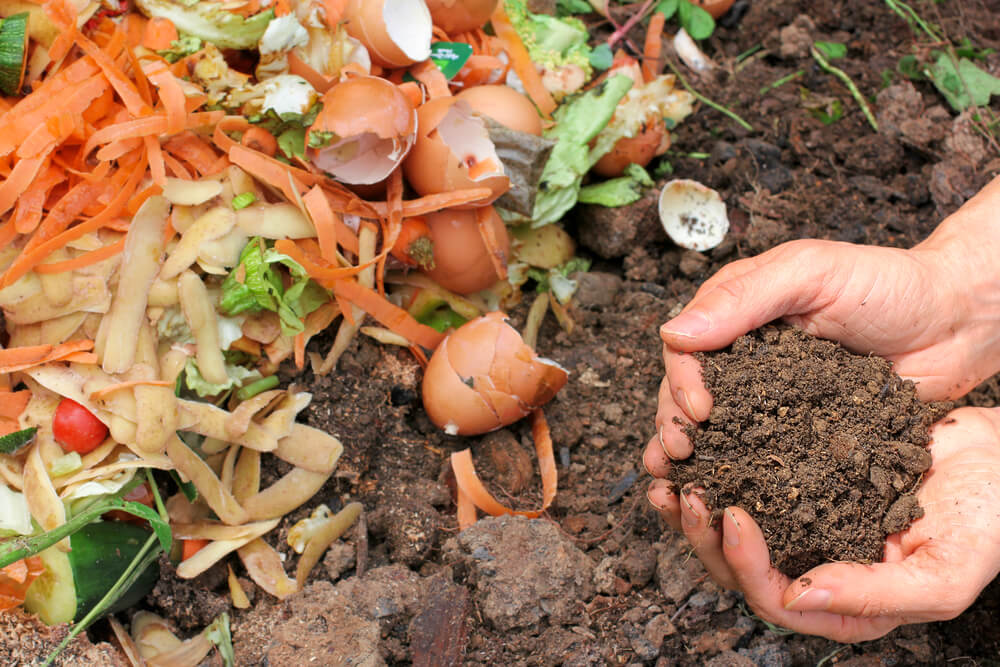
Composting is a brilliant way to keep unavoidable food scraps out of landfills and return nutrients to the earth.
But here’s the thing…The best way to reduce food waste is to eat the food you buy.
Love Food Hate Waste NZ is here to help you prevent good food from becoming waste in the first place – through smart storage, simple meal planning, and easy ways to use up the food you already have!
And when scraps are unavoidable? Composting is the next best step.
What is composting?
WHAT IS COMPOSTING?
Composting is a natural process where food scraps and garden waste break down into rich, healthy soil, supporting biodiversity, and keeping nutrients cycling for future generations.
Instead of sending scraps to landfill (where they produce methane – a powerful greenhouse gas), composting turns them into something useful.
It’s nature’s way of recycling.
What can you compost?
If it’s not edible anymore, composting is a great next step. Here are some compost-friendly scraps:
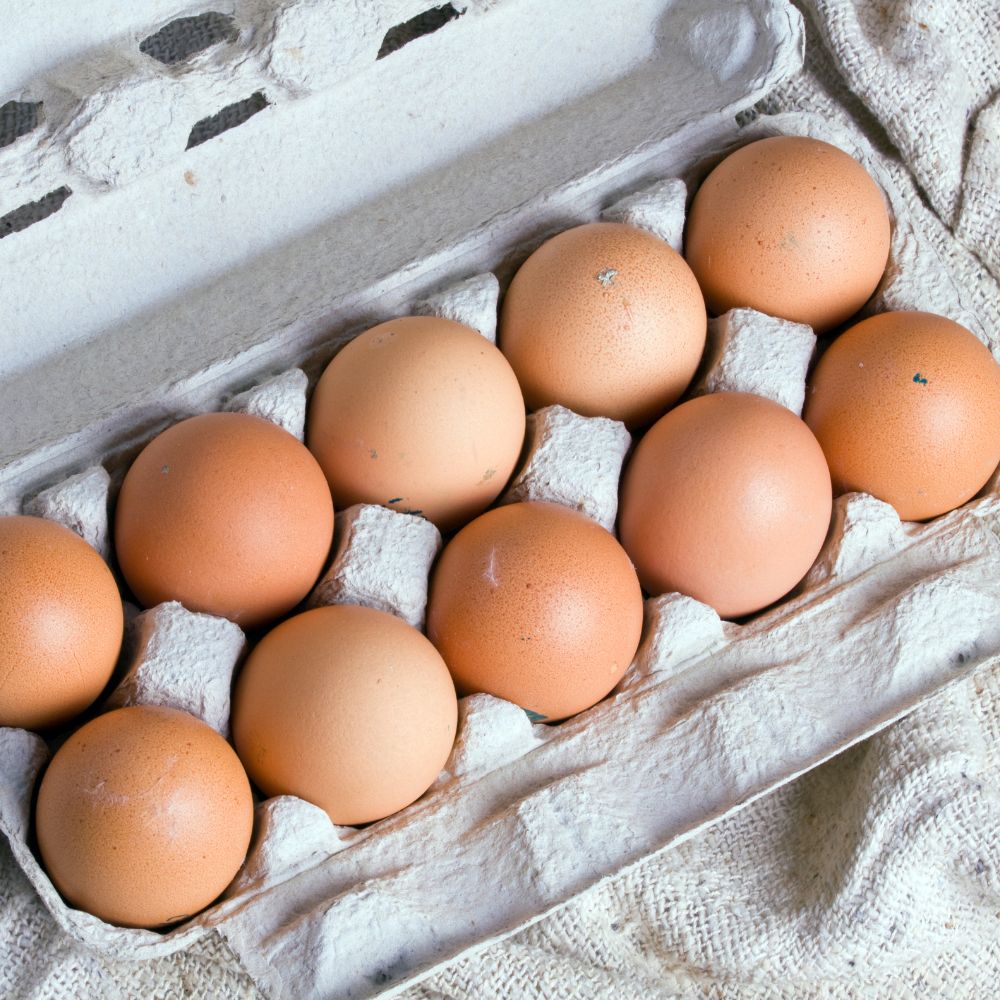
Eggshells
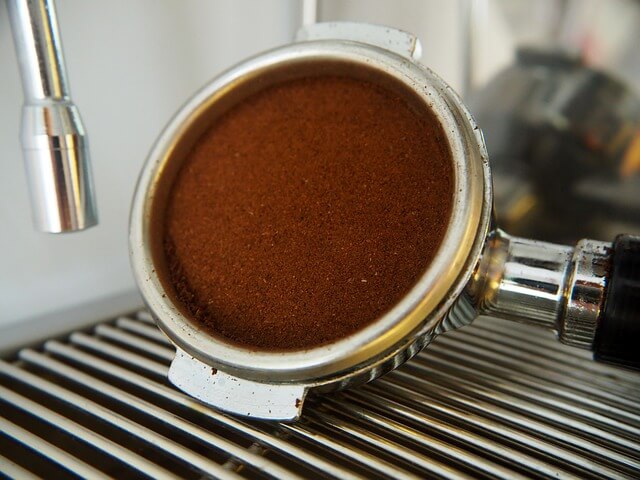
Coffee grounds & tea leaves
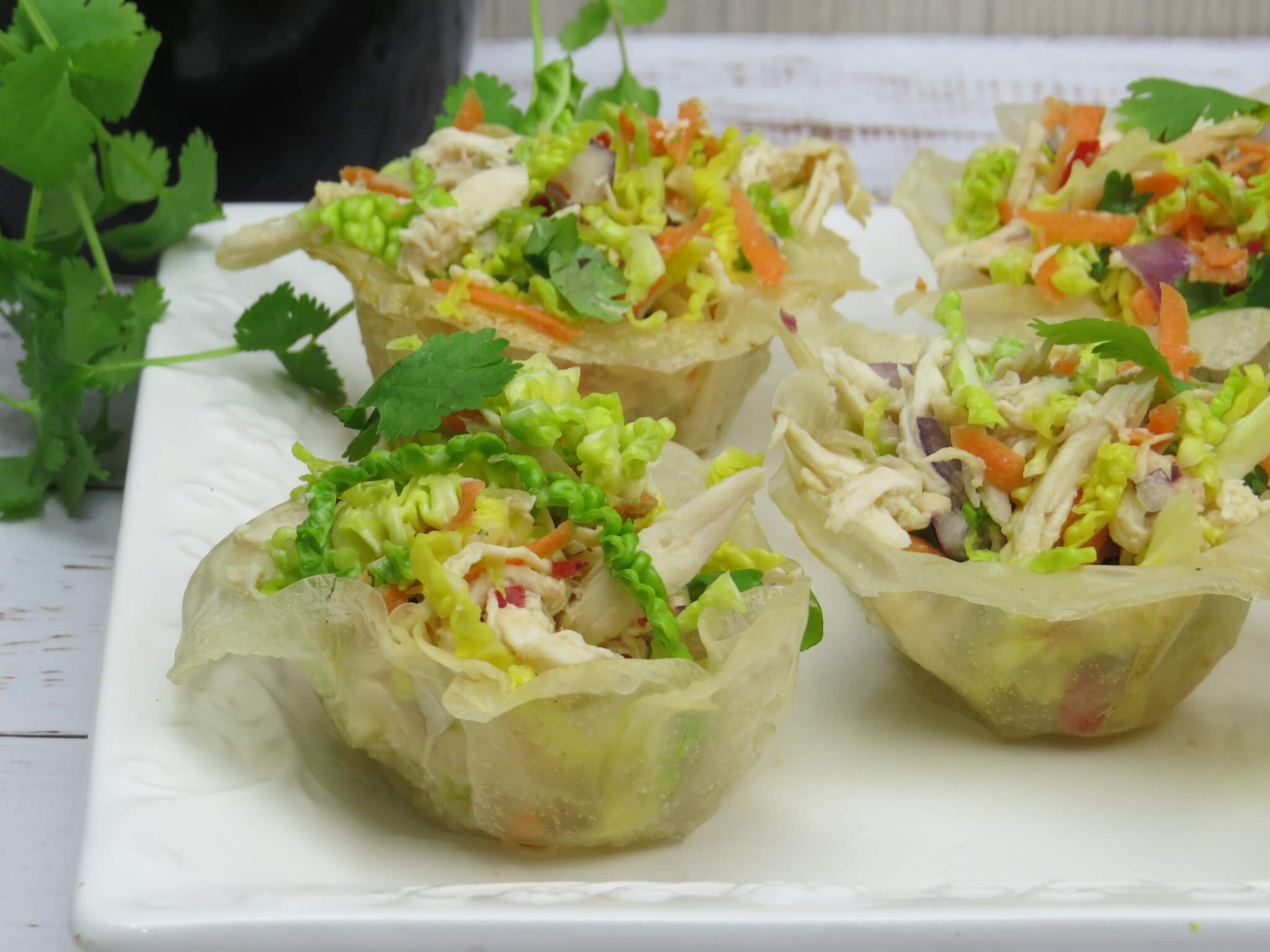
Food soiled paper towels or napkins
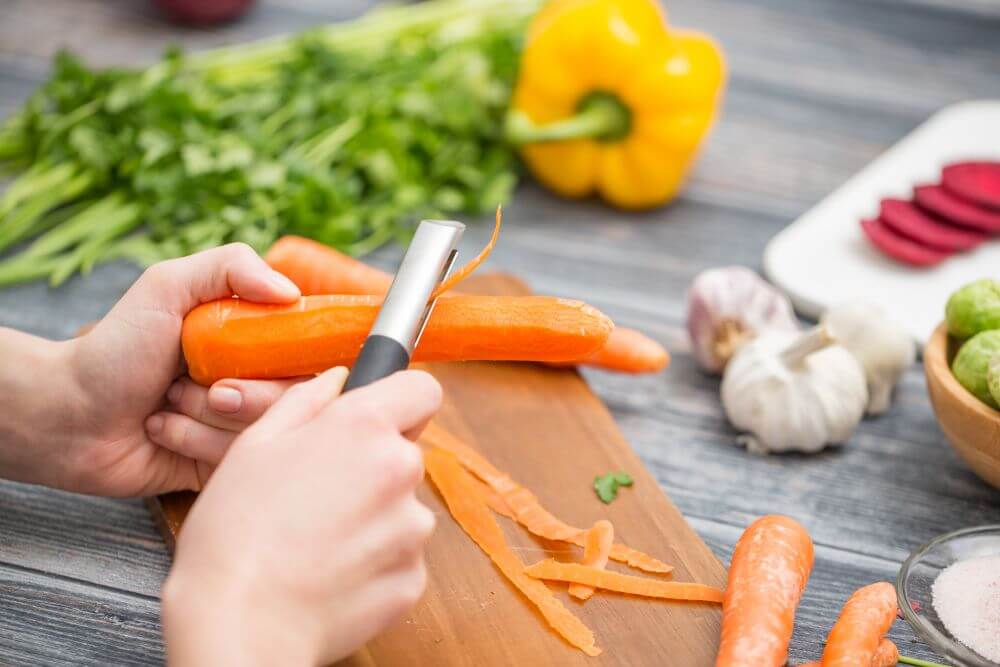
Fruit & vegetable peels

Garden leaves & grass clippings
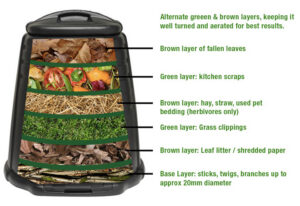
A good compost bin needs a mix of:
- Greens (food scraps, fresh garden waste)
- Browns (dry leaves, cardboard, paper)
Together they help the compost break down properly.
What should not go into your compost?
Some foods don’t break down well at home or can attract pests. Avoid composting:
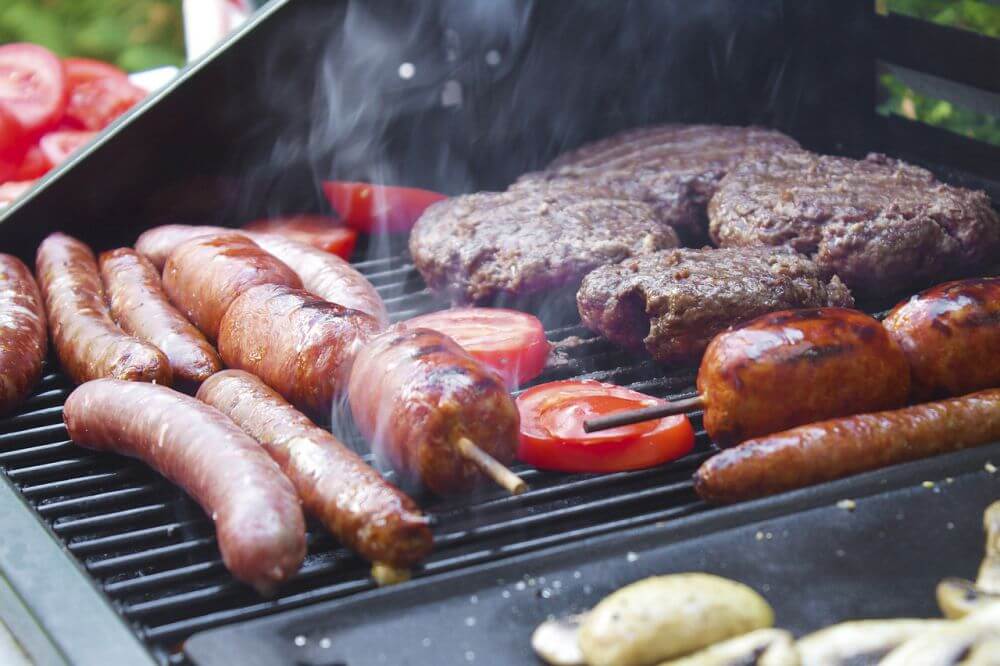
Meat, fish & bones

Dairy products

Pet waste
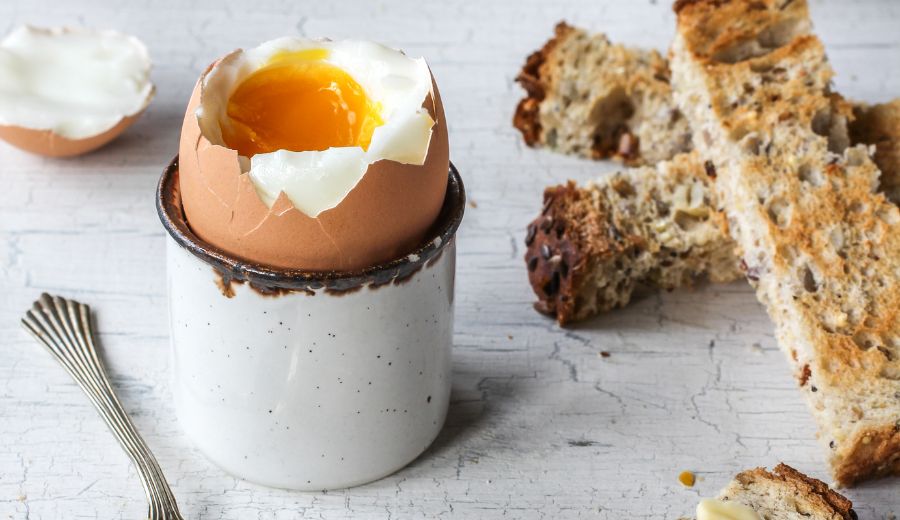
Whole eggs
If your council offers a food scraps collection, some of these may be accepted – check your local guidelines.
Step-by-step-guide to composting:
- Choose a sunny spot in your garden.
- Place the compost bin directly on top of the ground so that soil organisms can get into your compost bin and help break down your compost.
- Then place sticks and twigs in the bin. This allows the air to circulate.
- Begin adding your compost to the bin with a ratio of 40% food scraps to 60% brown matter. You want to add a layer of browns first, followed by a layer of greens and finish with a top layer of browns. Tip: keep a bag of leaves next to your compost bin so as you add in your food waste you always have some browns handy.
Tip: If you chop your food scraps and garden cuttings into smaller pieces, it will break down faster and have less of a smell. Do not add any sticks that are thicker than your little finger, as sticks that are larger than that will not break down fast enough. Larger sticks can always be added to the base of your compost. - If you want your compost to break down more quickly then turn it once a week to allow for air flow through all of the compost. Use a shovel to mix the layers up.
- Once the compost bin is full, do not add any more scraps to the bin, but continue to stir it regularly. Tip: if you are not able to stir it regularly, adding in seaweed, horse manure, sheep manure or comfrey leaves will also help your compost break down faster and add valuable nutrients.
- Your compost is ready to be added to the garden when the material at the bottom of the compost bin is dark and crumbly and you can no longer identify food scraps or brown matter. This should take about 6 to 8 months.
- To harvest the compost, take the bin off the pile and place it in another part of your garden. Shovel the top two-thirds of your compost back into the bin and then harvest the bottom third. Alternatively, some store-bought compost bins have flaps that open at the bottom of the bin, allowing you to harvest the compost without moving the bin.
- Add the harvested compost to your garden to boost the growth of your plants. Dig it into your vegetable garden or add to your garden beds.
Other things you need to know:
- Compost should be moist like a sponge, so if it appears to be drying out, add some water to it. Covering the compost is the best way to keep the compost moist.
- It is also important to allow air to reach your compost; this will keep it from smelling. The best way to keep air in your compost is to stir it with a pitchfork or shovel, but be careful not to mix the uncomposted material in with the finished compost, that will slow down the decomposition rate and you won’t be able to take out your finished compost on time.
- Always wear a mask and gloves when stirring compost or adding it to the garden to minimise the risk of illness.
Want to learn more about composting? Head over to the Compost Collective
Common compost mistakes
Add more “browns” like dry leaves or shredded paper.
Mix it up and add cardboard.
Cover fresh scraps with browns each time.
Chop scraps smaller and turn the pile.
Want to stop food waste before it starts?
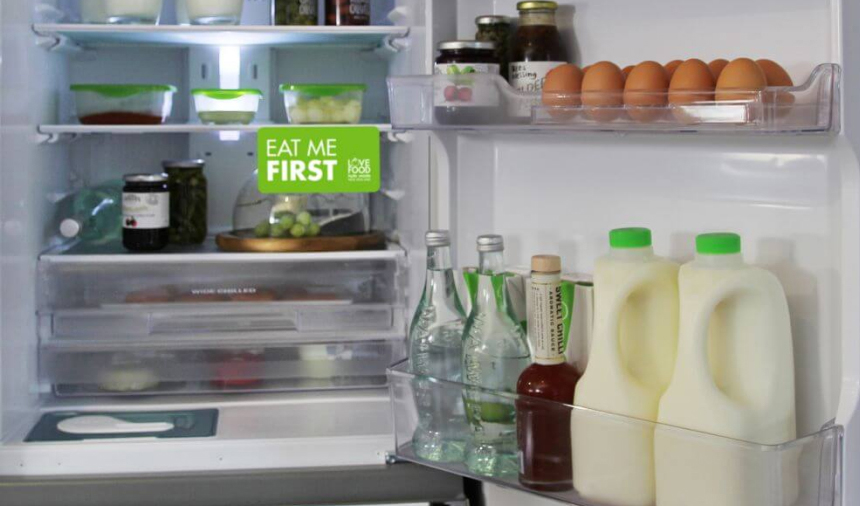
Try an Eat Me First Shelf

Take the Beat The Bin Challenge