
Explore ways to reduce waste and save money
Plan
Portion
Eat with the seasons
Maximising your fridge and freezer
Store smart
A-Z Storage guide
Know your dates
Preserve
Love your leftovers
Making the most of what you’ve got
Don’t just eat it – compleat it!
Beyond the kitchen
Order Eat Me First stickers
Keep your fridge between about 2–5 °C, this slows the growth of harmful bacteria and helps food stay fresher longer. Freezers should sit at –18 ° to keep food safely frozen and preserve quality for months. Use a fridge/freezer thermometer to check regularly. If you don’t have a fridge thermometer you can place a standard (non-digital) thermometer in a glass of water and leaving it in the fridge, read the temperature first thing the next day. Learn more about safe fridge temperatures.
Designate an easy-to-see shelf or section just for foods that need to be eaten soon, like leftovers or soon-to-expire items. Clear visibility and simple labelling make it much more likely the food will get eaten before it goes off, helping reduce waste and stretch your food budget. Order your free Eat Me First sticker.
Where you store food in your fridge really matters. Keep ready-to-eat foods like leftovers and cooked meals on the top shelves so they’re easy to see and grab. Dairy and everyday items work well in the middle, while raw meat, poultry and seafood should always go on the bottom shelf in sealed containers to stop any drips contaminating other food. Ensure cool air circulates freely by not overpacking your fridge or pushing food against the walls. Download our free ‘Fridge Storage Guide'.
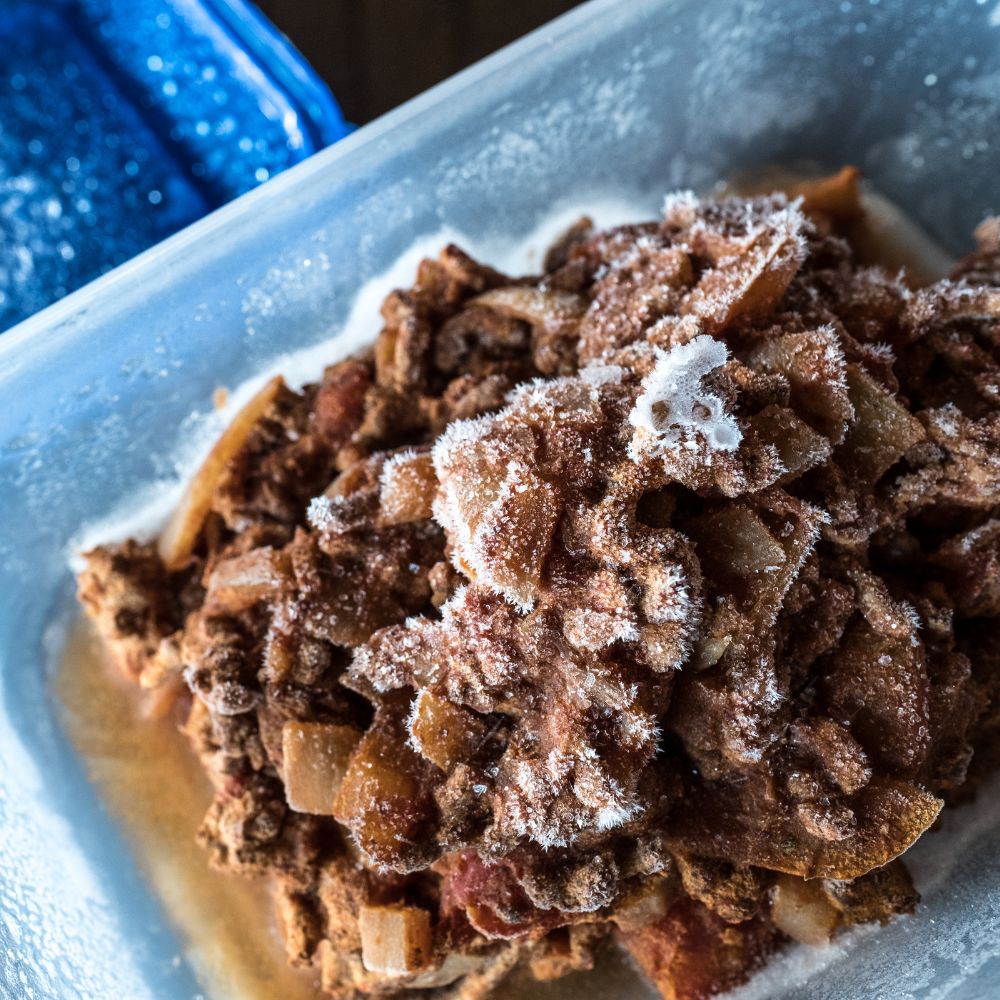
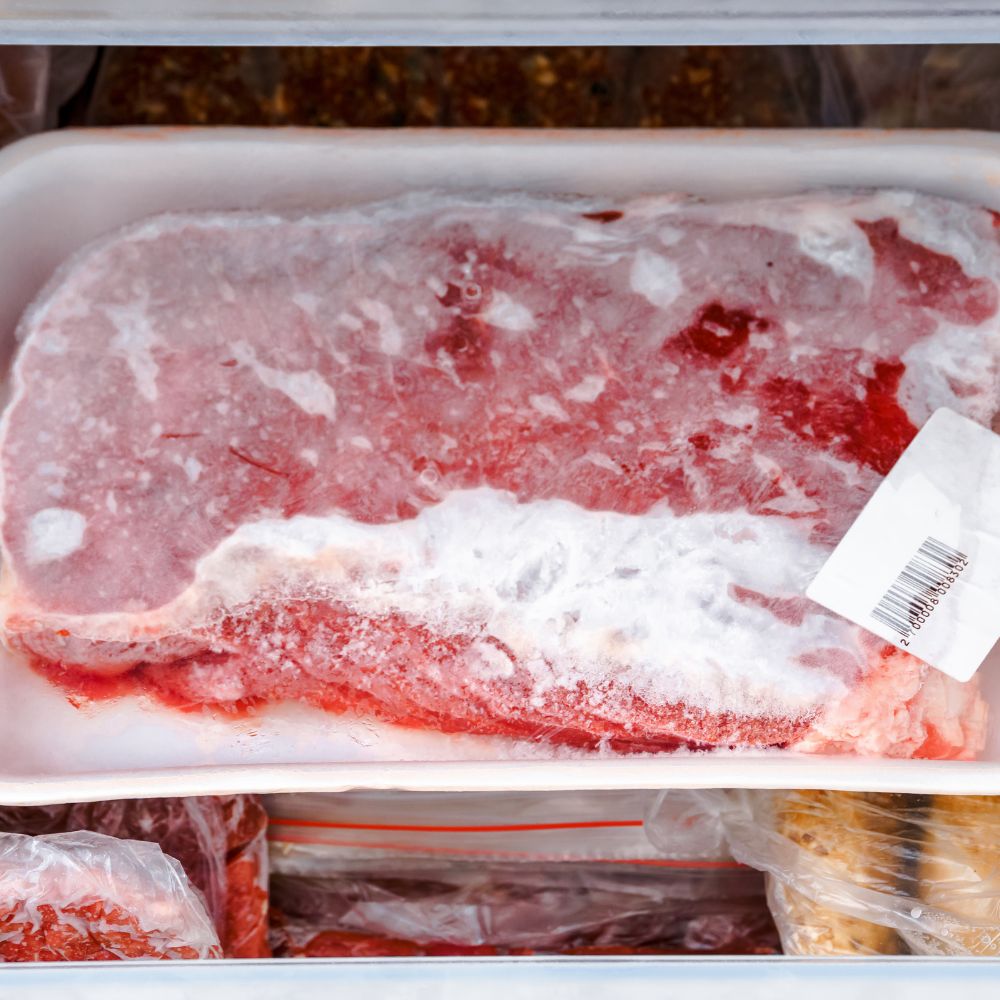
Think of your freezer as your food’s pause button, keeping food fresh for longer and giving you more time to enjoy it. You might be surprised by how much you can freeze! Got bread and bakery items that’s going stale, too much tomato paste, leftovers you won’t eat in time, or meat and seafood approaching its use-by date? Most foods freeze well and can be defrosted easily when needed – saving your food and your wallet.
Ice cube trays are not just for water, it’s perfect for freezing things like sauces, dips, herbs, milks, juices, and even puréed fruit and veg. Next time you’ve got a little leftover pesto, coconut milk, tomato paste, lemon juice, or gravy pour it into an ice tray and freeze. Transfer the frozen cubes into a labelled resealable freezer bag and use the cubes whenever you need it for flavour on demand. Freezing in small amounts means you’ve always got ready-to-use portions on hand and you only thaw what you need, helping you waste less and cook smarter.
You might be surprised what foods can be frozen. From your favourite festive foods to fruits, veggies and more, scroll through for inspiration and download our freezer guide here.
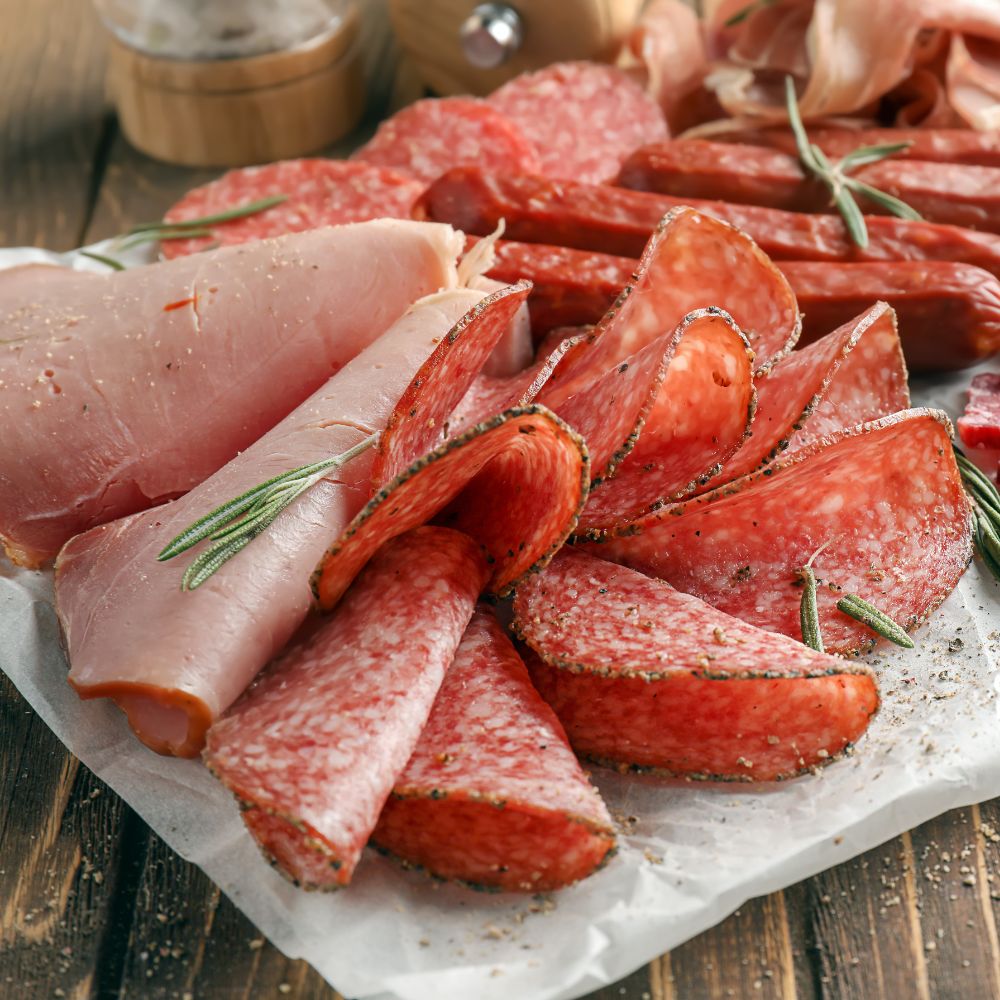
Wrap tightly and place in a resealable freezer bag. Perfect to use as pizza toppings in a fridge harvest meal!
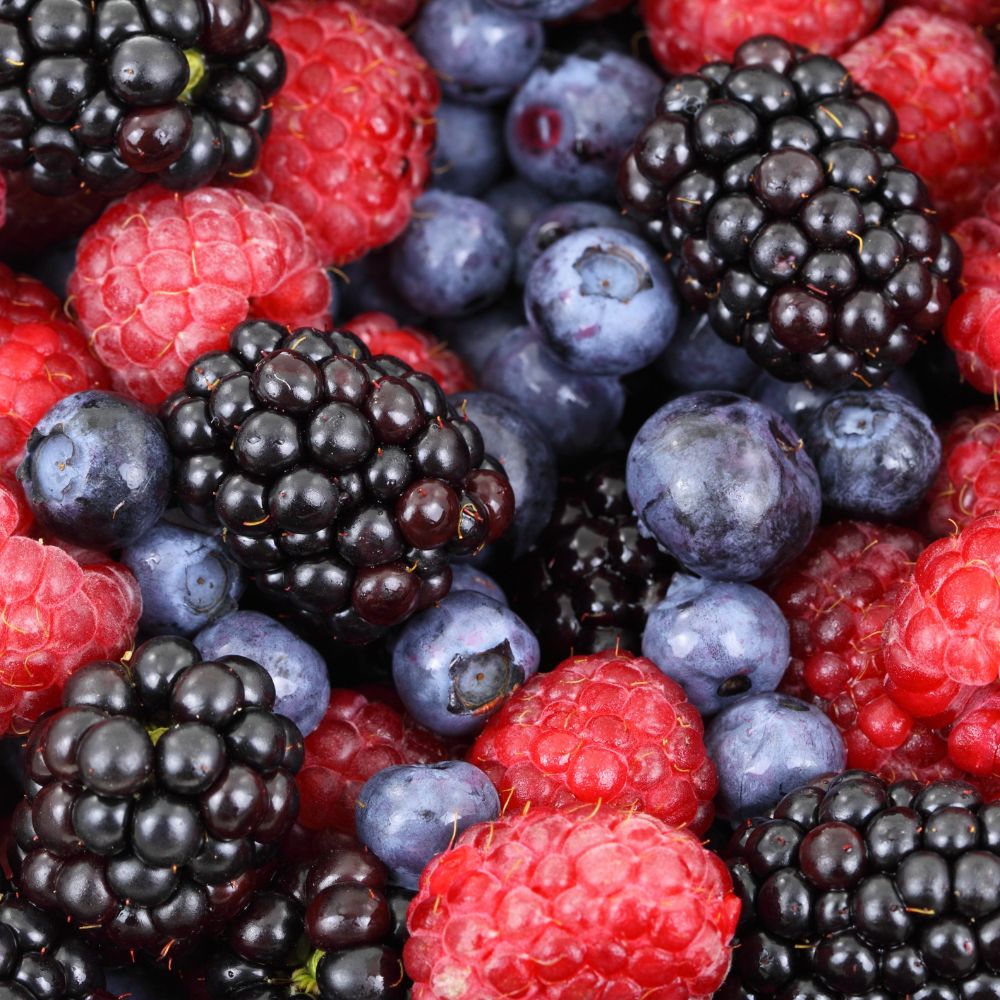
Keep in a resealable freezer bag or sealed container. To make sure berries are safe to eat, bring to a boil or cook at over 85°C for at least 1 minute.
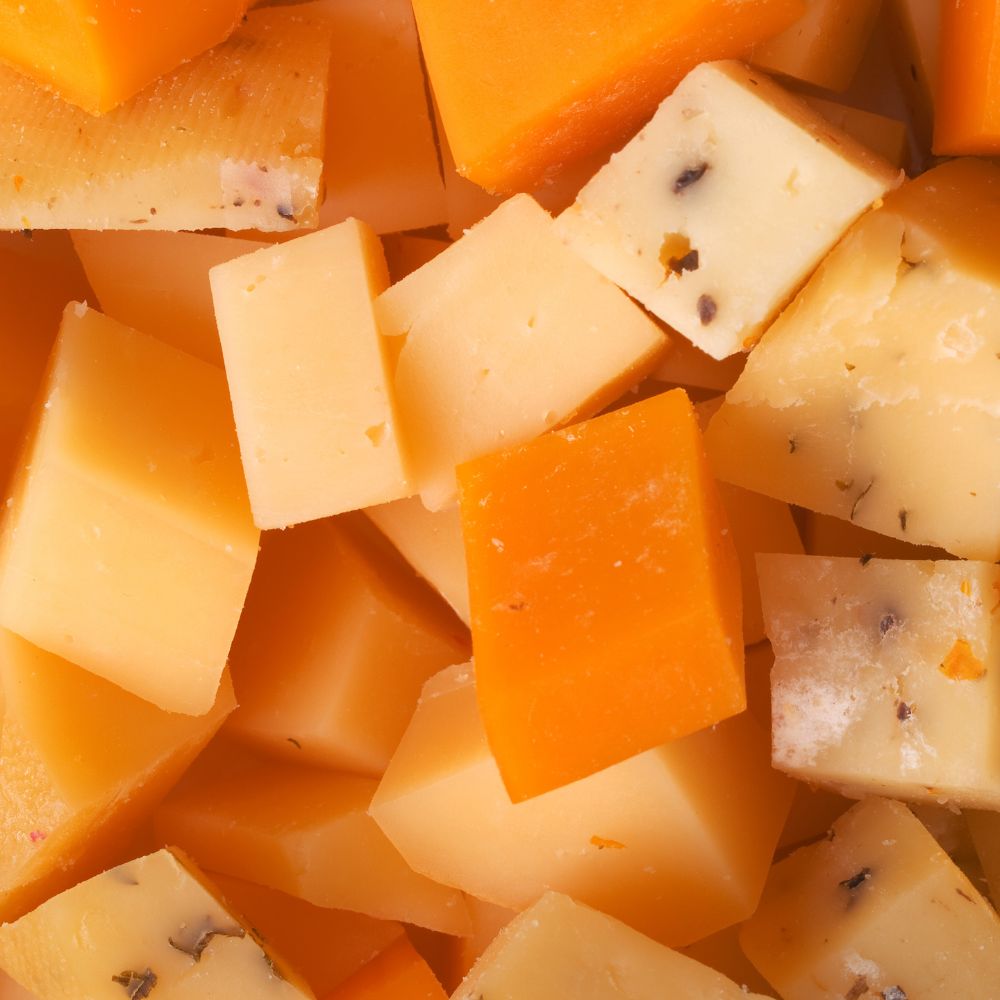
Hard and semi-hard cheeses like cheddar and mozzarella can be frozen. Grate them first for easy use in future recipes.
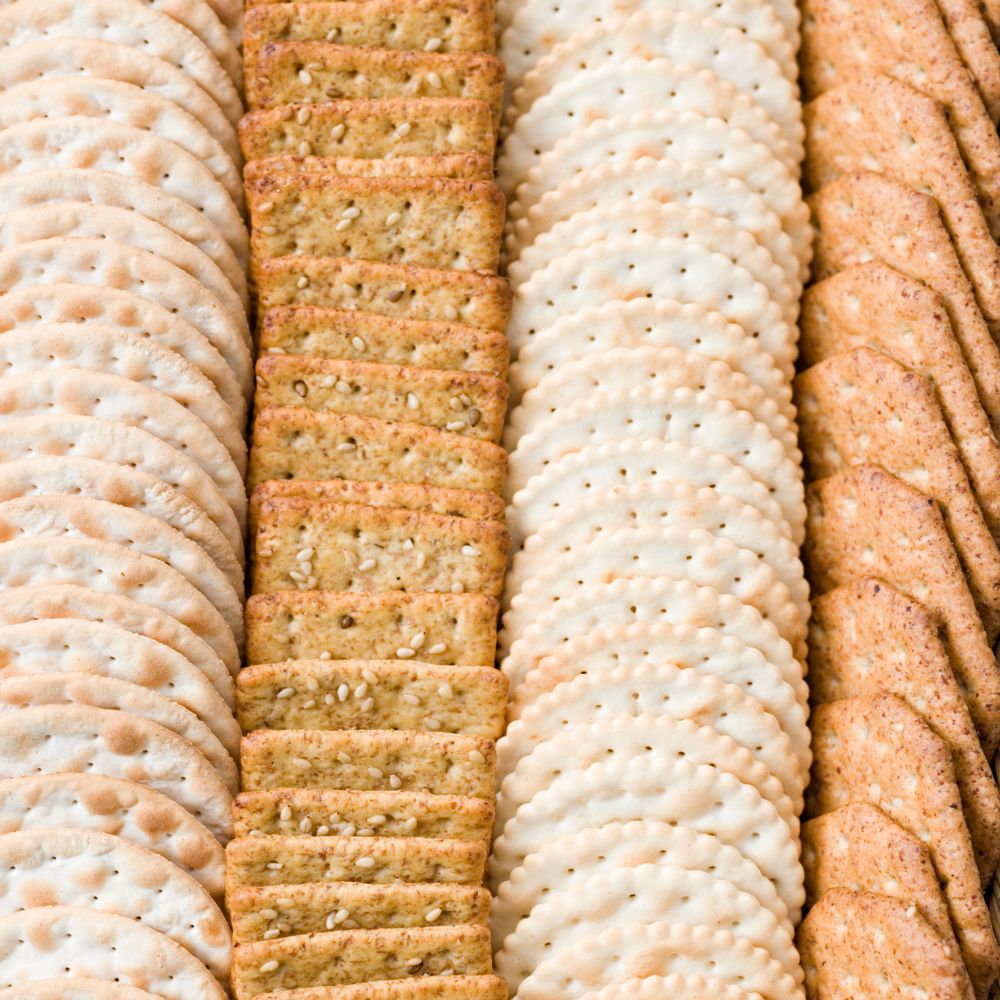
Store in a freezer bag or sealed container. Take out what you need and enjoy as a snack or crush and use as a crumb coating like breadcrumbs.
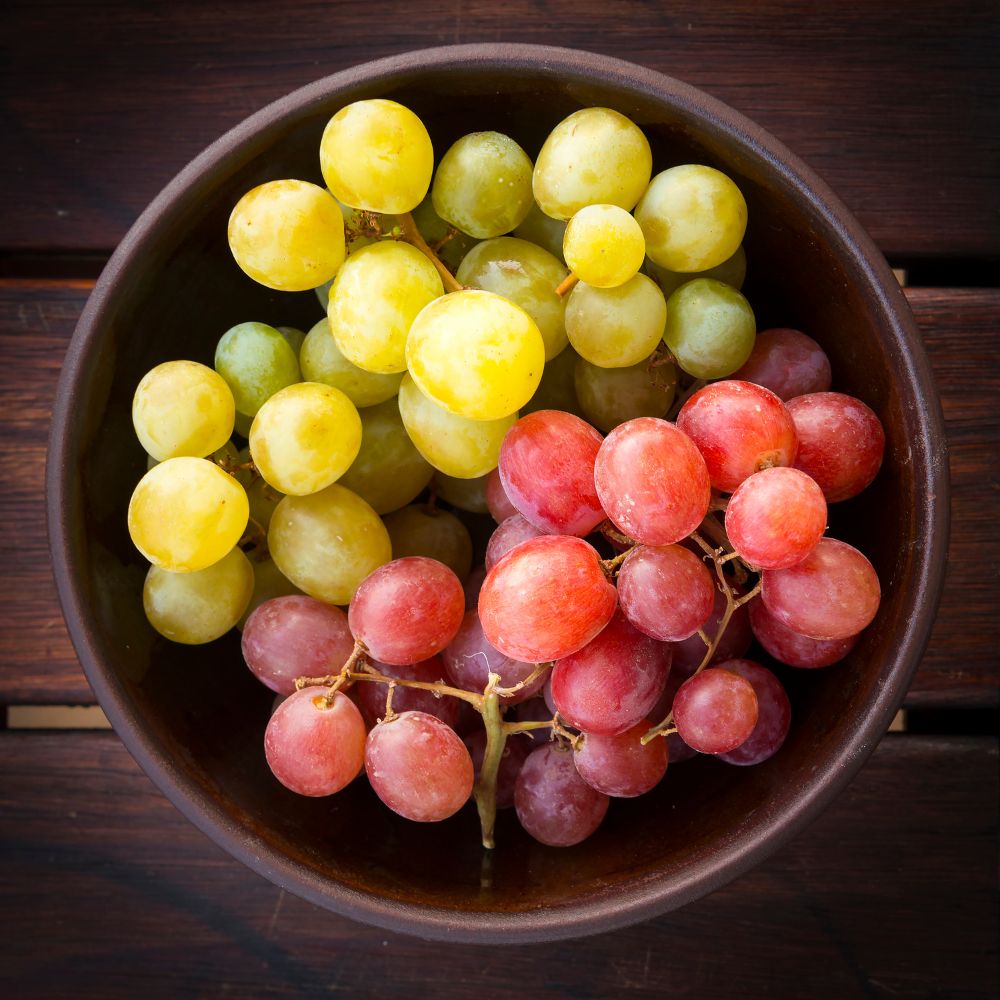
Frozen grapes make a refreshing snack and are perfect for cooling down summer drinks.
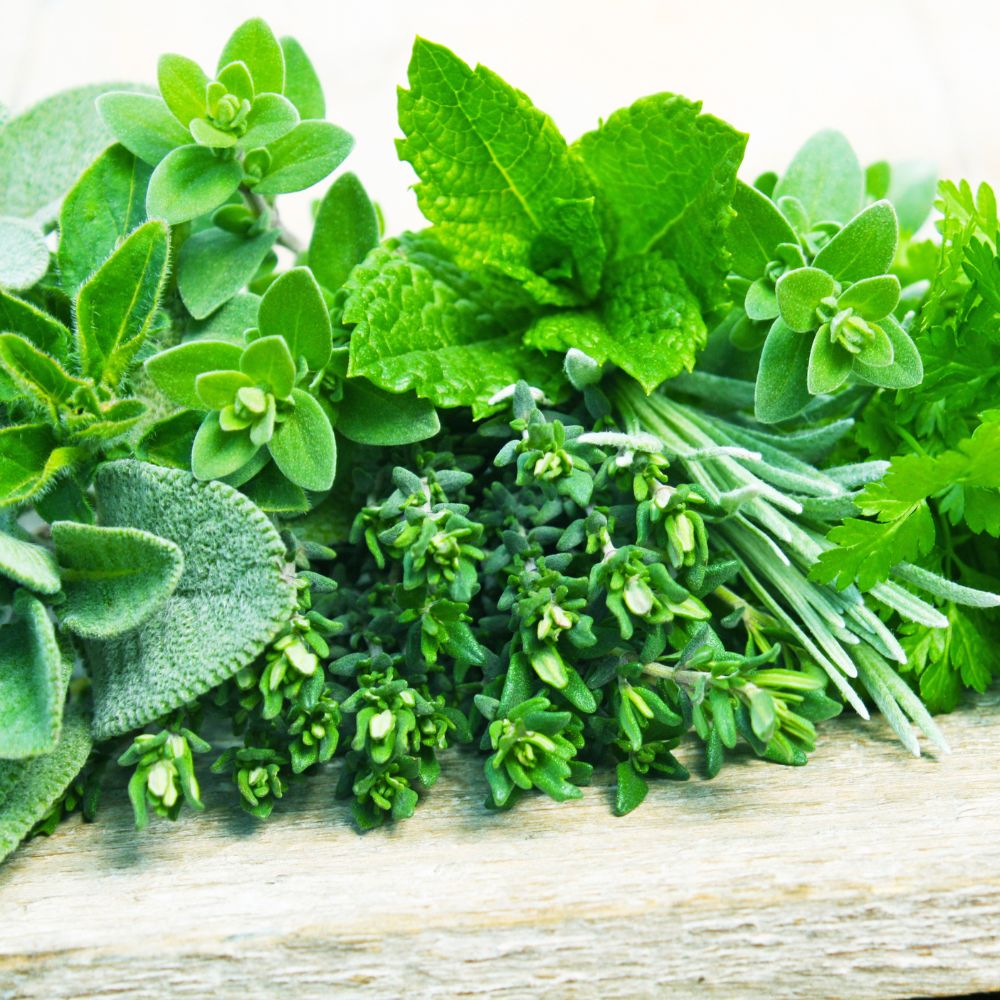
Hardier herbs like rosemary, dill, thyme, bay or sage can be frozen on the stem. To freeze parsley, cilantro, and basil chop them and place in ice cube trays with a bit of water or olive oil.
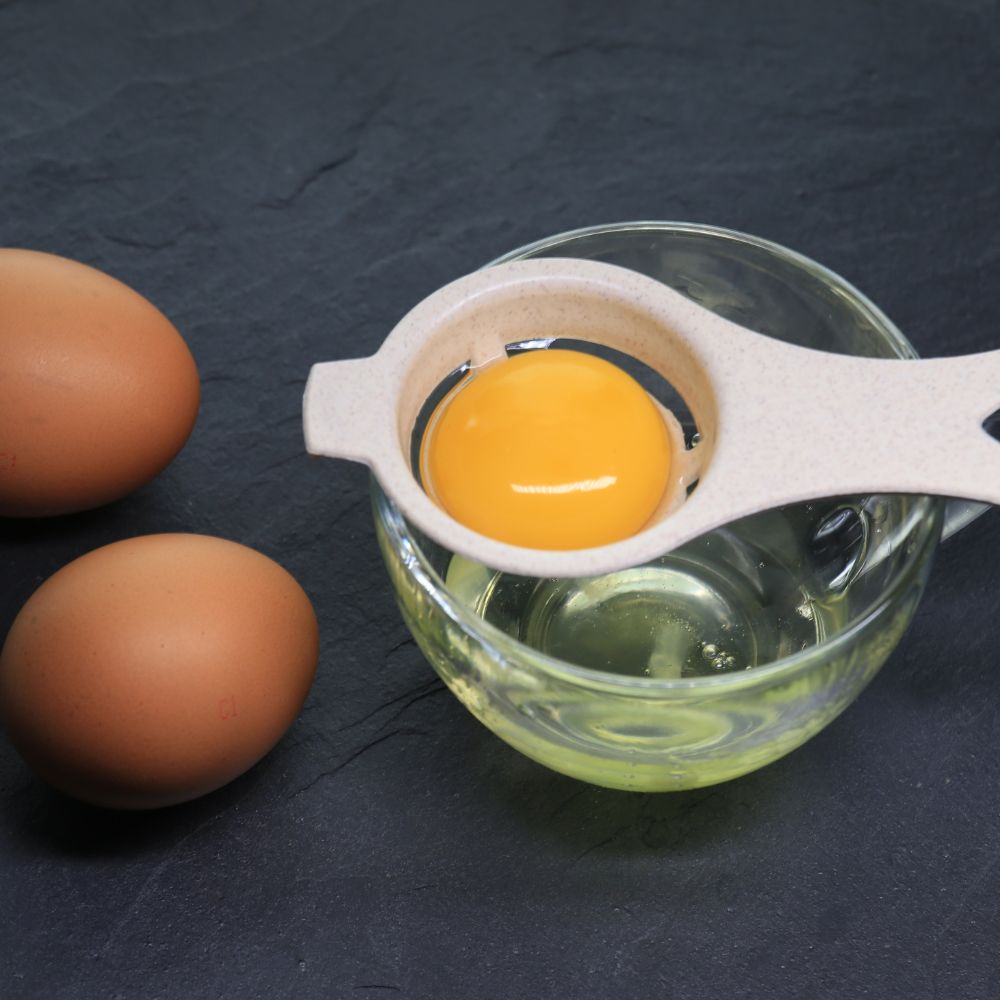
Eggs can be frozen, but not in their shells. Crack them into a container, lightly whisk, and freeze. You can also freeze whites and yolks separately — add a pinch of salt or sugar to yolks to stop them going grainy.
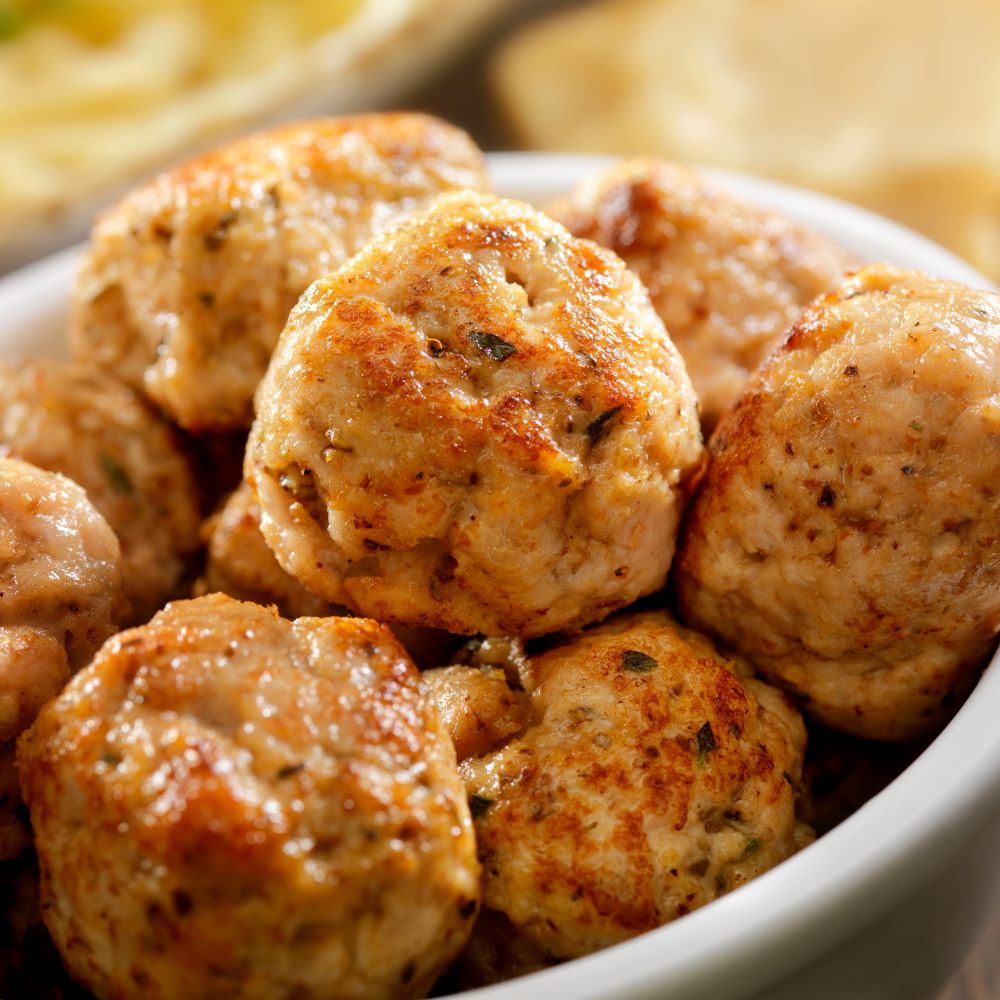
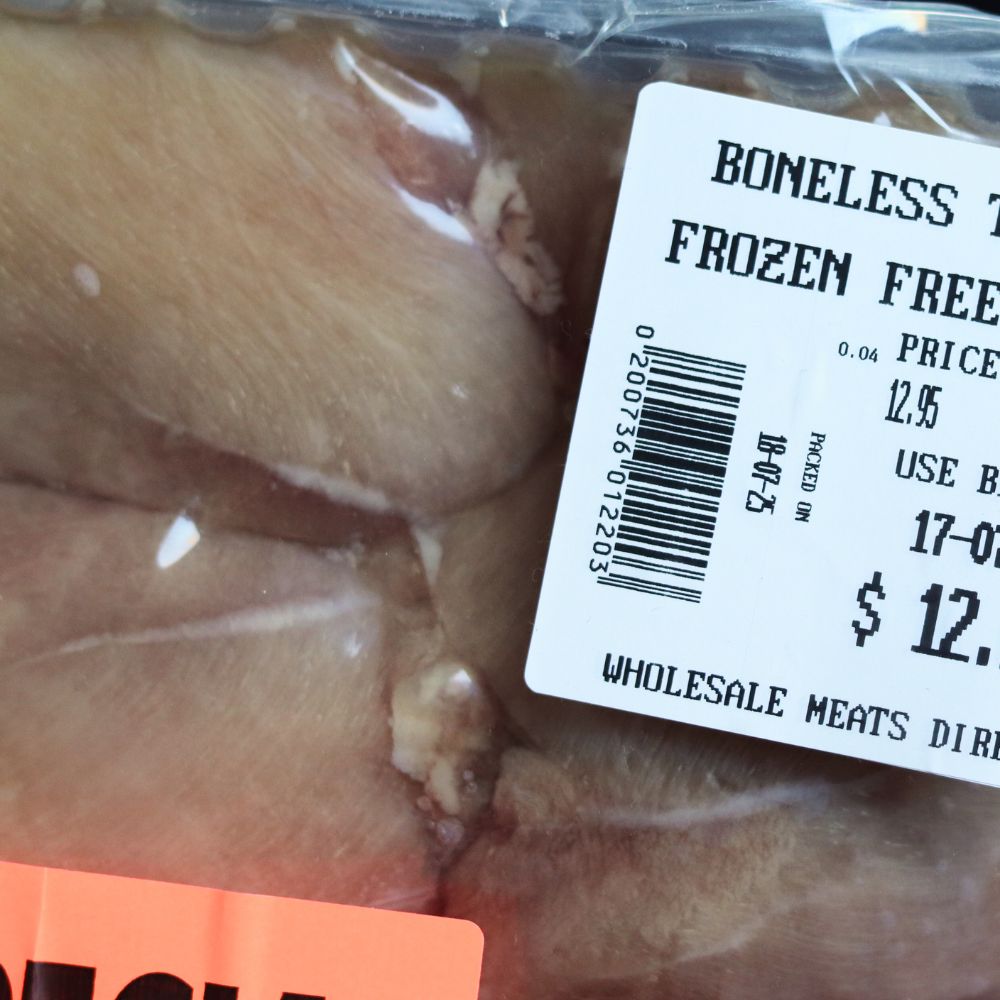
Cooked chicken, beef, lamb, mince and sausages freeze well once cooled. Store in airtight containers or freezer bags, label with the date, and freeze in meal-sized portions for easy future dinners.
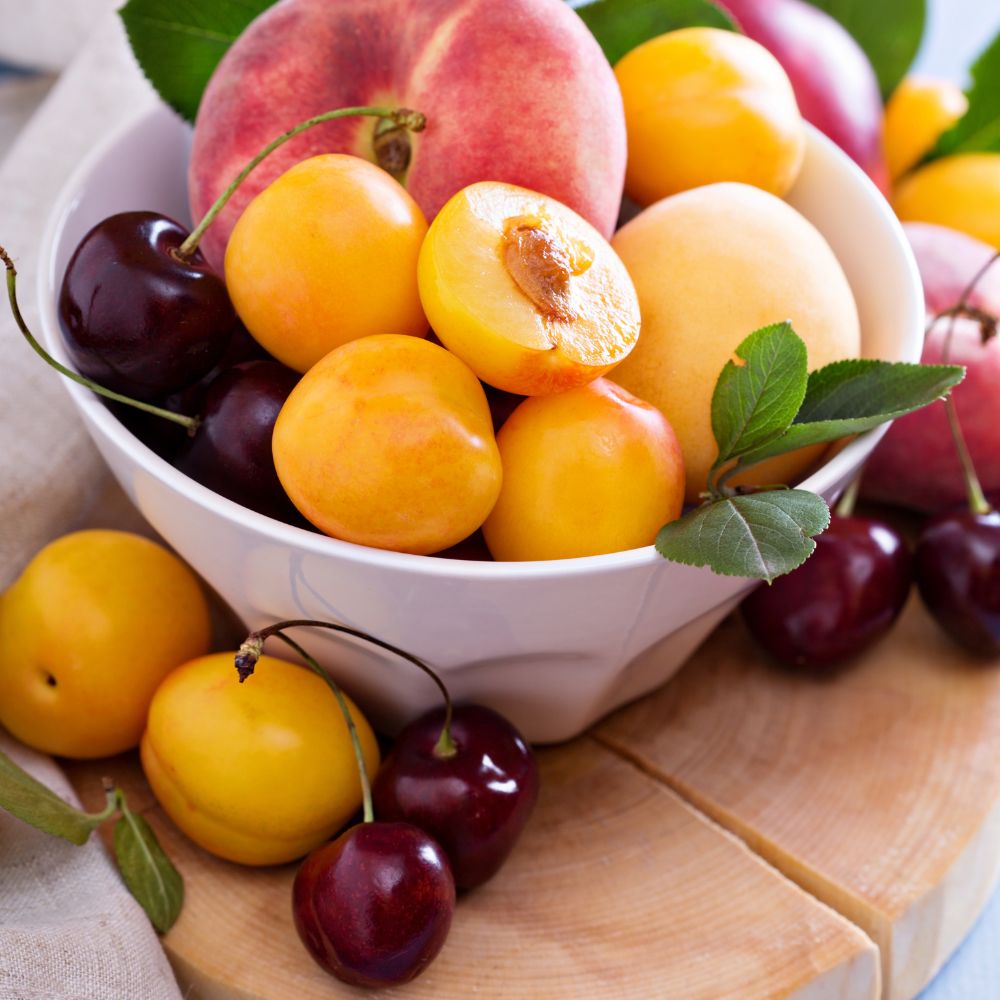
Slice, remove stones, and freeze in a single layer before transferring to a bag or container. Great for baking, smoothies, compotes or porridge.

Loaves, rolls, muffins and slices all freeze beautifully. Freeze bread sliced so you can take out just what you need — no mould, no waste.
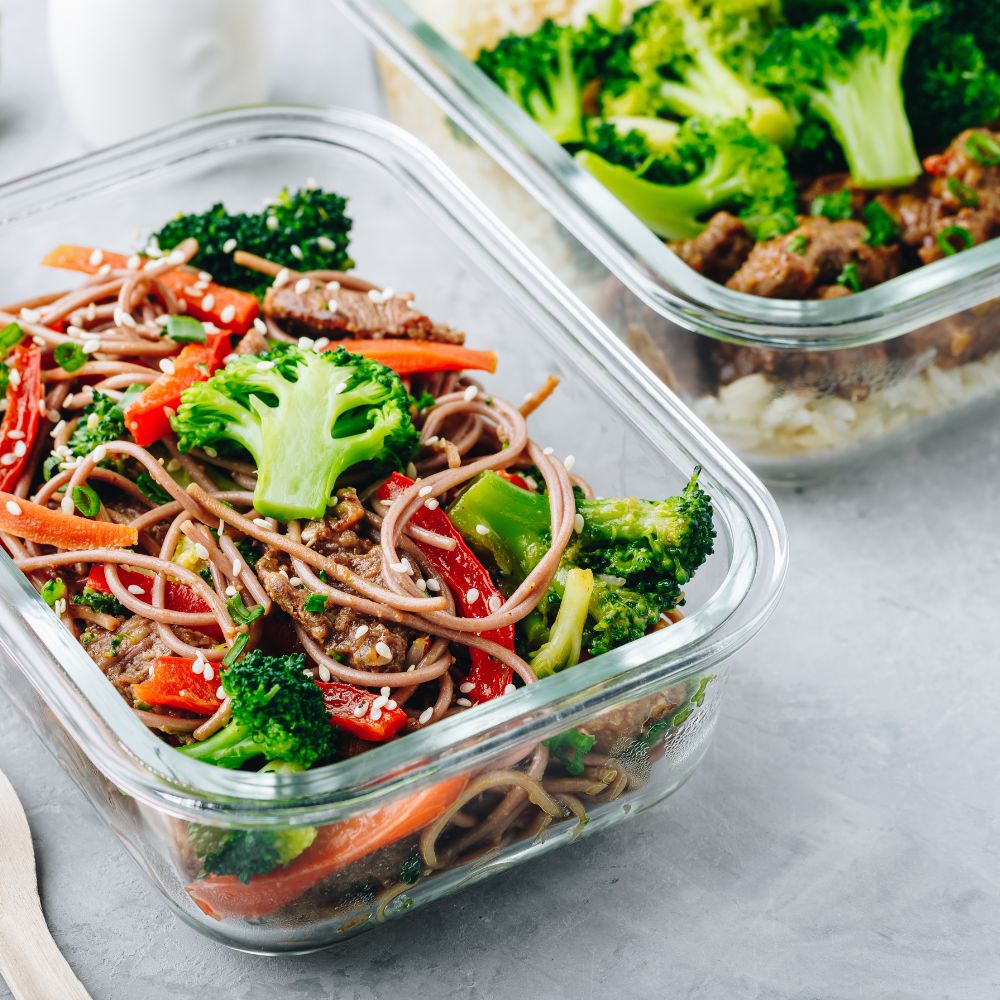
Soups, stews, curries, pasta sauces and casseroles freeze very well. Cool quickly, freeze within two hours, and label clearly so nothing becomes a mystery meal.
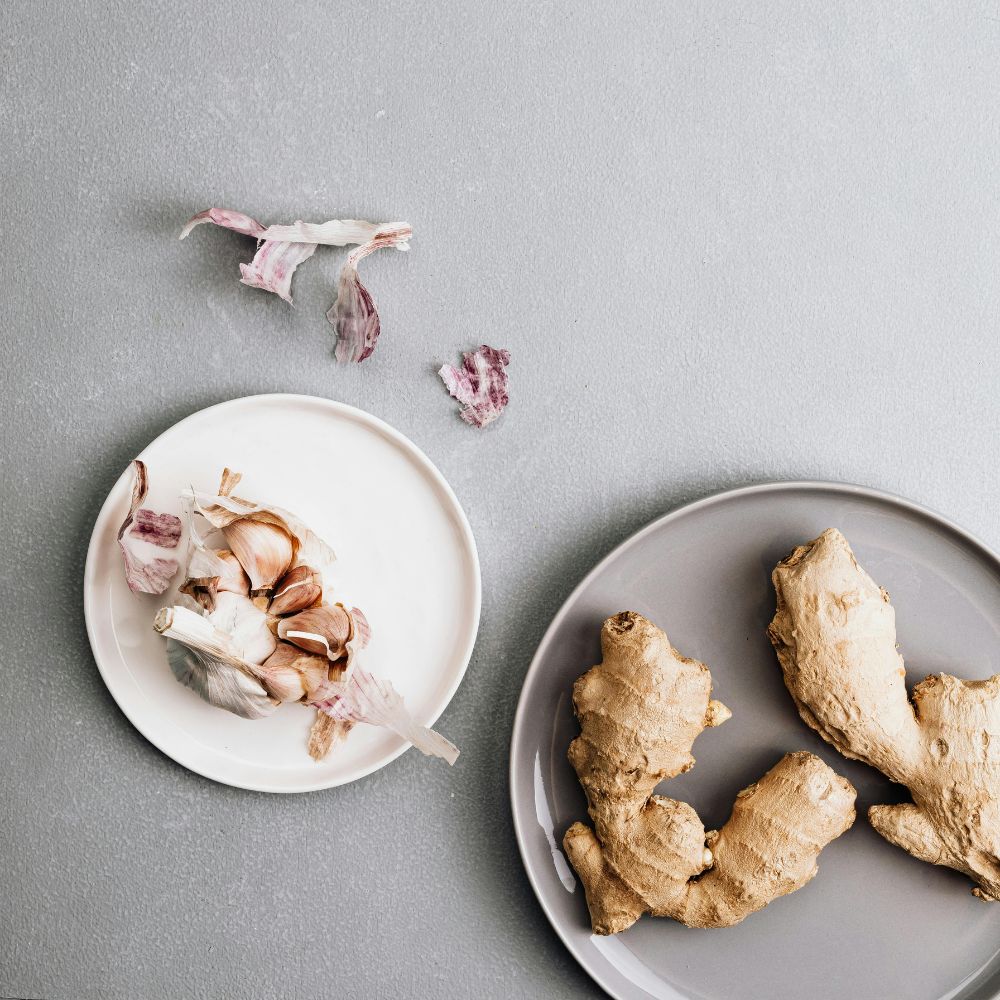
Freeze ginger in chunks, sliced or minced. Freeze garlic as individual cloves, or minced mixed with a small amount of water then placed in small ice cube trays or a resealable freezer bag.
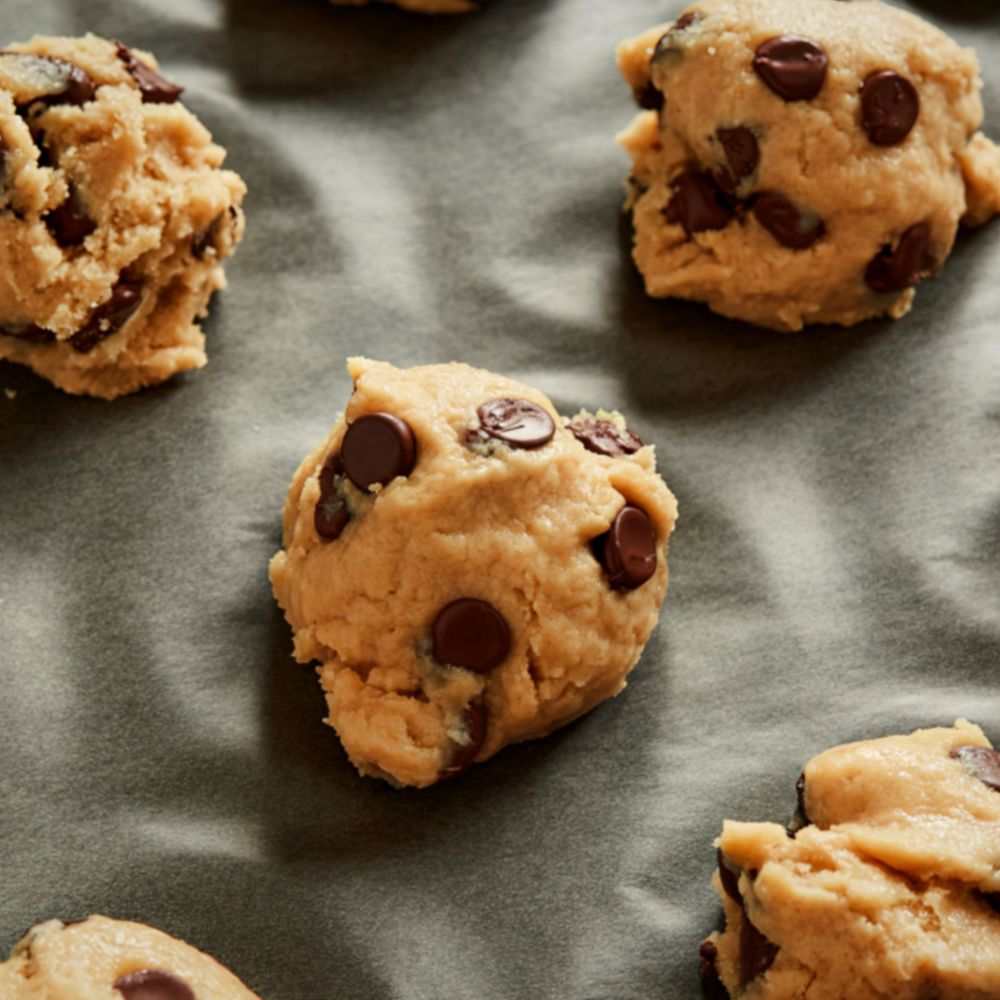
Have a sweet treat ready to be baked, freeze cookie dough balls on a tray in a single layer then they can be transferred into a resealable freezer bag.
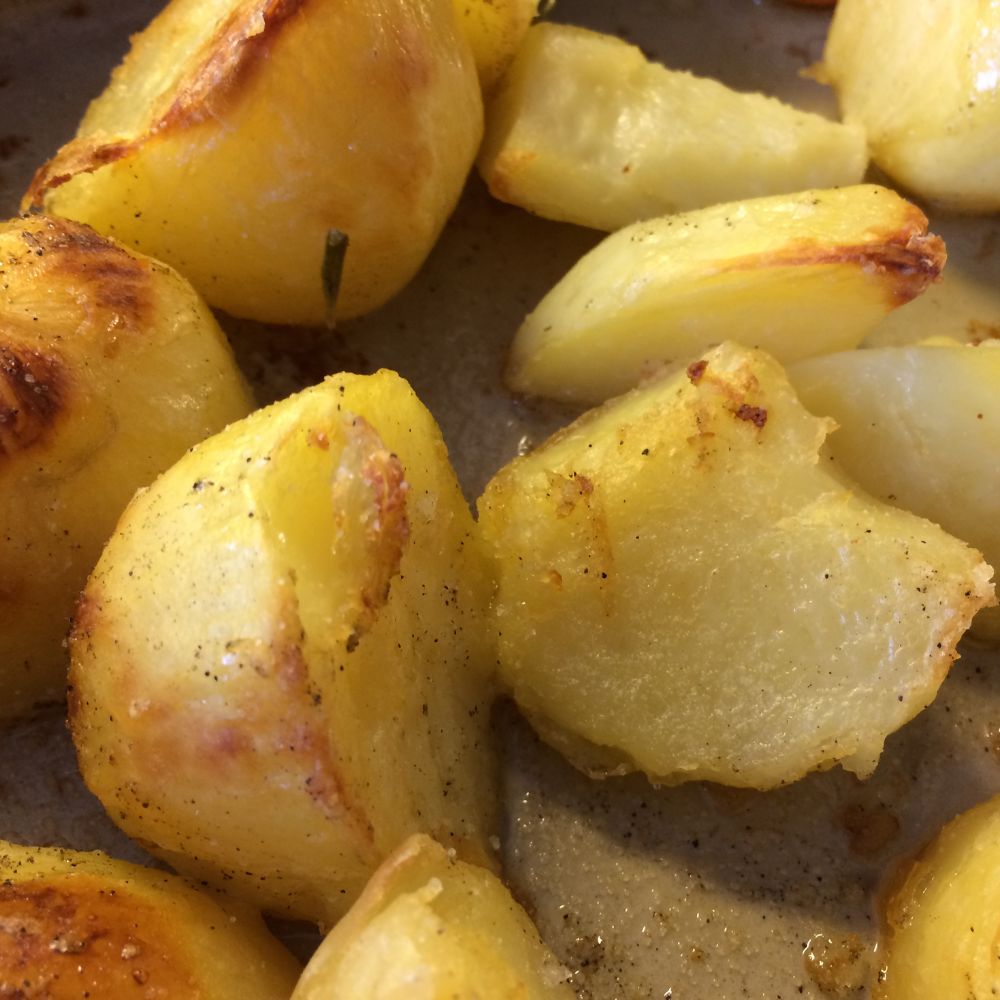
Whether they are roasted, boiled, mashed, cooked potatoes can be frozen and reheated or added to meals such as stews and soups. Frozen mashed potatoes make great topping for Shepherd's pie.
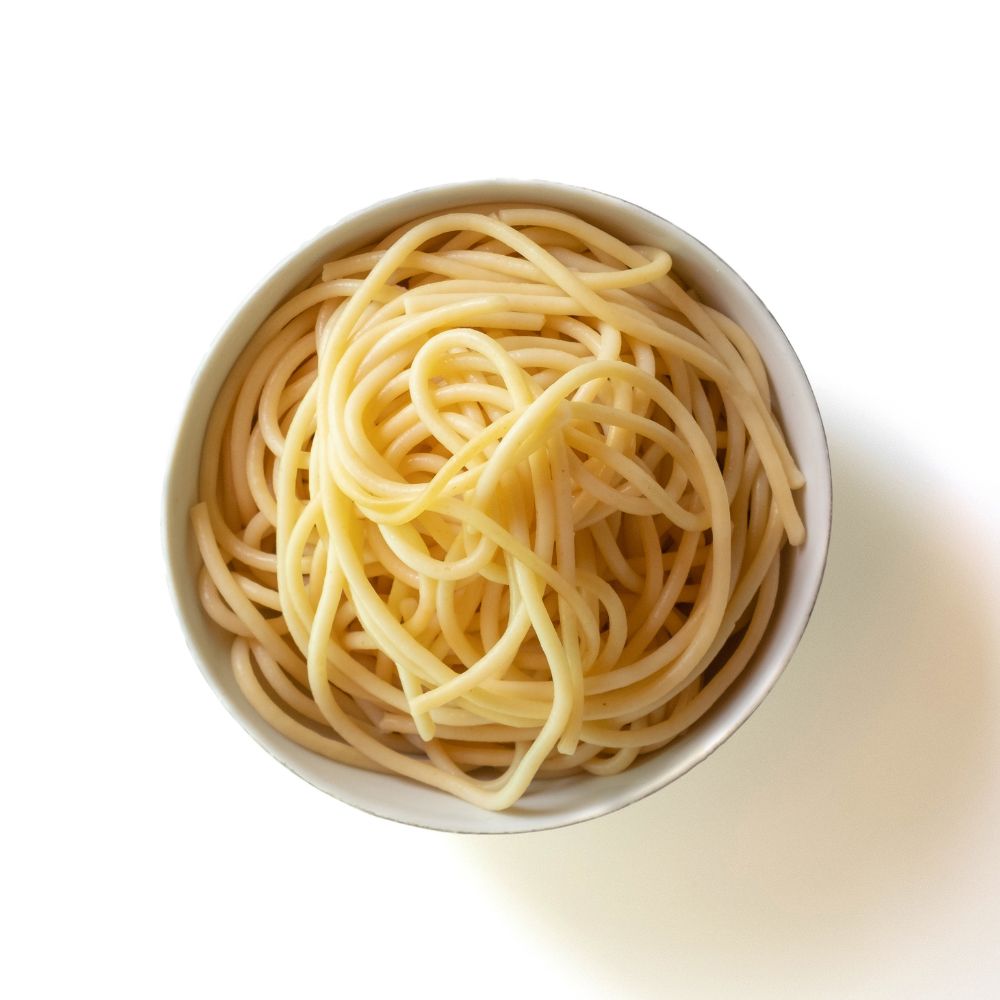
Freeze any leftover pasta to eat later on in a labelled airtight container. It's great as a future meal mixed with a pasta sauce or added to soups, like minestrone or chicken soup.
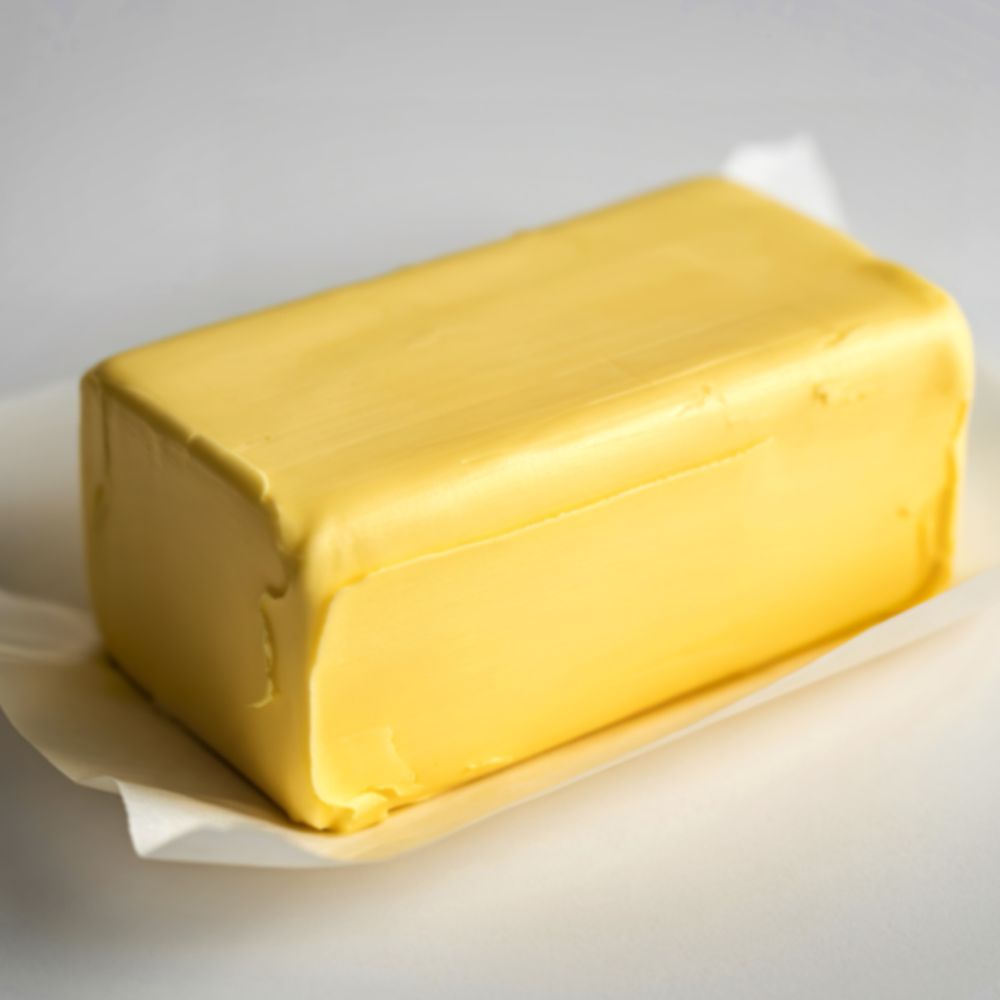
Freeze as slices, chunks, or whole blocks for up to six months. Make sure they are tightly sealed to ensure freshness.
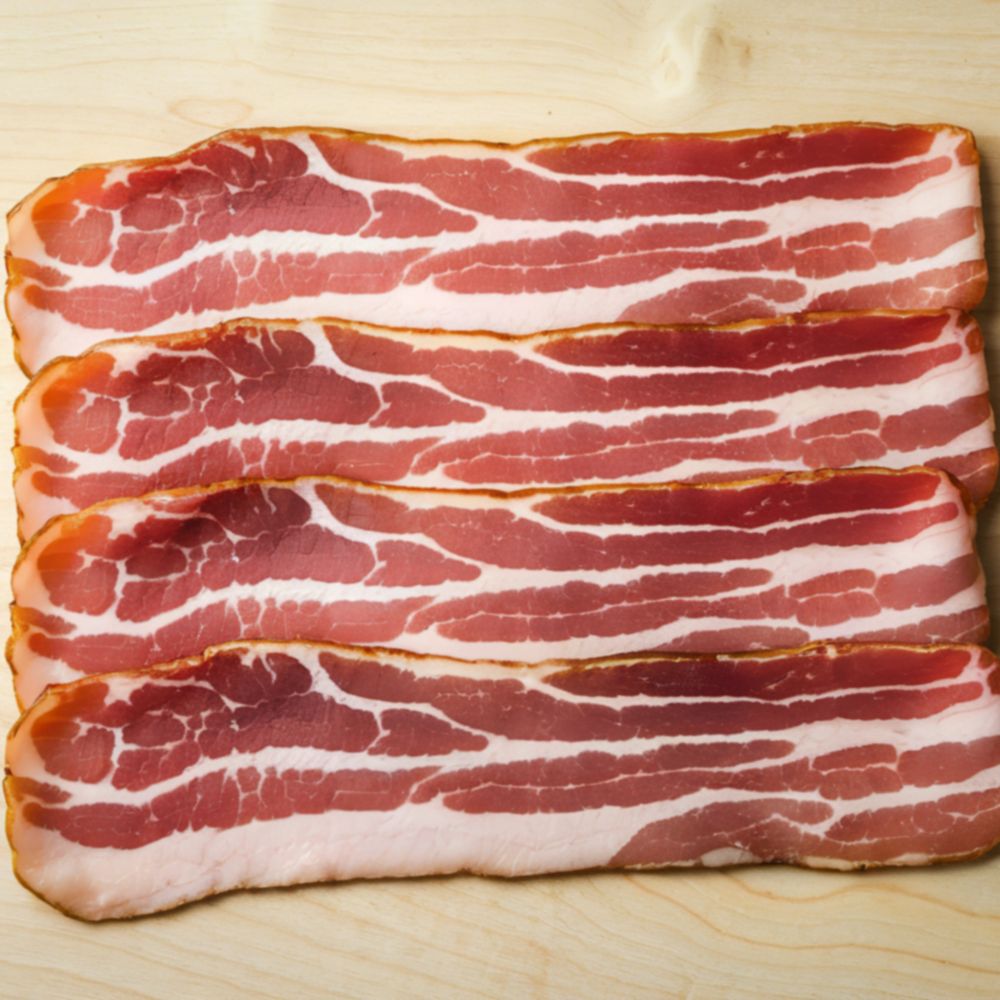
Roll up individual slices and freeze in a single layer on a tray before transferring into a labelled resealable freezer bag or airtight container.
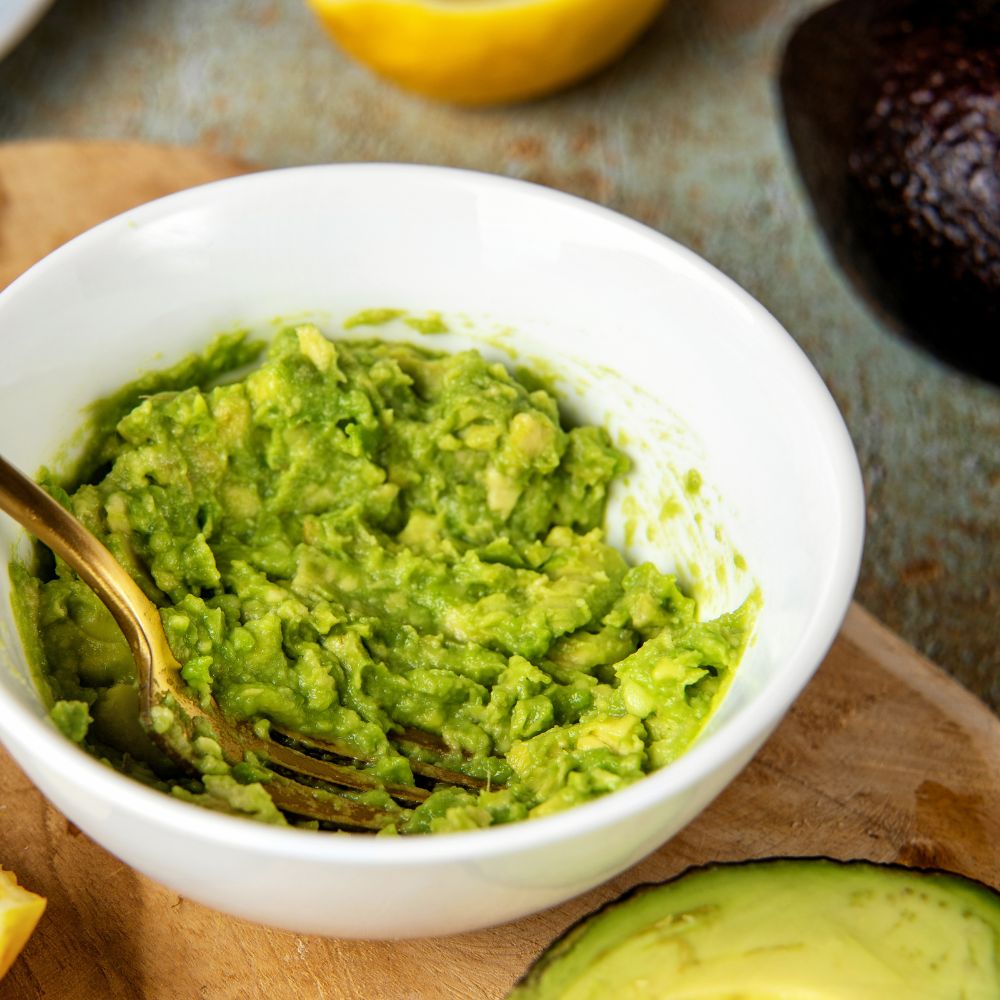
Remove from the skin and freeze as halves, slices, or mashed with lemon juice. Store in a resealable freezer bag or airtight container.
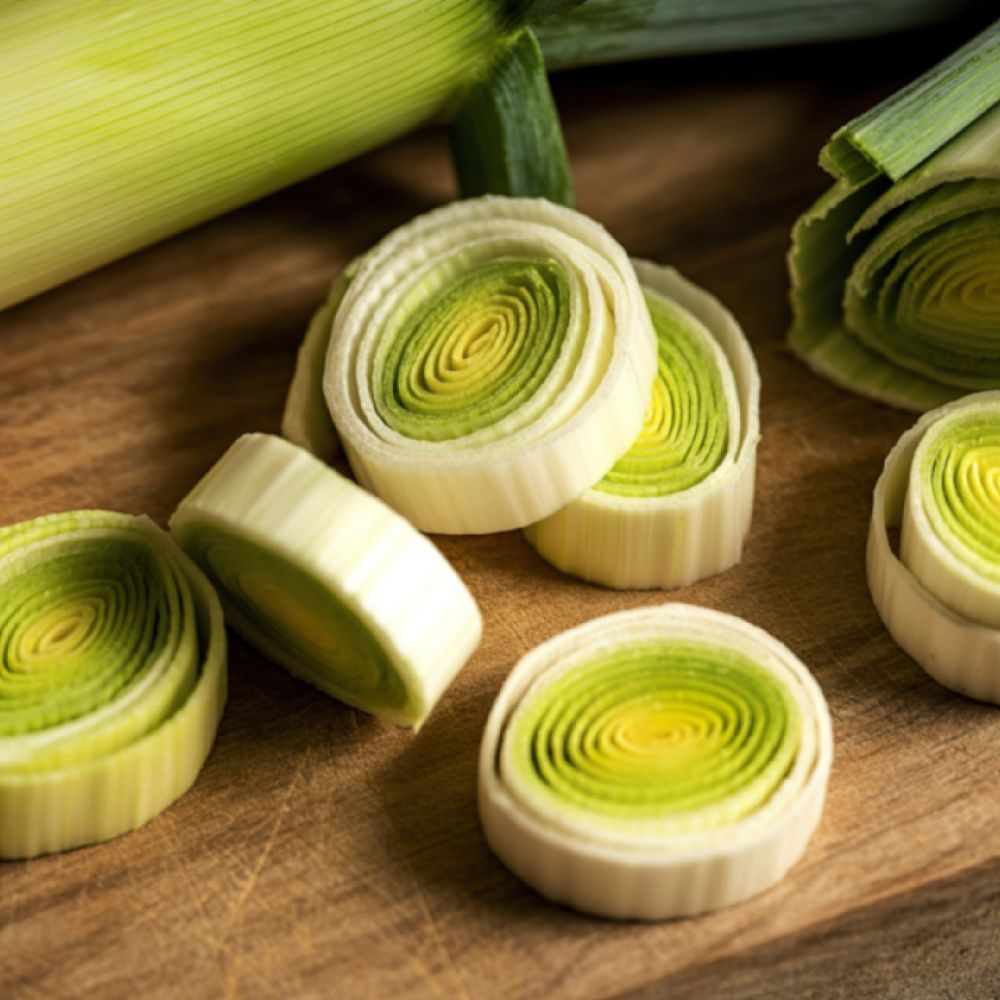
Slice, rinse, dry, and portion into resealable freezer safe bags.
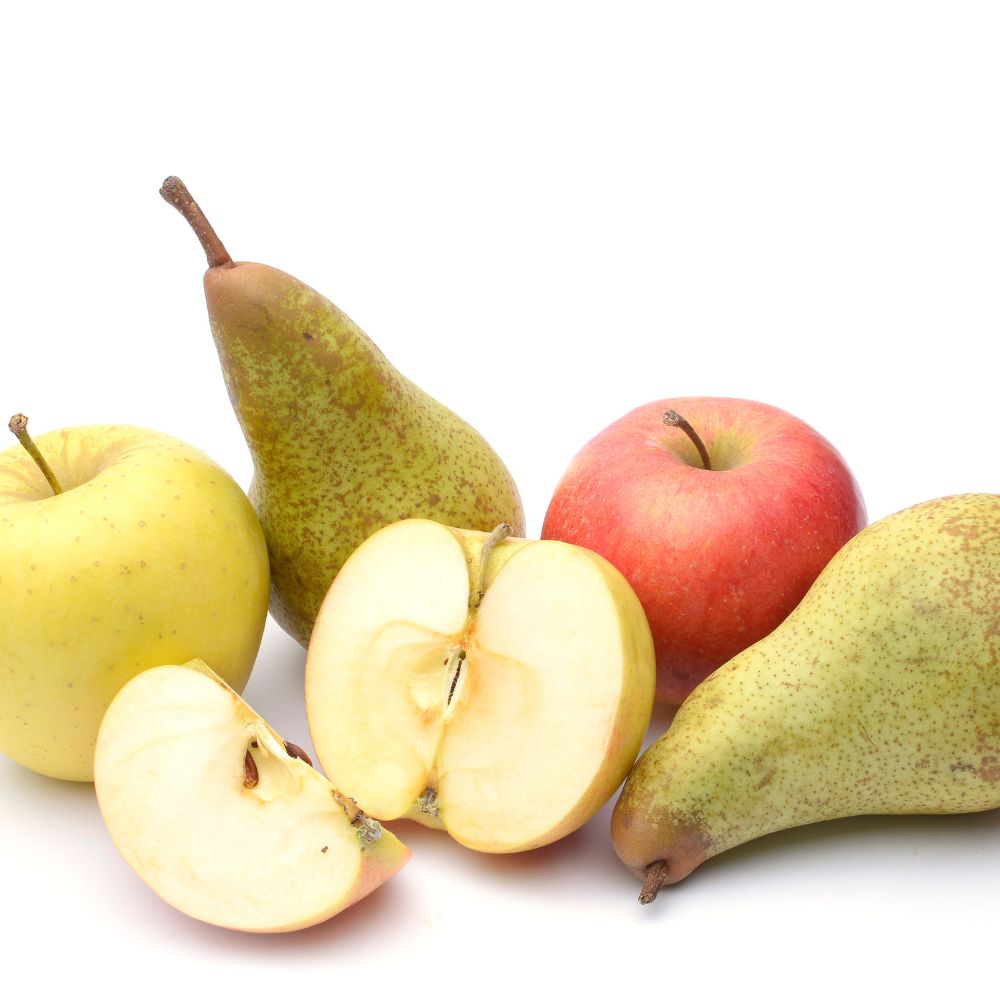
Slice or chop into chunks and keep in a resealable freezer safe bag. Fruit will be perfect for baking or smoothies.
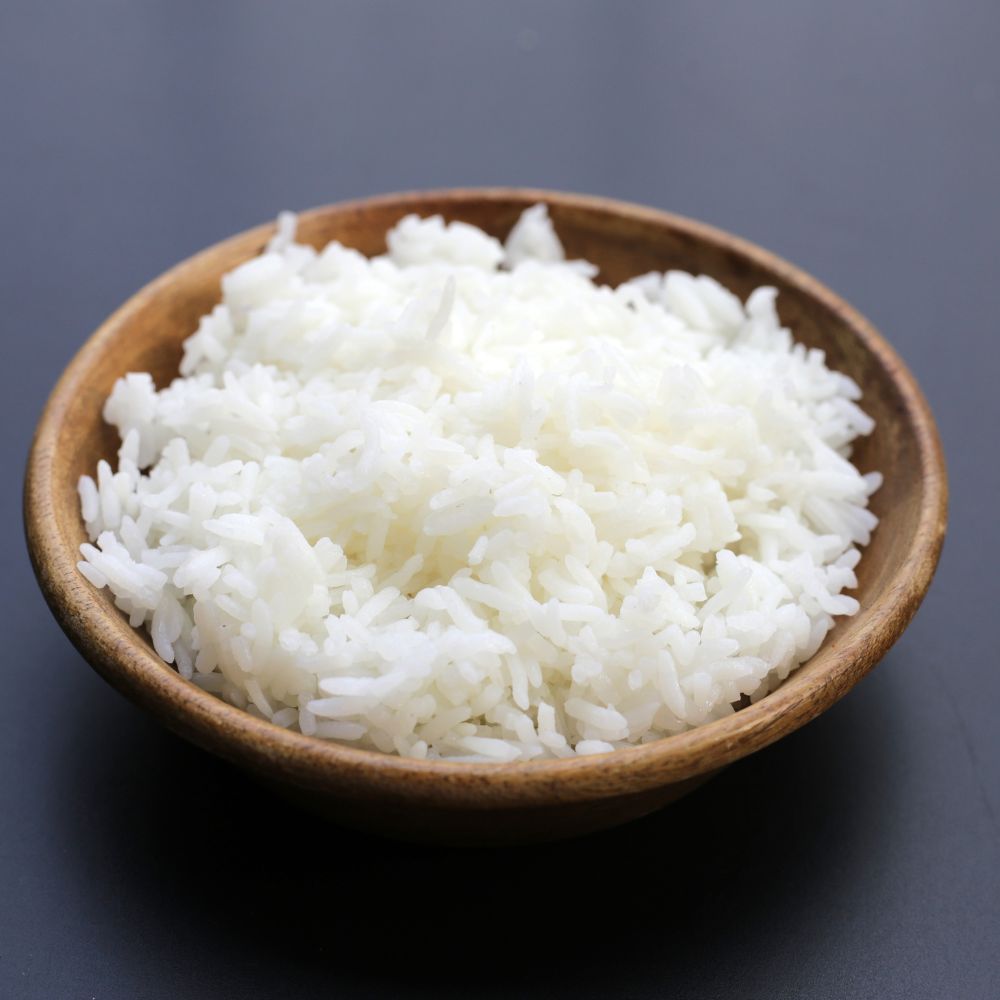
Freeze any leftover rice right after the meal to keep it safe to reheat and eat later on.
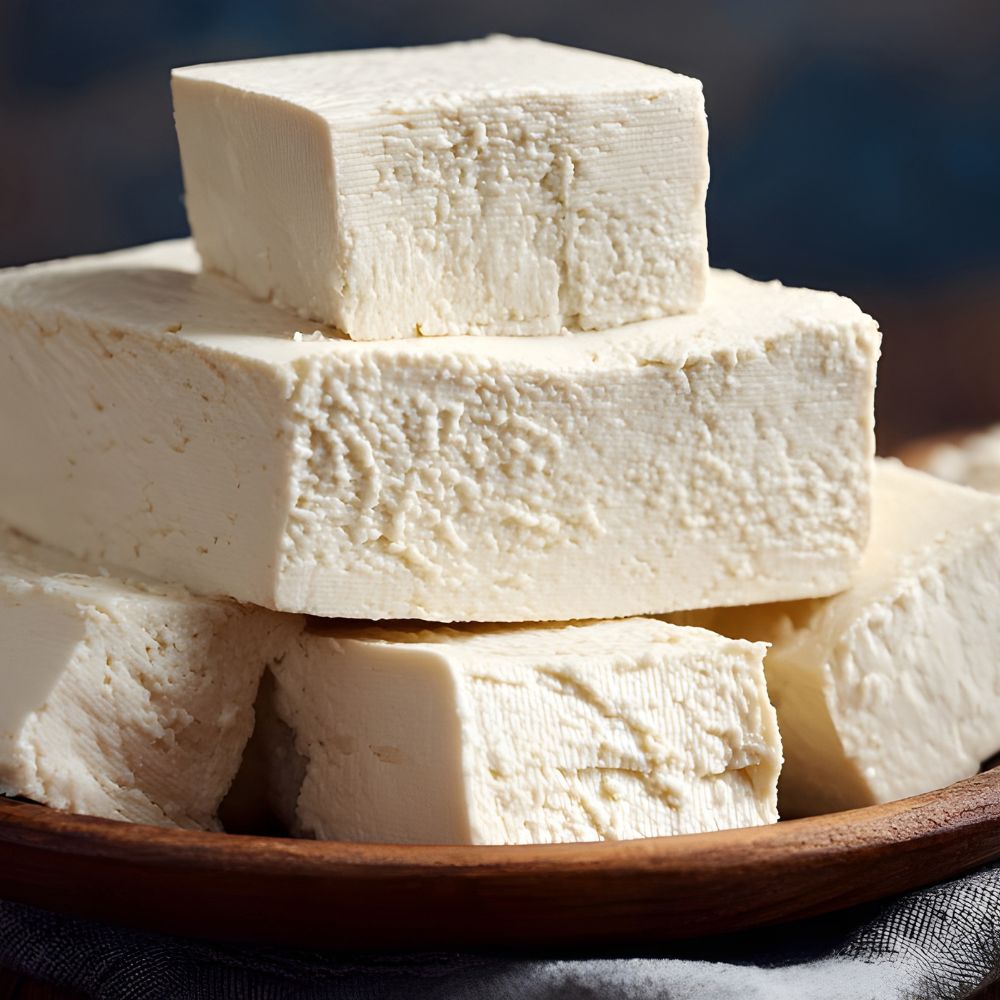
You can freeze uncooked and cooked tofu, keep in a freezer safe bag or airtight container.
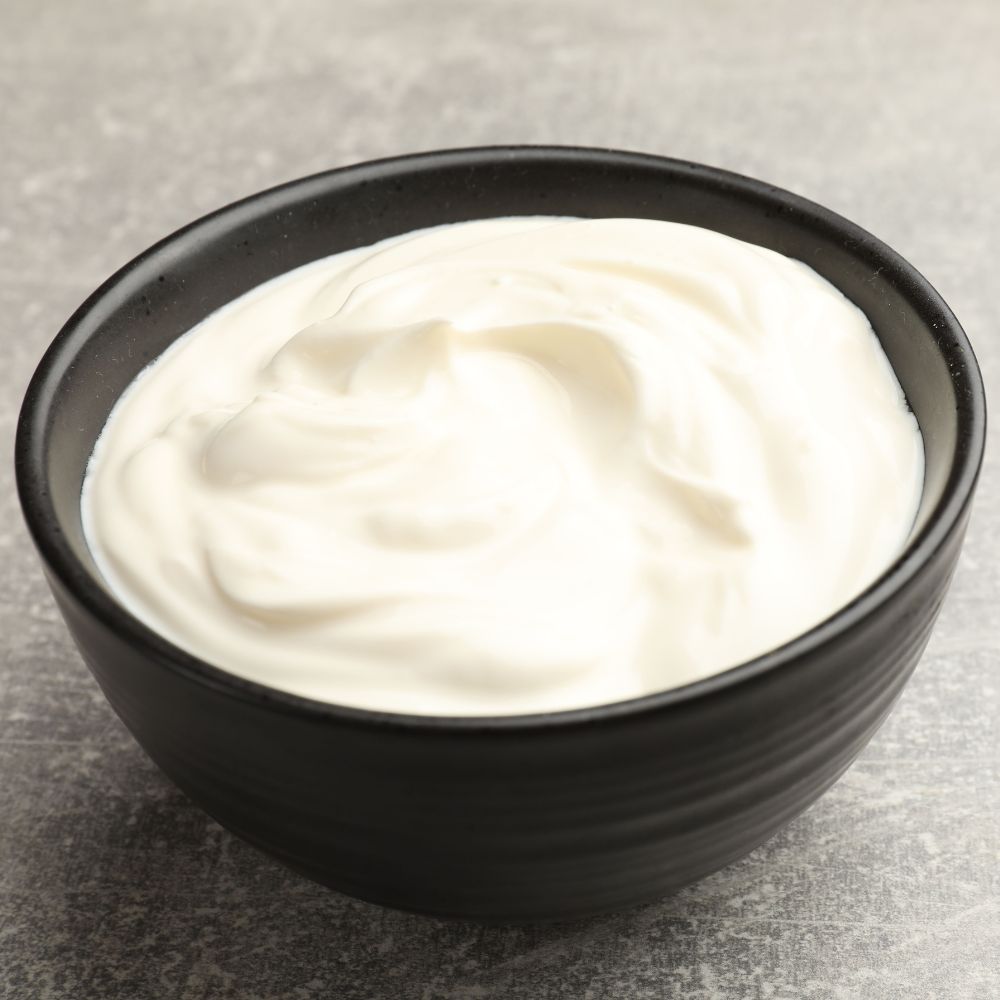
Freeze sour cream in portions in ice cube trays. Great for adding into cooking or baking.
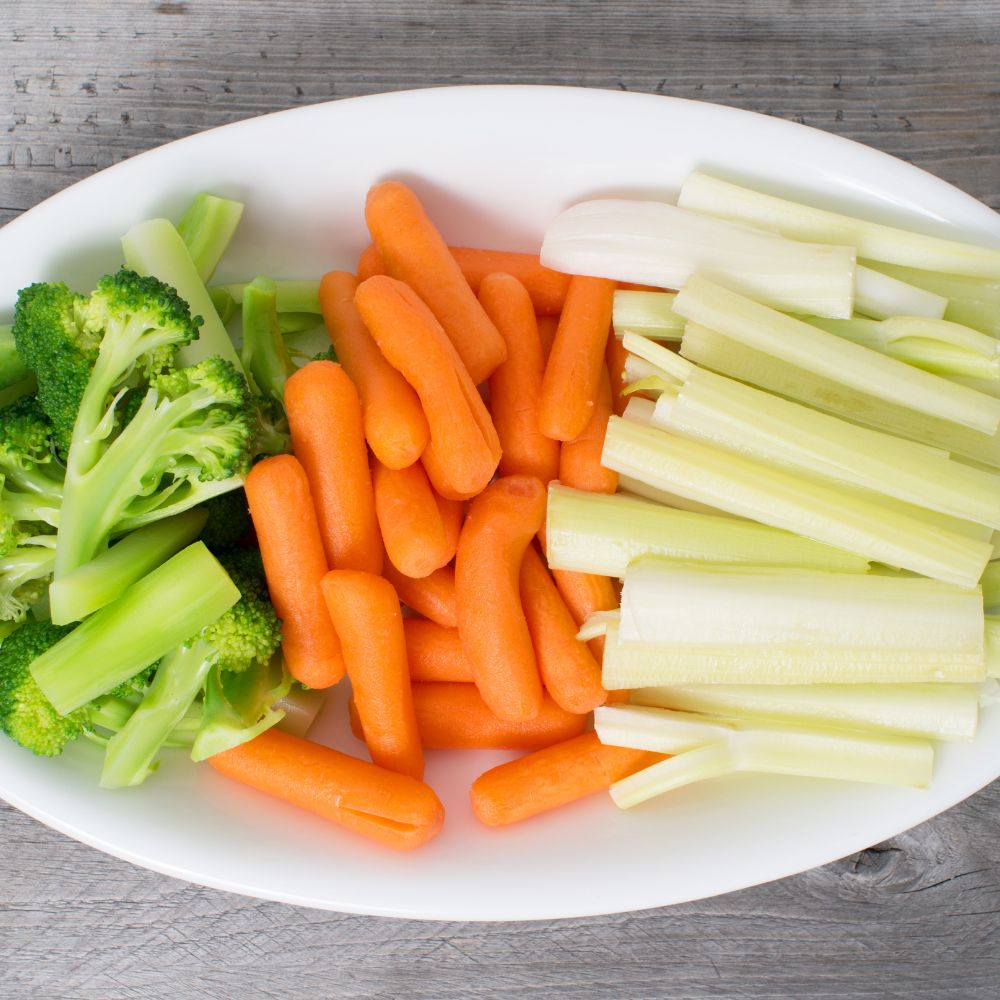
Vege like broccoli, carrots, cauliflower, celery can be frozen. Blanch first for best results.
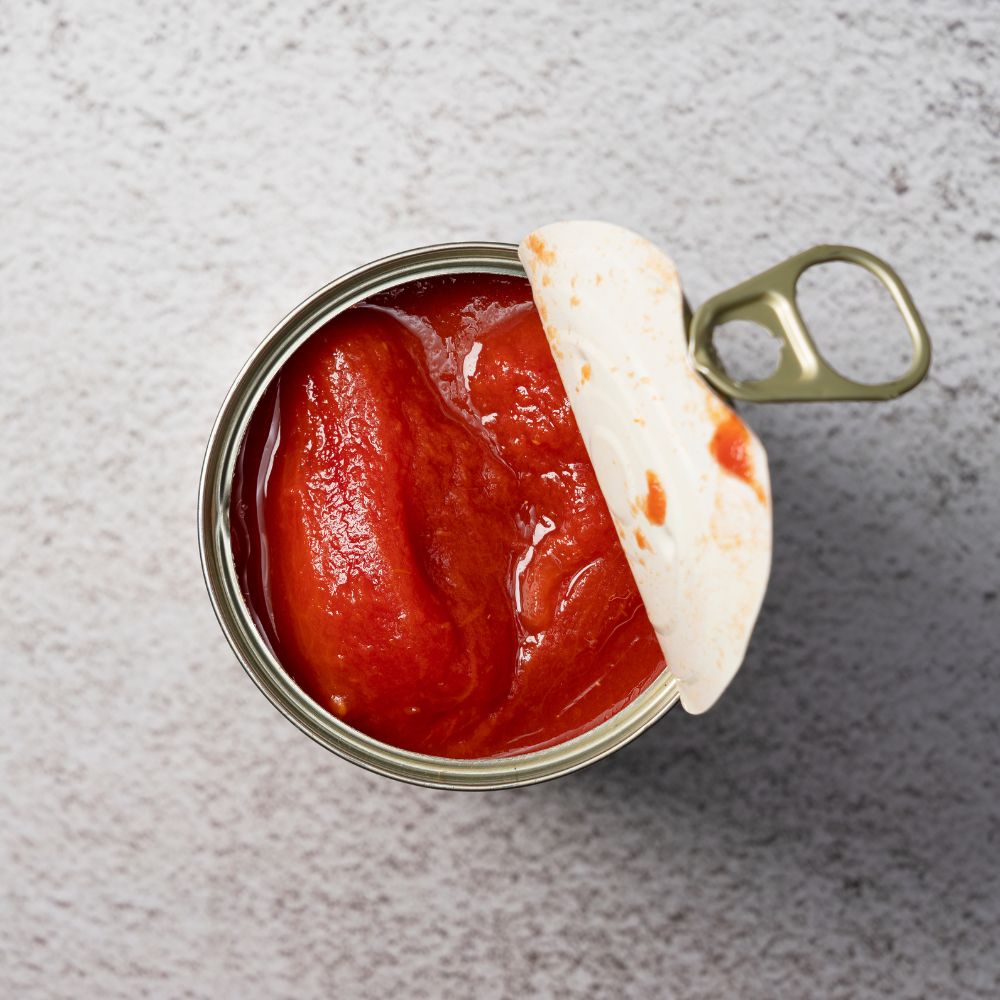
Transfer to a freezer safe container and use within three months for best results.
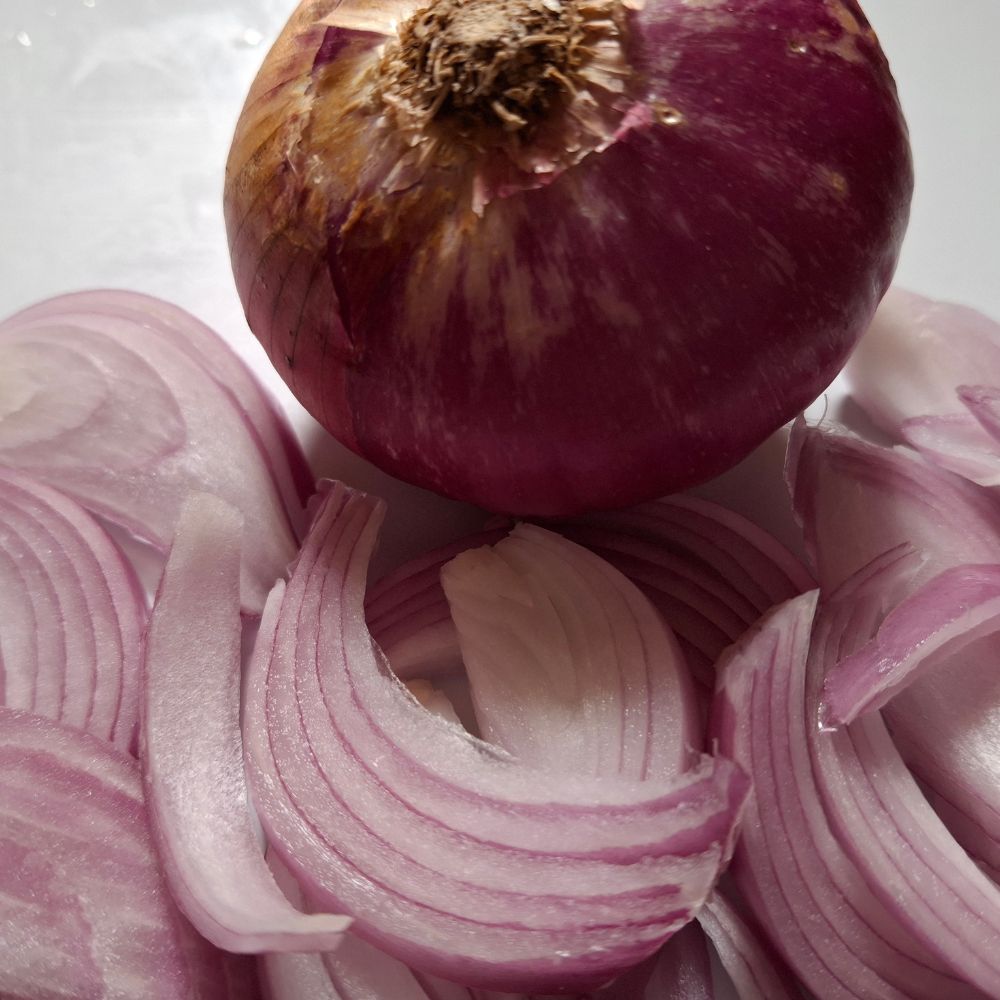
Slice or dice any excess onions and keep in resealable freezer safe bags. Use straight from frozen when cooking, no need to defrost.
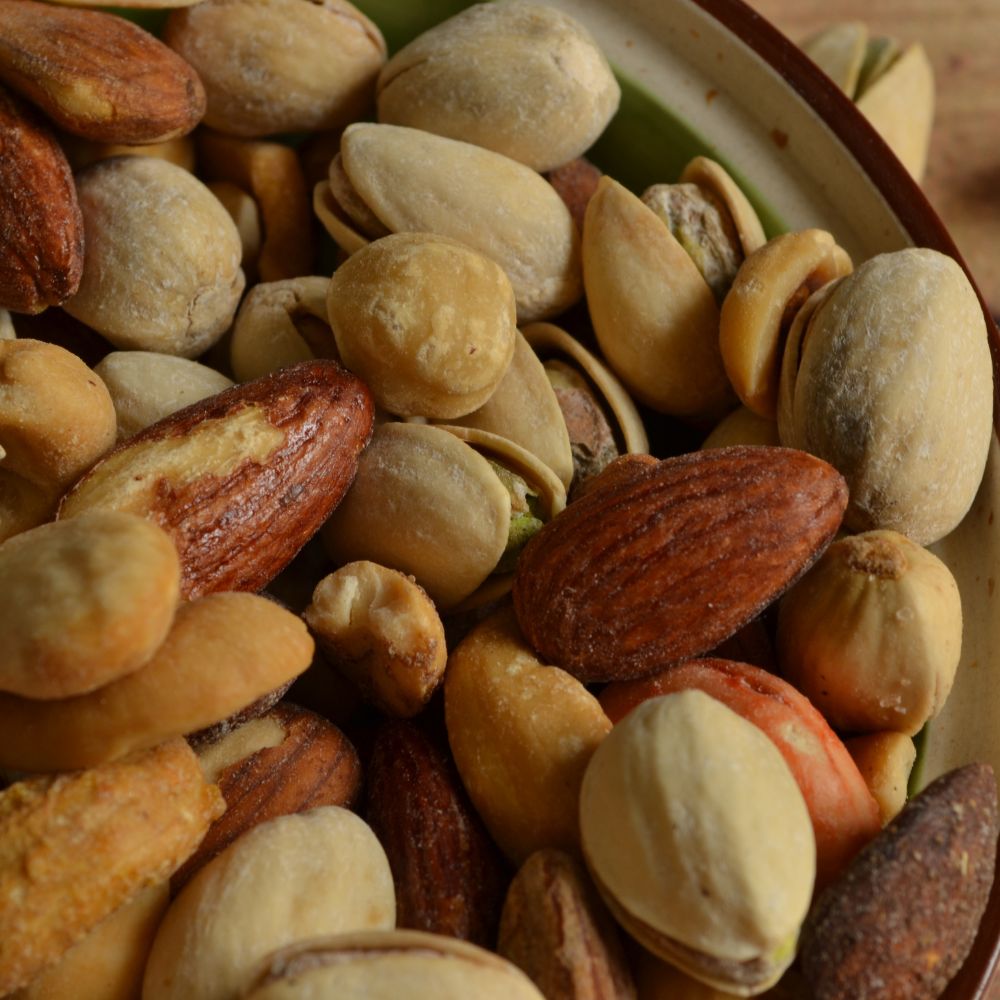
Extend the shelf life of nuts and seeds by storing them in the freezer.
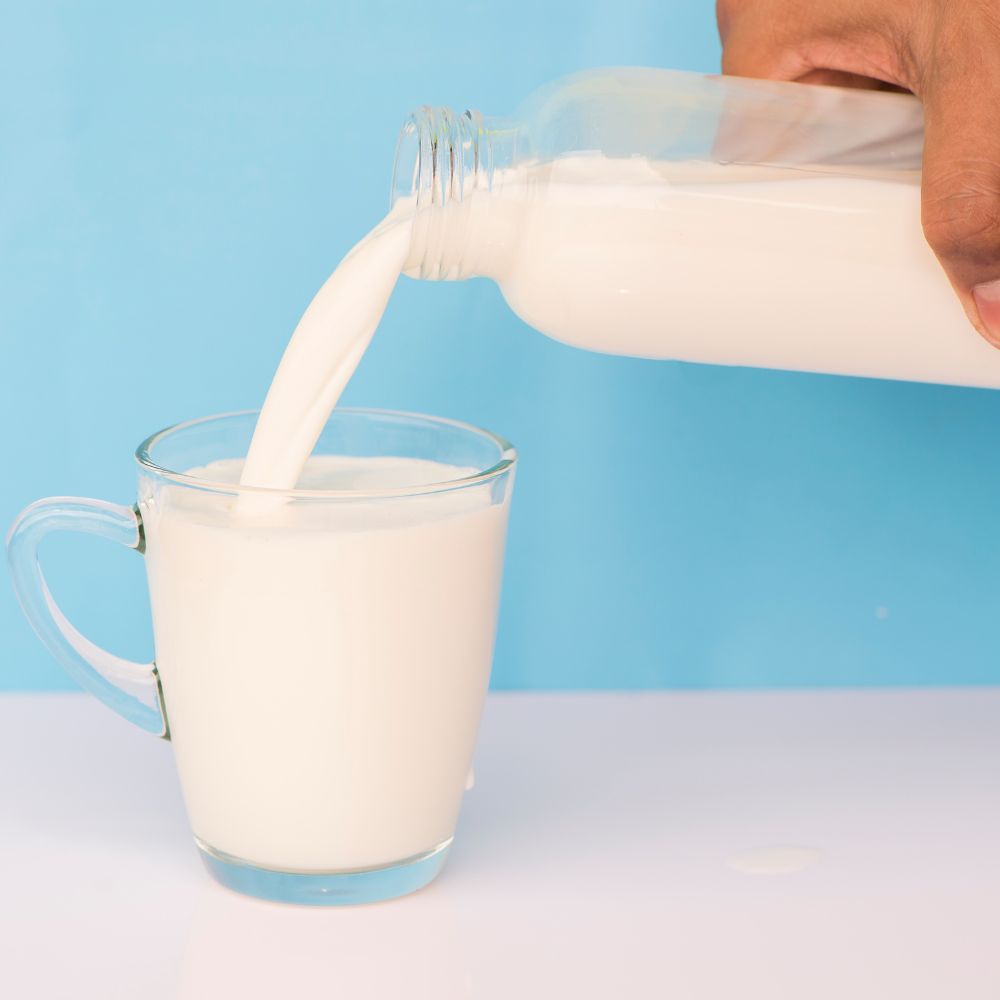
Freeze any excess milk in portions or in the bottle. If freezing a full bottle, pour out some into your tea or coffee first to allow for expansion.

A delicious snack or light meal to have on hand and keeps well in the freezer.
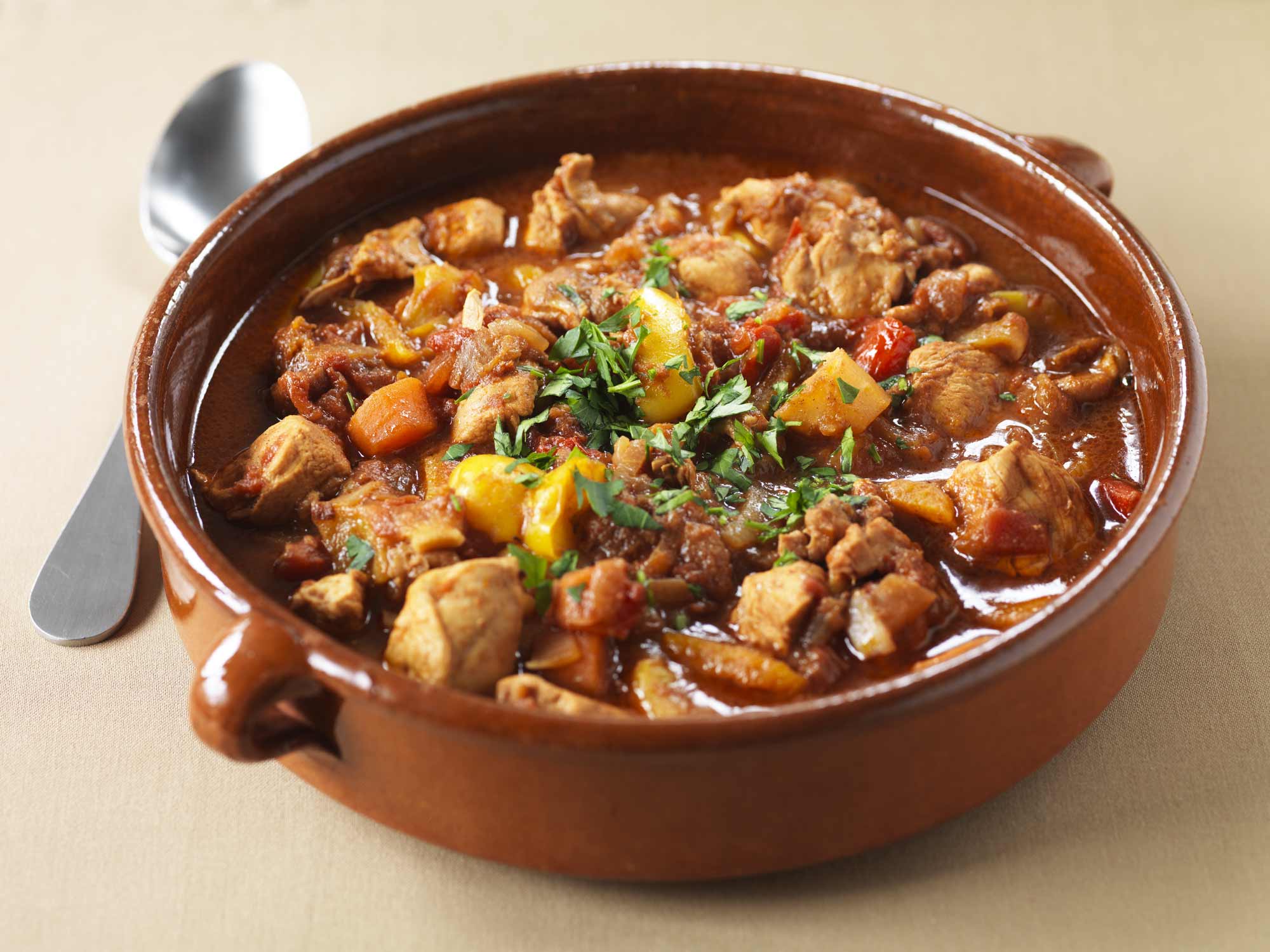
This deliciously thick stew can be varied depending on what you have in the fridge.

These bite-sized banana morsels are a not-so-naughty treat.

This soup is perfect to use up any extra greens for a nutritious and flavourful meal.
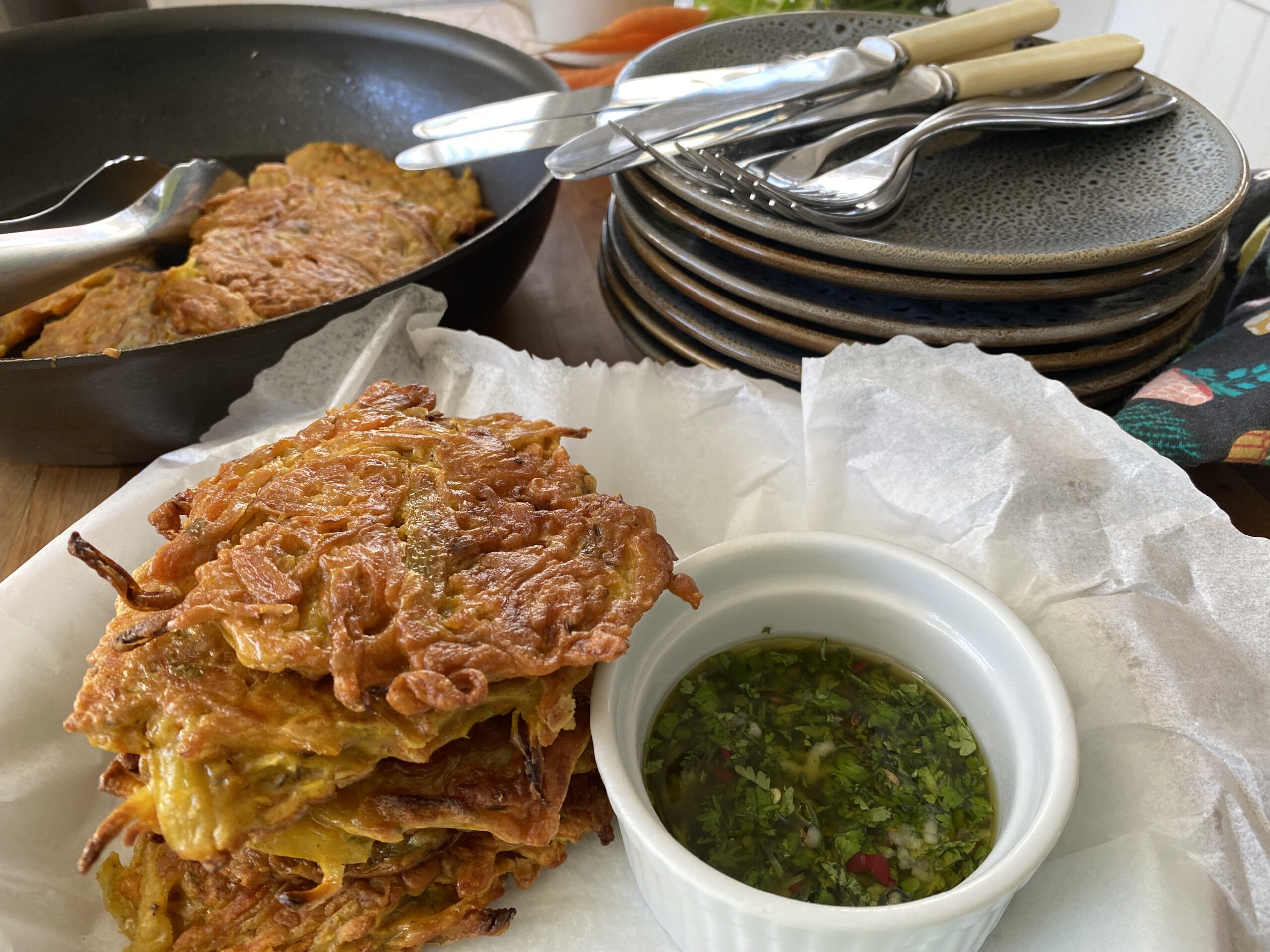
Perfect as a side or snack and retains its crisp after reheating in the oven or air fryer.
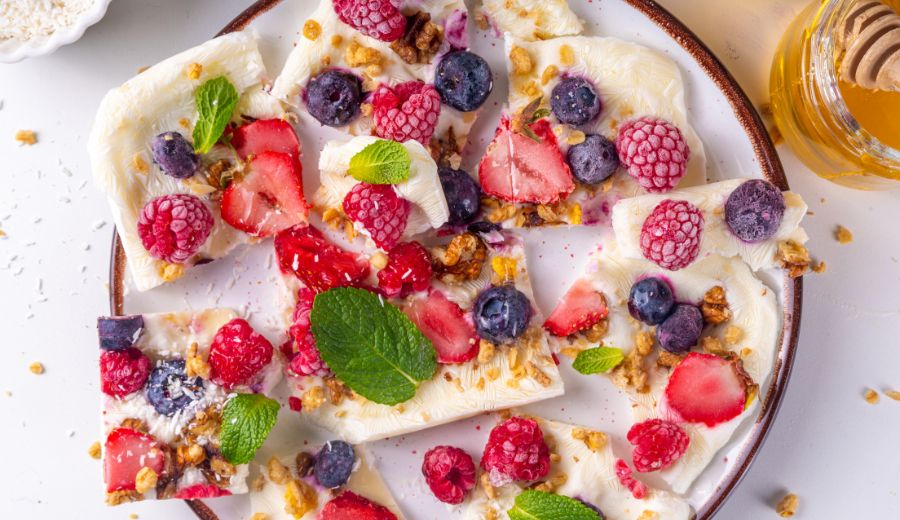
Your food waste fighting recipe to use up yoghurt, berries, nuts, or dried fruit.
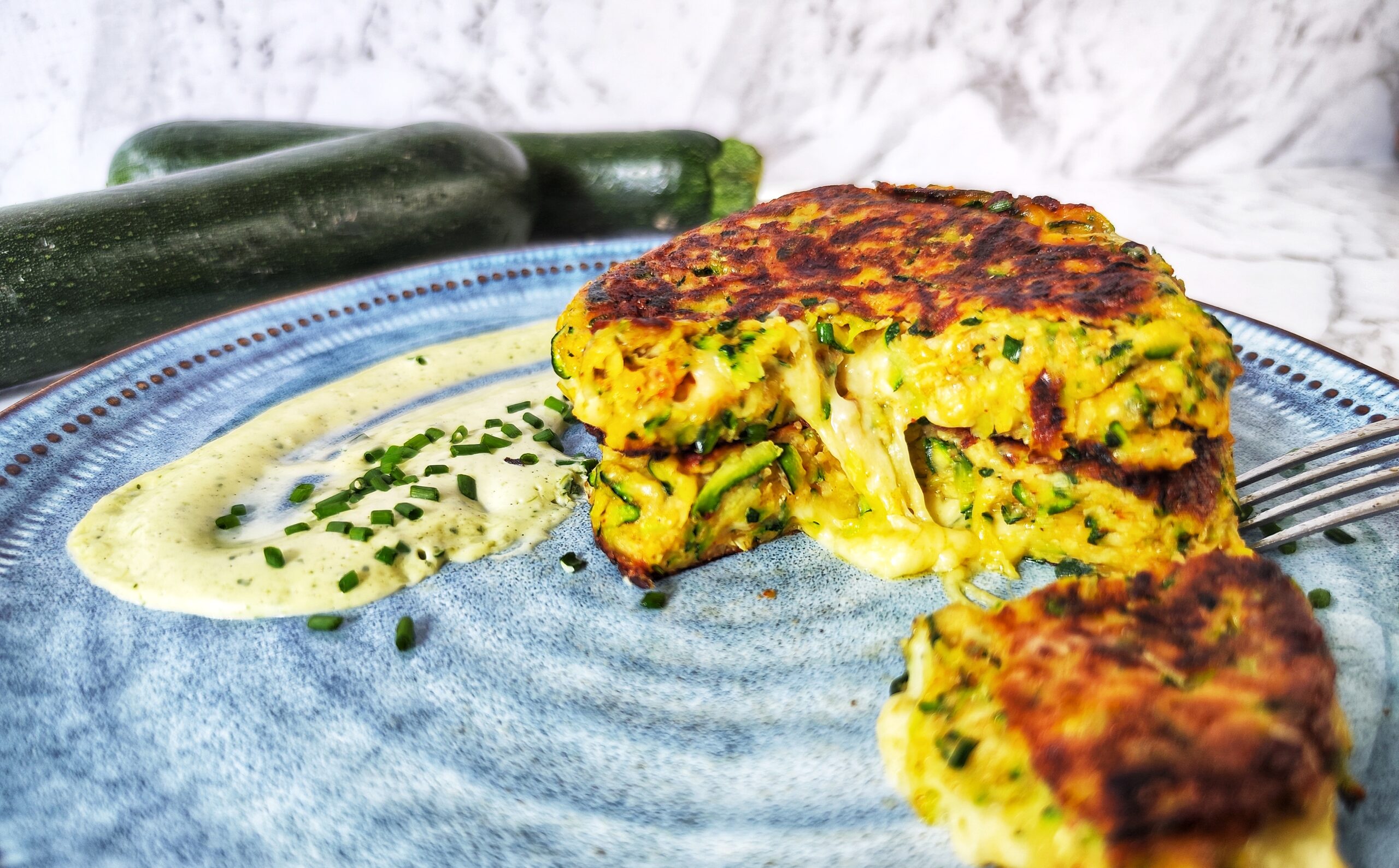
The perfect recipe for making in big batches when you've got plenty of courgettes.

A simple and quick to make stir fry, perfect for batch cooking and meal prep.
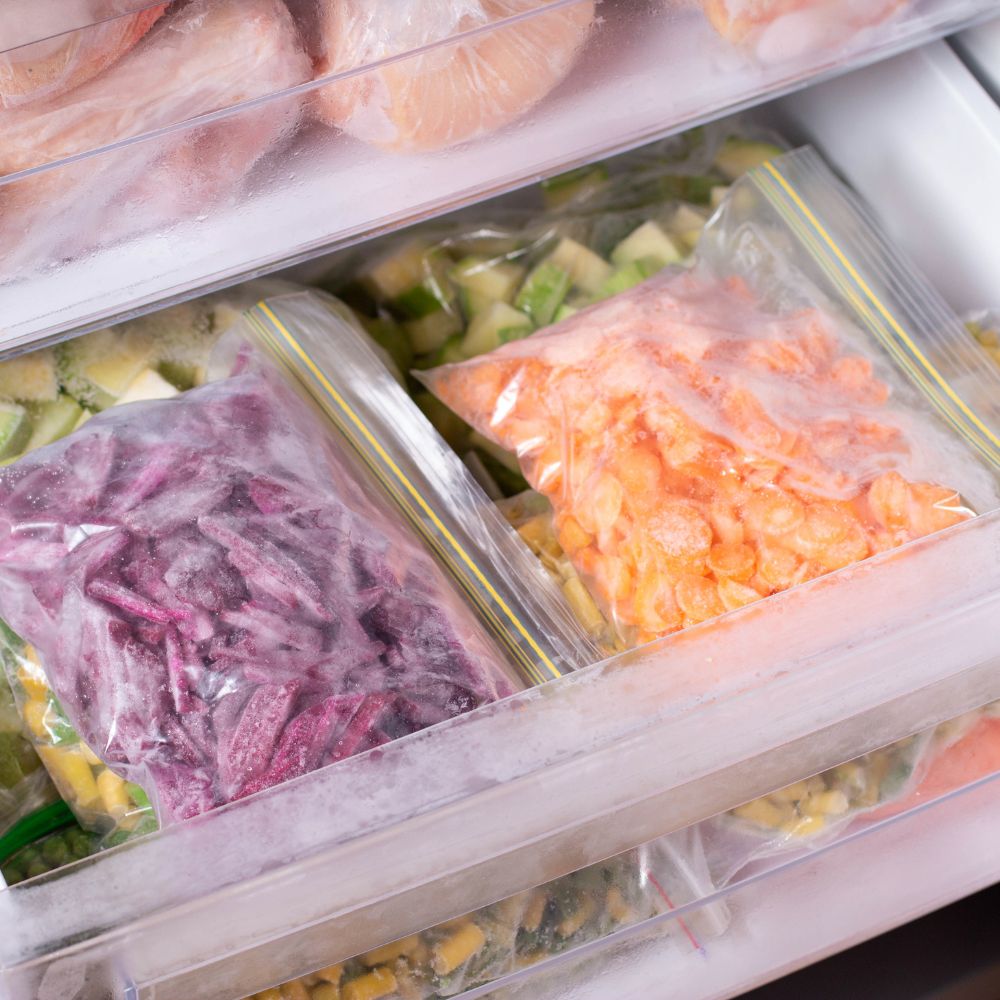
Keep your freezer at a steady temperature by opening the door as little as possible and keeping it well stocked. Wrapping food tightly in airtight, moisture-proof packaging also helps protect quality.
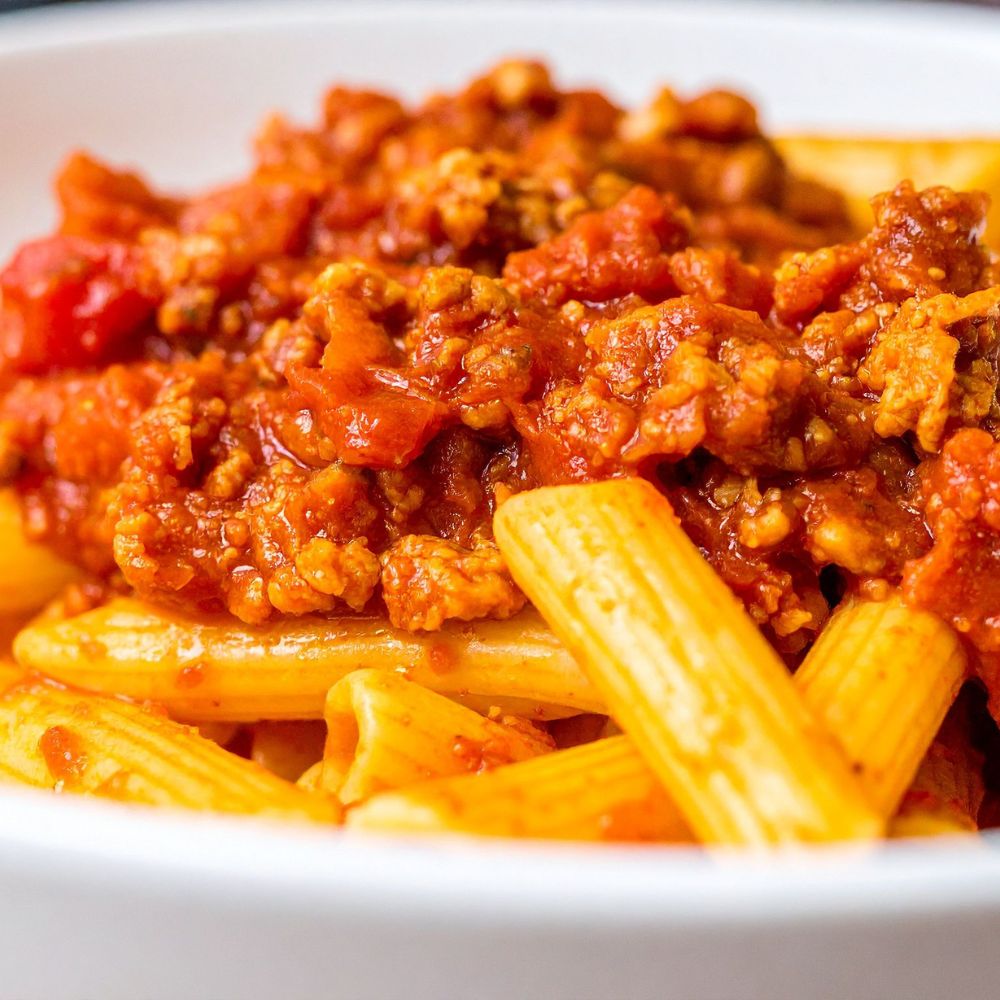
Yes. Food that was bought frozen, or frozen raw at home, can be thawed, cooked, and then safely refrozen.
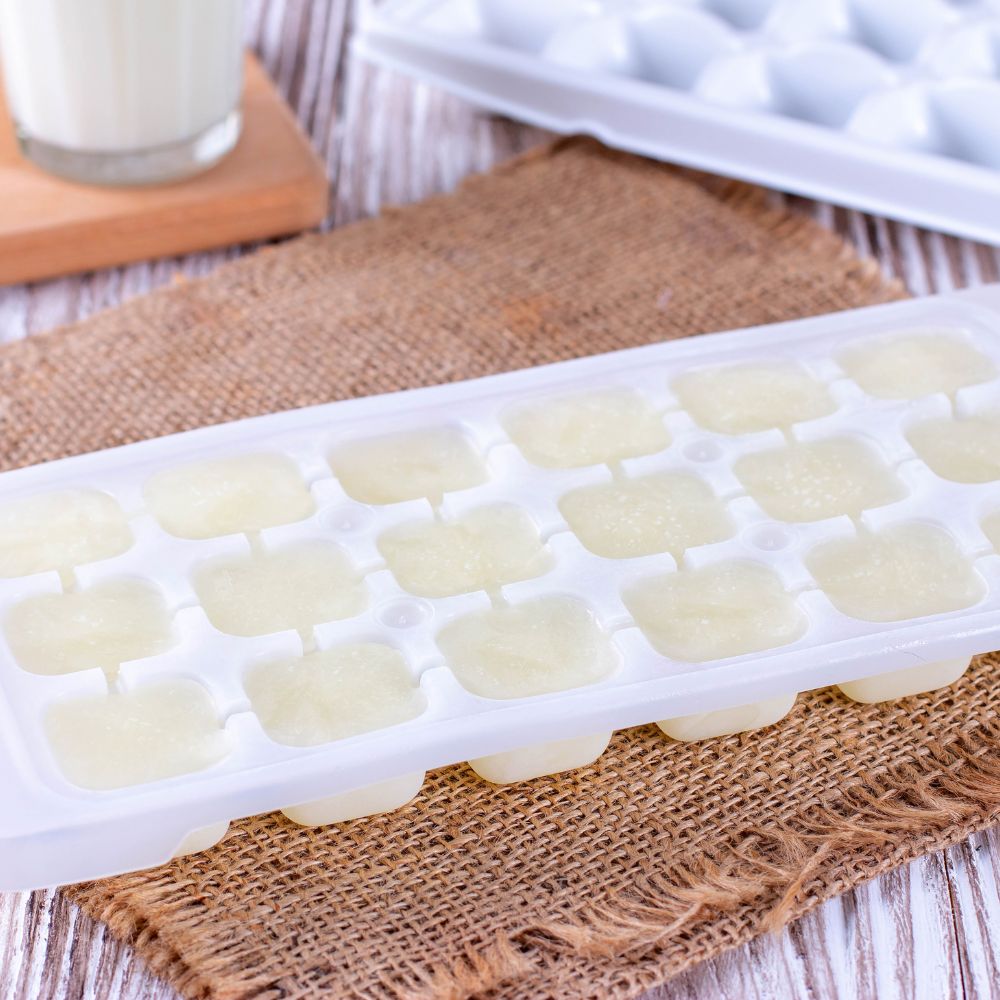
Yes—milk freezes well. Freeze it as fresh as possible for best results. Milk expands when frozen, so pour a little out first (great for a hot drink). Thaw in the fridge and shake well before using if freezing the bottle. Or freeze in ice cube trays and transfer into resealable freezer bags.
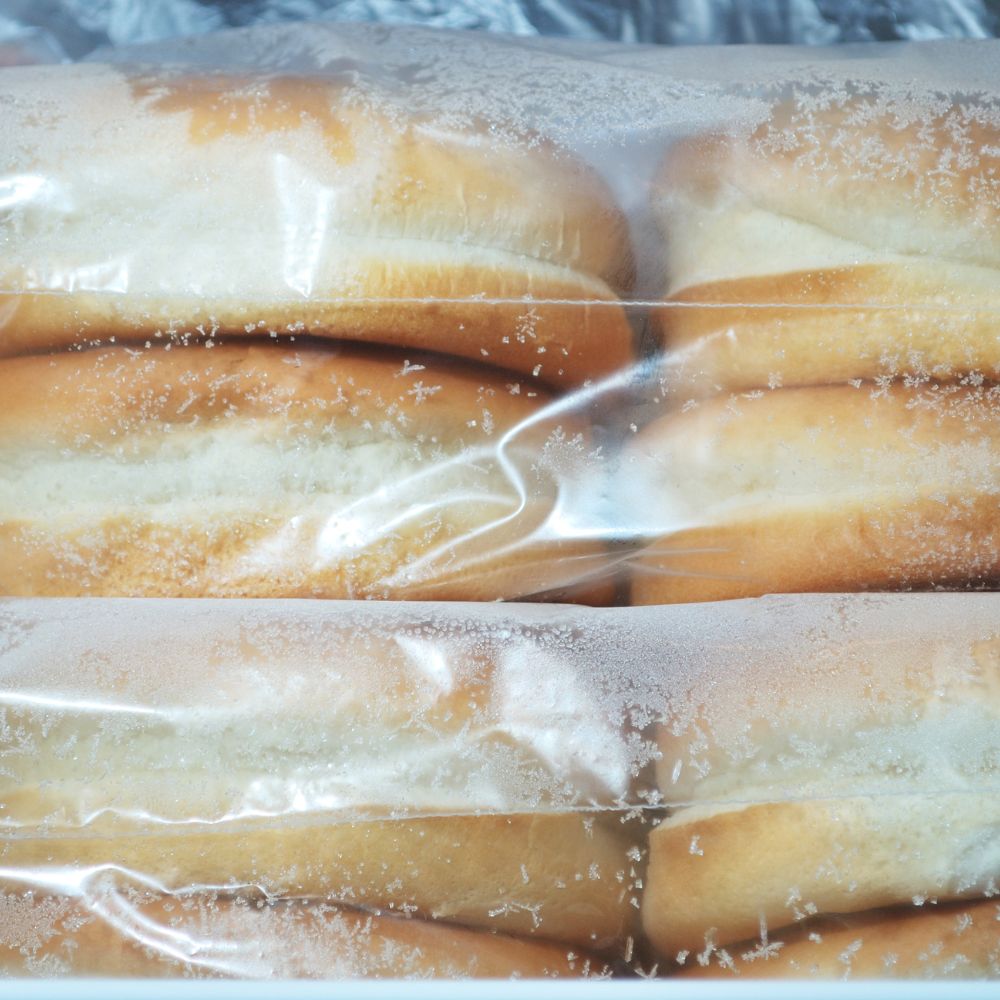
Yes! In Aotearoa’s humid climate, the freezer is the best place for bread to prevent mould. To make slices easier to separate, give the loaf a gentle bang on the bench before freezing.
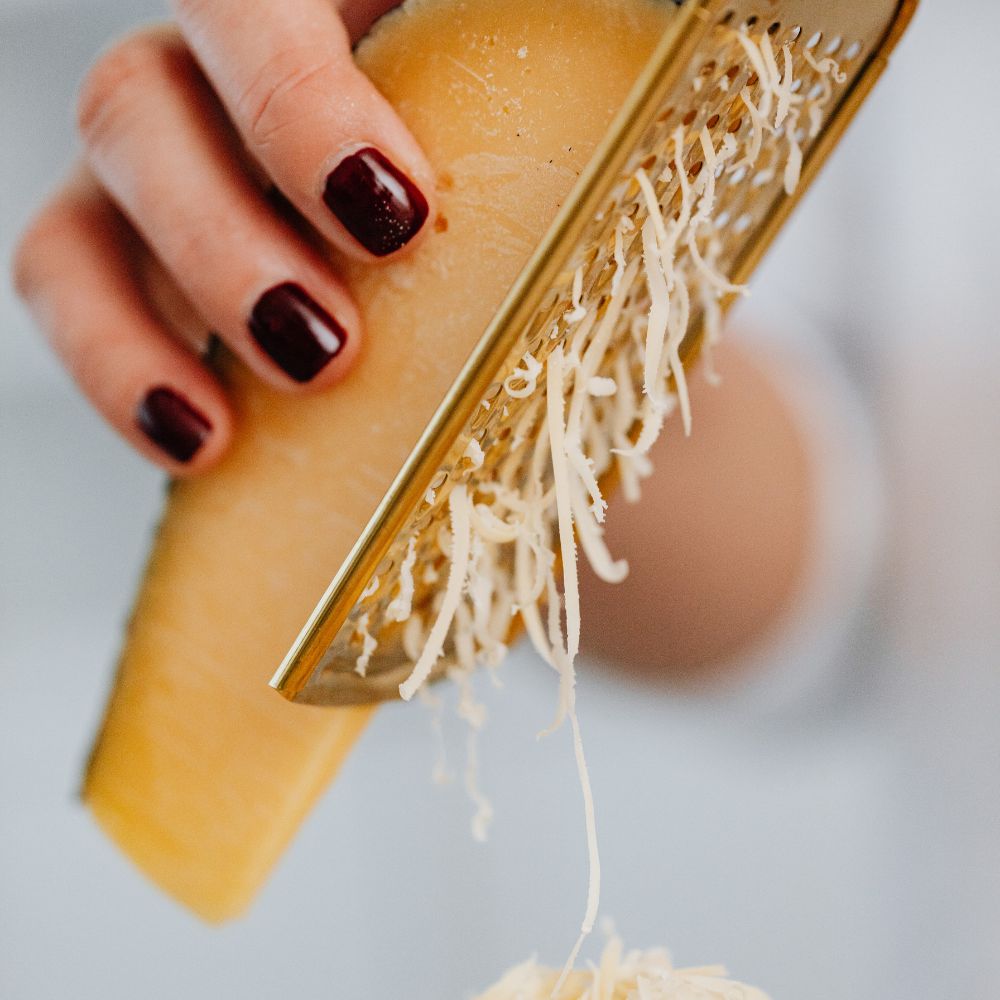
Hard cheeses like Edam and tasty freeze well—grating them before freezing makes them easy to use. Soft cheeses can also be frozen, but their texture may change once thawed so it's generally recommended for cooking than eating raw.