




What fruit and veggies are cheaper and in season in winter?
It’s cold and often wet and everyone’s power bills are sky high. Seasonal fruits and vegetables are typically more affordable, stay fresher longer, taste better, and are often locally grown right here in New Zealand. Use this guide to help you make the most of your produce with storing them right, and ideas to make delicious dishes.
So, which Winter produce offers the best value and versatility?
Carrots
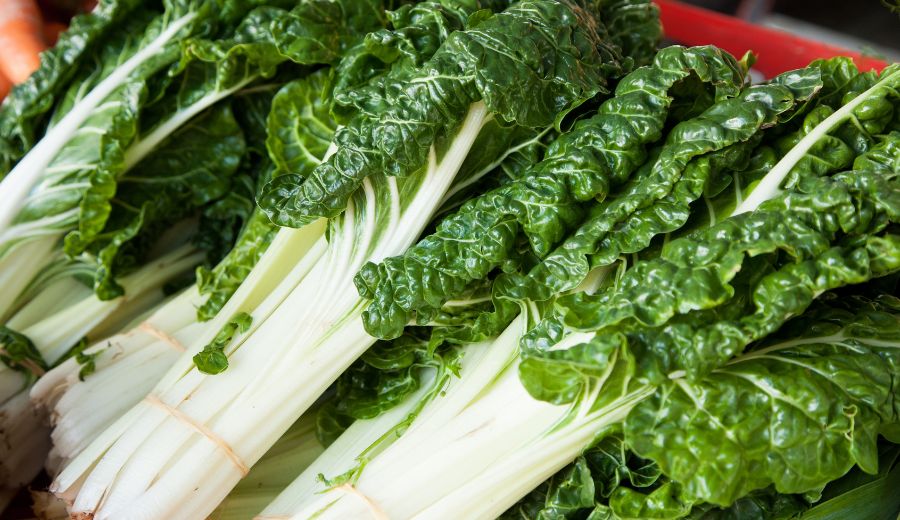
Silverbeet
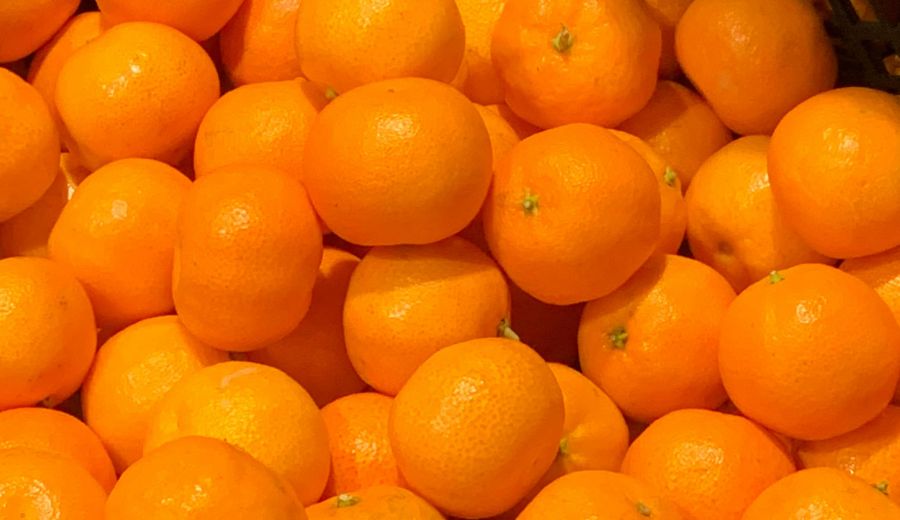
Oranges
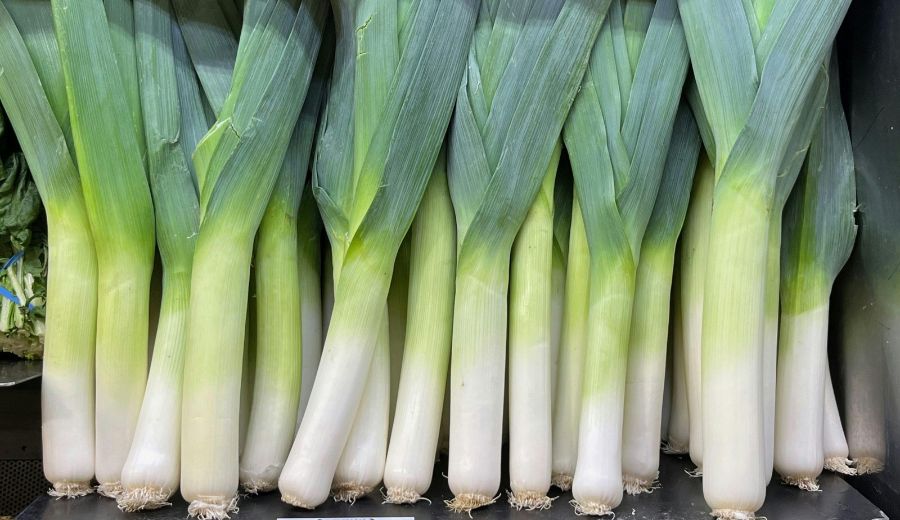
Leeks
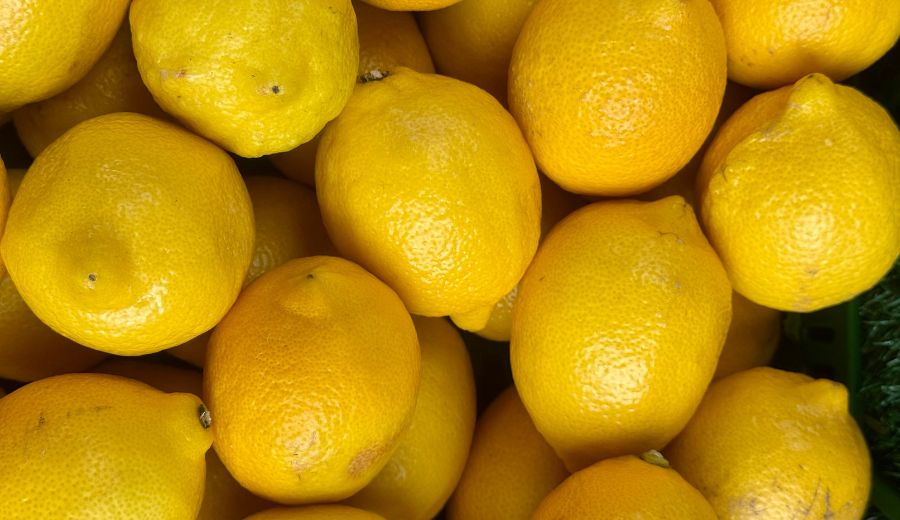
Lemons
Grapefruits
Onions
Cabbage
Apples
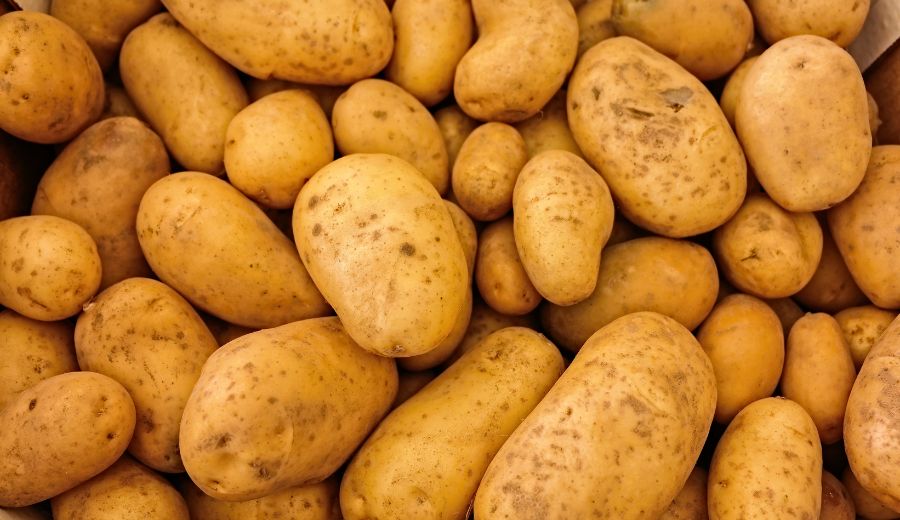
Potatoes
Vegetables: storage and recipe ideas
Carrots
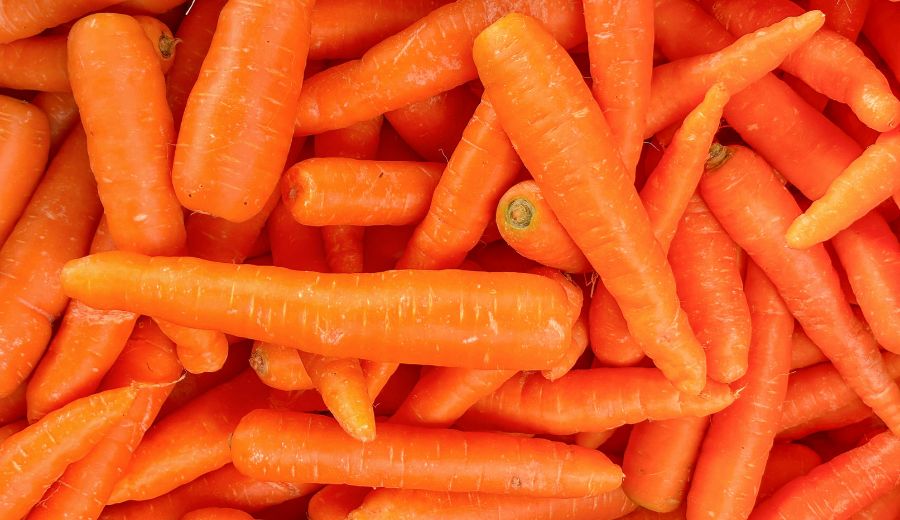
Carrots are a great value in winter, packed with vitamin A, and perfect for soups, casseroles, winter salads, or baking. To keep them fresh longer, store them in a Tupperware container lined with a paper towel. If they need to be used quickly, try roasting them with a drizzle of honey or maple syrup, cooking and puréeing them to freeze for soups or baking, or blending them in a juicer to make fresh juice or add to a smoothie. For even more inspiration, check out our 8 ways with carrots blog.
Silverbeet
This is another vegetable where it’s worth compleating and using the whole plant, including the stalks. The leaves are perfect for soups, stews, curries, or pasta, and can also be sautéed with garlic, added to omelettes or frittatas, or mixed through rice and grain dishes. The stalks are slightly tougher, so separate them from the leaves and cook them first to give them time to soften. To keep silverbeet fresh for longer, store it in the fridge in its original packaging or loosely wrapped in a damp tea towel. Silverbeet also freezes well, simply wash and chop it, blanch for a minute or two, then cool, drain, and freeze in portions. This makes it easy to add straight into cooked dishes later.
Leeks
Leeks are a versatile and flavourful vegetable that work well across a range of dishes. Their mild, sweet onion-like taste makes them perfect for soups, stews, pies, and pasta. Make sure to wash them well, as dirt can hide between the layer, slice lengthways or into rounds and submerge in a large bowl of water to rinse thoroughly before cooking. To keep leeks fresh for longer, store them in the crisper drawer of the fridge loosely wrapped with a damp tea towel to help retain moisture. If you have extra, slice and freeze them or briefly blanch to help preserve the quality.
Cabbages
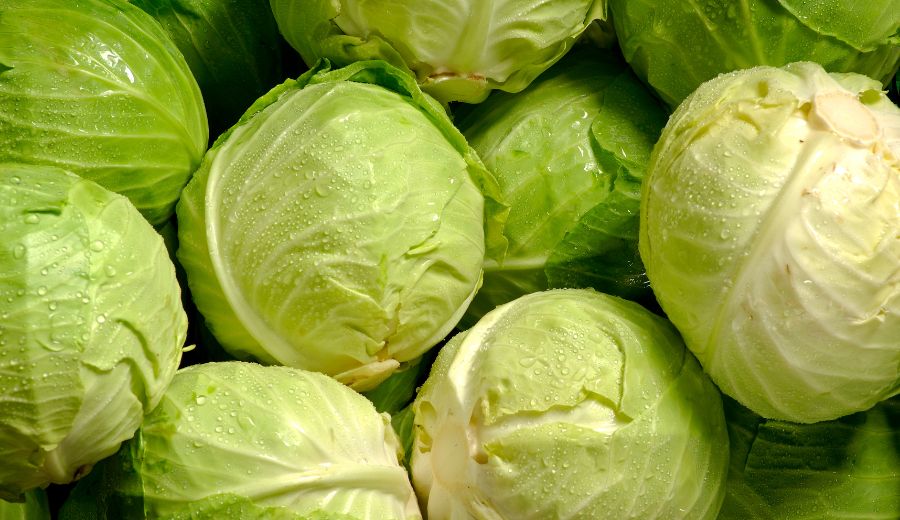
Cabbages are also great bang for your buck, and one whole cabbage can go a surprisingly long way across multiple meals. They can be eaten raw or cooked and they add delicious texture to dishes. Once you’ve started slicing, keep the outer leaves and wrap them back around the cabbage to help it stay fresher for longer. Make coleslaw, sauerkraut or kimchi or simply chop finely and cook with a little butter or salt. Use larger outer leaves to make dishes like oven-baked hangi. For more ideas, check out our blog on 8 ways with cabbage.
What to skip?
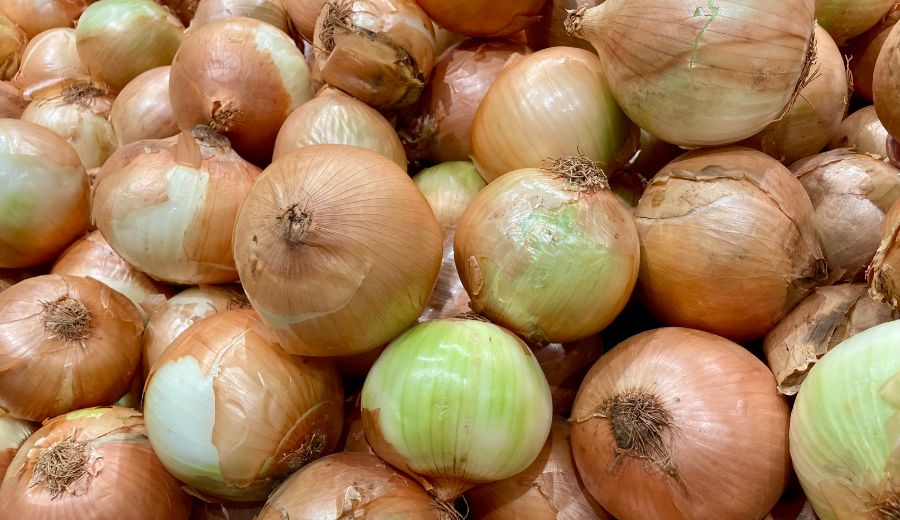
Avoid summer vegetables like courgettes, aubergines, peppers, and tomatoes, which are expensive in winter. Opt for coleslaw over green salads and make stews and soups with a base of carrots, celery, and onions.


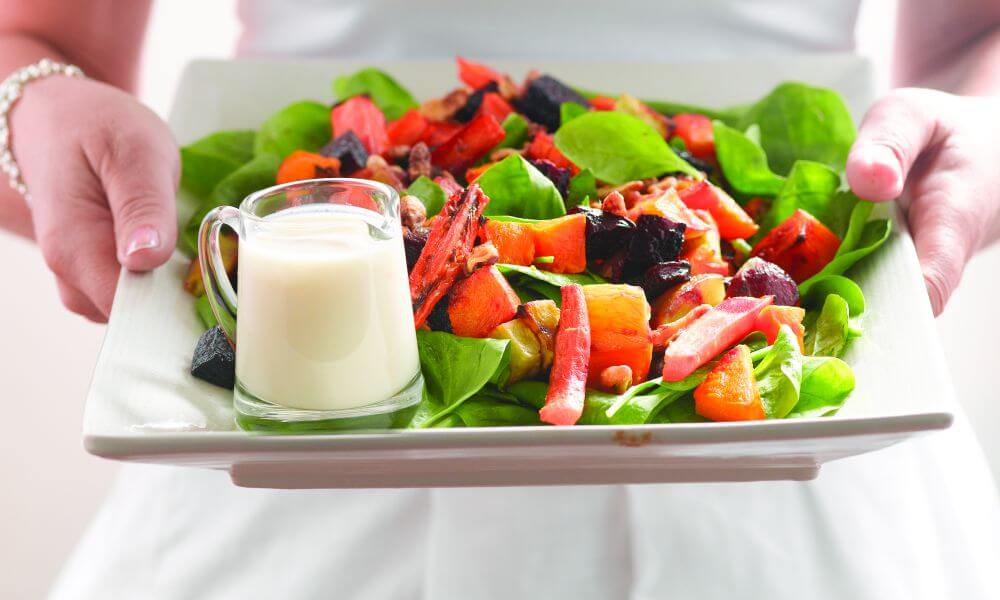
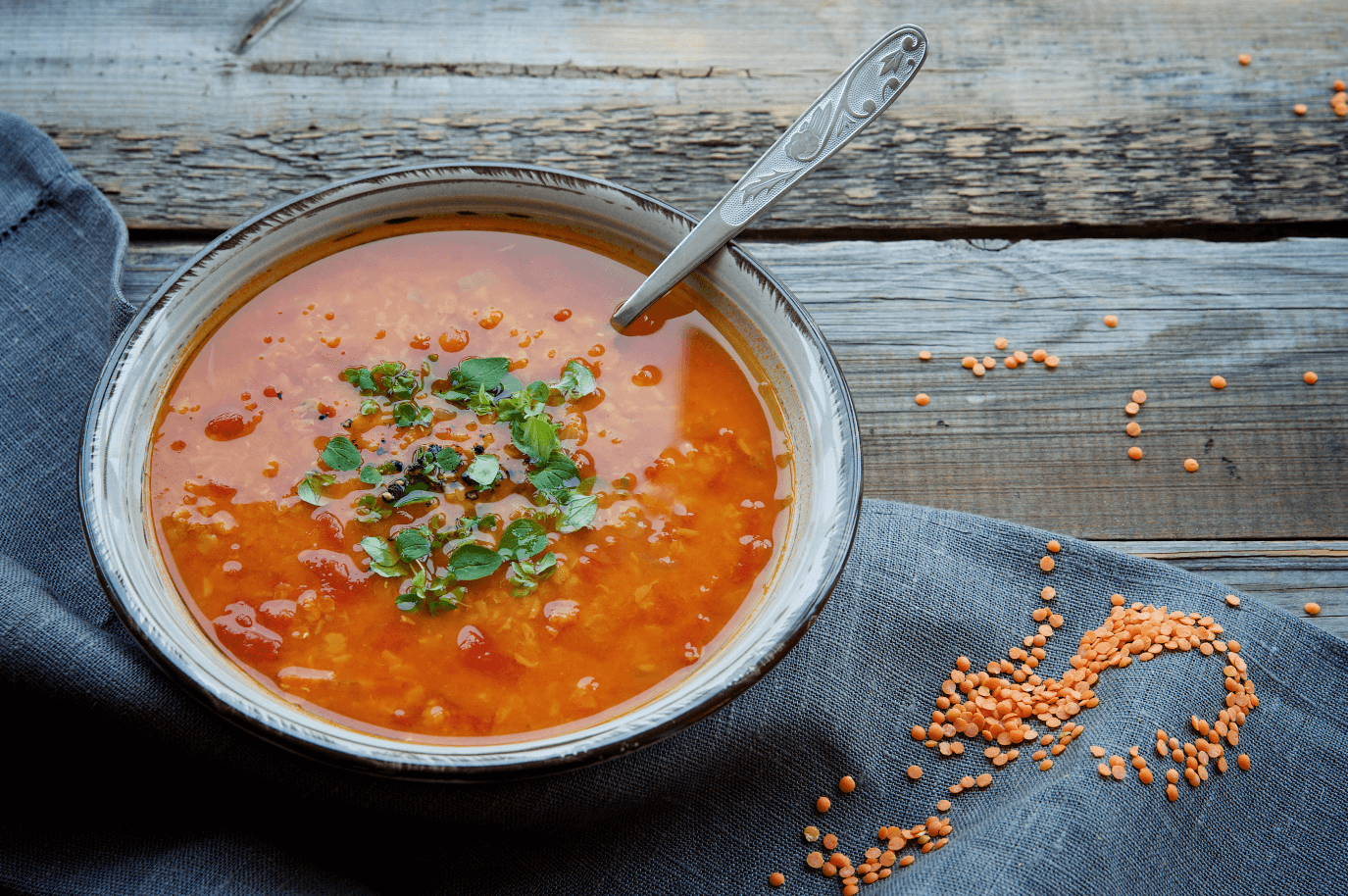
Fruits: storage and recipe ideas
Citrus Fruit
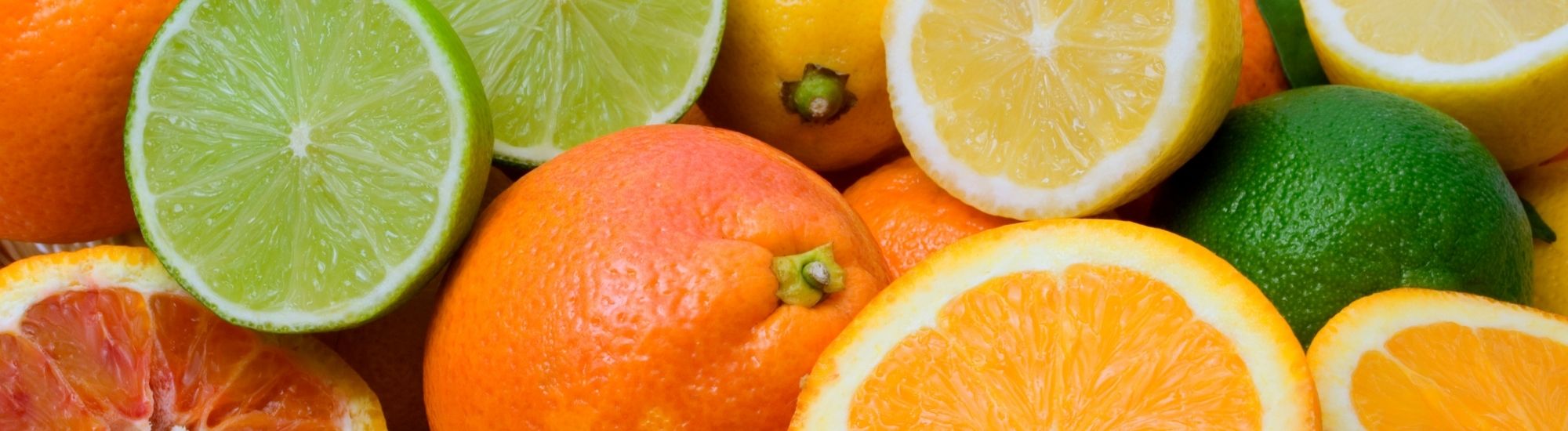
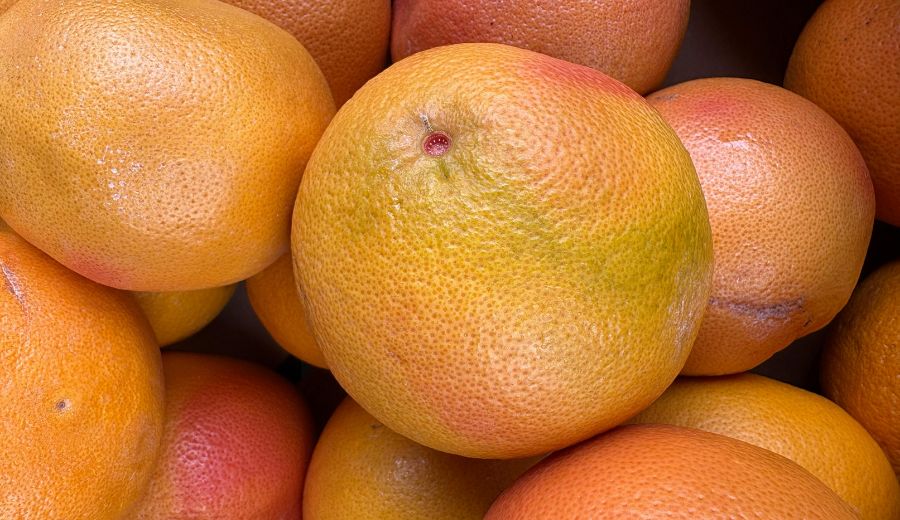
Citrus fruits like oranges, lemons, and grapefruit are at their best in winter, offering great value and a boost of fresh flavour. Use citrus peels for zesting, candying, or making a DIY cleaning spray. Freeze grated rind for baking and juice in ice cube trays for summer dressings. Using the whole fruit, including the peel, is a great way to make the most of your fruit helps stretch your food further and reduce waste. Check out 8 ways with citrus for recipe inspiration, and 8 ways with citrus peels to make the most of all that citrus has to offer.
Apples
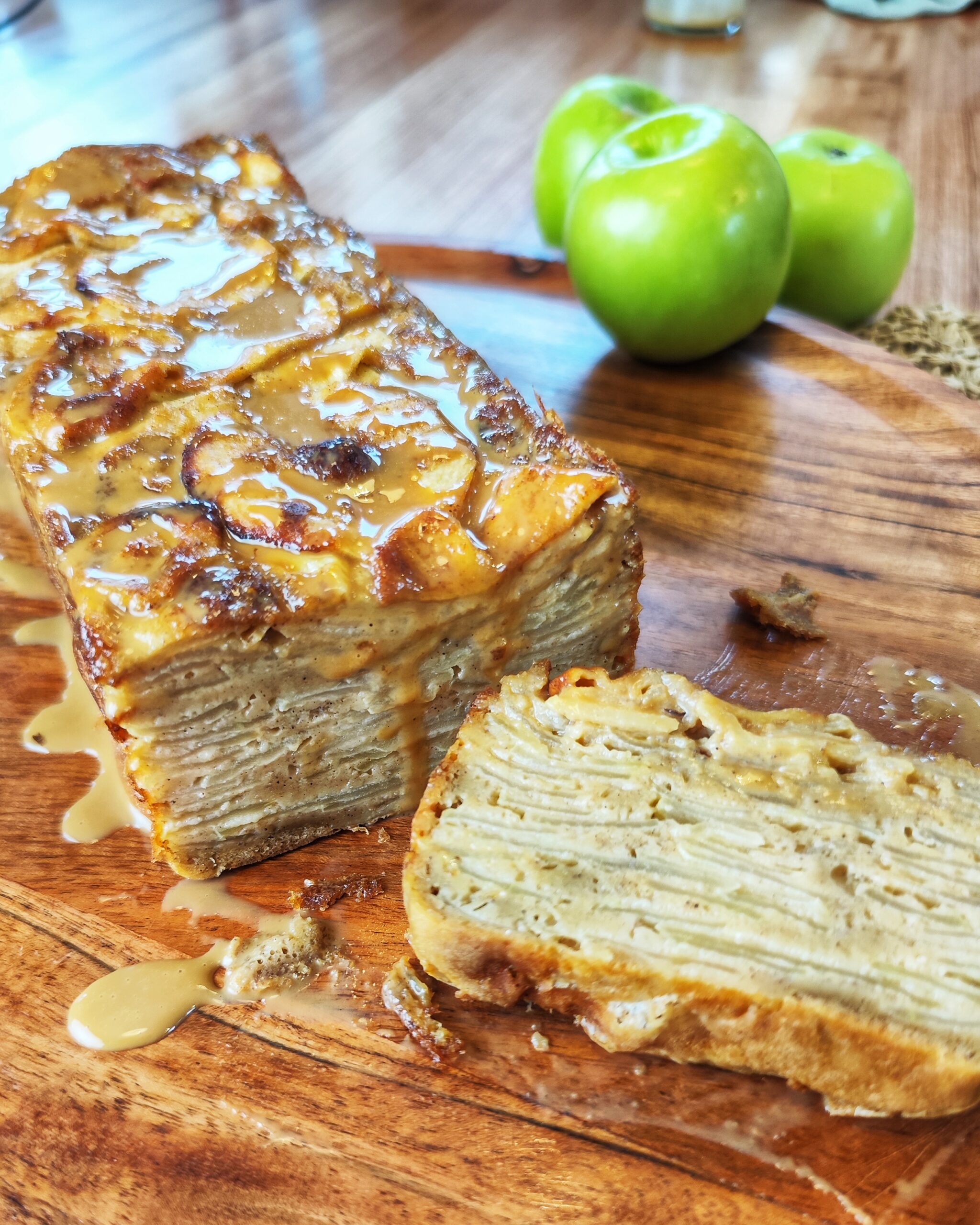
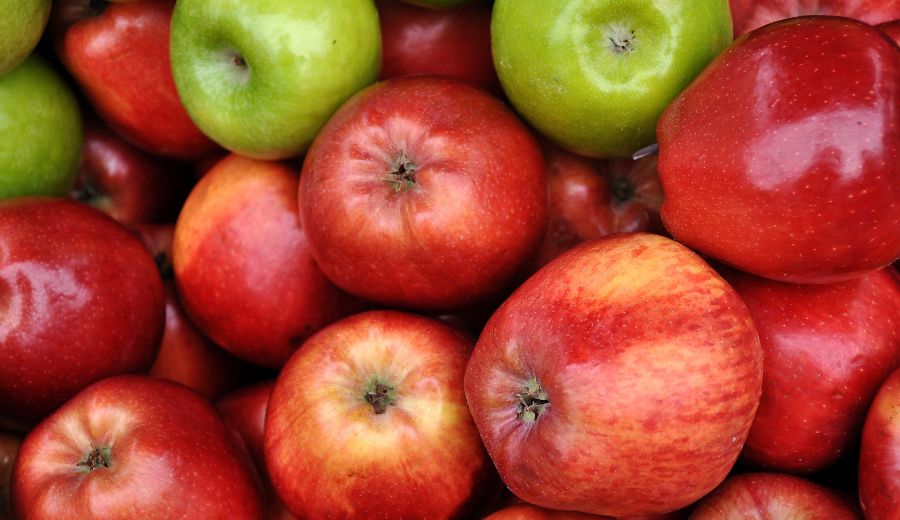
Apples remain at a great price in winter. They last up to 8 times longer if stored in the fridge rather than in the fruit bowl, so if buying a bag of apples make sure you put at least half in the fridge. Grate up apple to use in a coleslaw, make a Waldorf salad with apple, celery and walnuts and add to a devilled sausage casserole. Check out our 8 ways with apples for more great ideas for using them up – and don’t forget you can always use the peels to make your own apple cider vinegar.
What to skip?
Avoid stone fruits like peaches and plums, as they are usually imported and lack flavour. Kiwifruit and pears might be nearing the end of their season and could be more expensive. Look for specials on bananas and pineapple and consider tinned and frozen fruits for treats.