



01 November 2025
Your Senses Are Your Superpower
Many Kiwis take Best-Before dates at face value, and past this date will throw out perfectly good food. New research from Love Food Hate Waste NZ shows over a third (37%) of New Zealanders misinterpret at least one of the two main date labels, and 1 in 8 (12 %) throw out Best Before food without even checking, smelling or tasting it! While you might think that you can’t eat it because the food is unsafe, Best-Before is about quality, not safety. If food passes a quick sensory check, it can often still be eaten safely – saving your whānau money and preventing waste.
Without knowing it, we often judge a food by how it looks, smells and tastes. Take milk as an example. Most of us will smell milk before using it, even within its Best-Before date. In fact, 65% of Kiwis consider how food smells before eating it. As humans, we have evolved to judge food by these senses, to know if it’s safe to eat. By using this powerful tool, we can stop throwing out perfectly good food and reduce our food waste!
“It’s not leftovers that are wasteful, but those who either don’t know what to do with them or can’t be bothered”- Julian Baggini, Philosopher, Author, Journalist
Best Before vs Use By – Know the Difference
- Use By = Safety deadline. Do not eat food after this date.
- Best Before = Quality guide. Food may be safe to eat after this date if it passes a quick sensory check.
- Never taste food that already looks or smells off.
Why should we trust our senses?
Our senses are one of the oldest and most reliable tools we have for judging food safety. Long before date labels existed, people relied on sight, smell, and taste to decide whether food was still good to eat. These instincts are still highly accurate today — mould is visible, sour milk smells unmistakable, rancid fats have a sharp odour, and spoiled food tastes unpleasant. Using your senses is a simple, safe way to judge quality once a food is past its Best Before date. By teaching our whānau to pause, check, sniff, and (if all else is normal) taste, we not only reduce waste but also build everyday confidence in making safe food choices.
Performing a sensory check
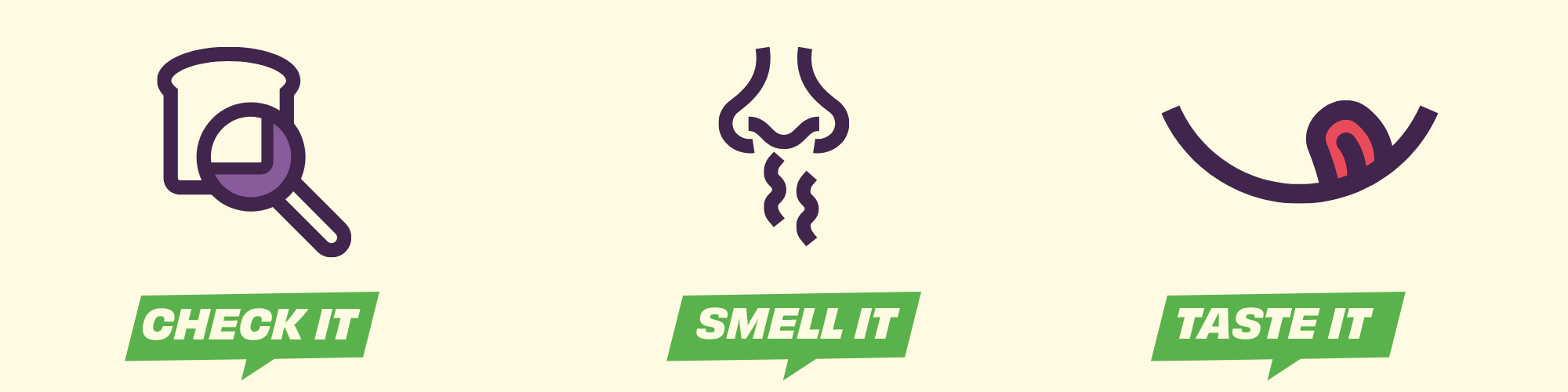
Performing a sensory check is very easy when you know what to do. There are three simple steps:
- Check it – have a look at the food. Do you notice anything out of the ordinary? Is the packaging damaged, or is there mould growing? Look for any changes in colour or texture.
- Smell it – open the food and give a sniff. Does it smell like you expect? Is it unusually tangy, eggy or smell rotten? If it smells “off” then it probably is.
- Taste it – put a small amount on a spoon and give it a taste. Do you want to spit it out straight away? Is it bitter, tangy or rancid? You can find out very quickly with taste if something is spoiled.
If it looks, smells and tastes fine, then you’re good to go and the food is safe to eat.
Sensory Checks in Action:
Canned foods
Canned foods last a very long time. If stored in a cool, dry place, cans with Best-Before dates should last for years.
Use your senses: Check the can for deformities before opening. Rust, sharp cuts or bulging of the can are key signs of spoilage. When opening, ensure the smell and taste are normal.

Frozen foods
Like canned foods, frozen foods last a very long time if they have been properly frozen for their lifetime.
Use your senses: Freezer burn (looks like the product has dried out) and ice crystals are not harmful, although they may reduce the food’s quality. Once defrosted, an unusual smell or taste likely means the product should be discarded.
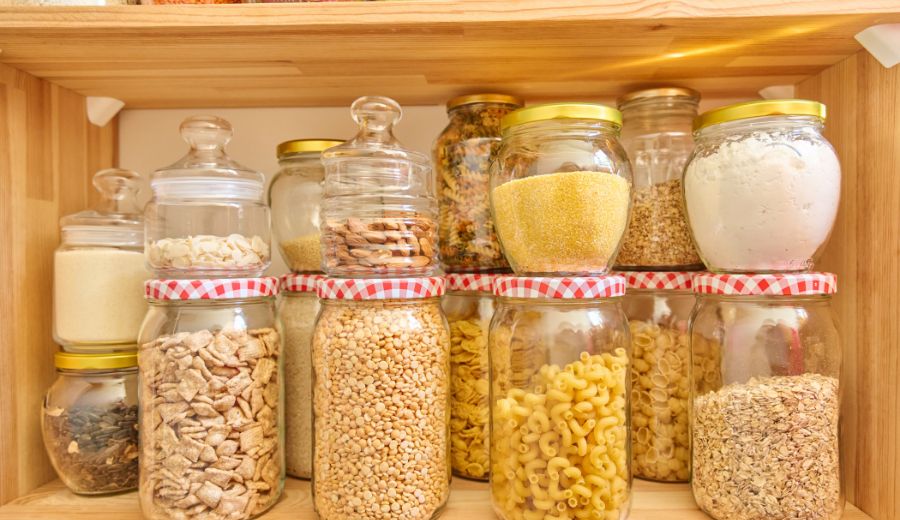
Pantry staples (rice, dried pasta, flour, etc.)
If these products are stored correctly, in a sealed container, in a dry, dark and cool place, they will last for years.
Use your senses: Some insects can infest these foods, so check for small bugs or moths. If moisture has migrated into the food, they can start to grow mould or start to smell off. Otherwise, they will be perfectly safe to use.
Ham, salami and other deli meats
Depending on the water content, these foods can last for various periods of time if they are unopened. Generally, once they are open, they should be eaten within days.
Use your senses: With more wet foods, like ham, luncheon and non-cured salamis, look for slime and off-colours. These shouldn’t be eaten. Whereas for hard salamis, mould growth is common. Since they are so dry, this mould can just be cut off, and the salami can be eaten.
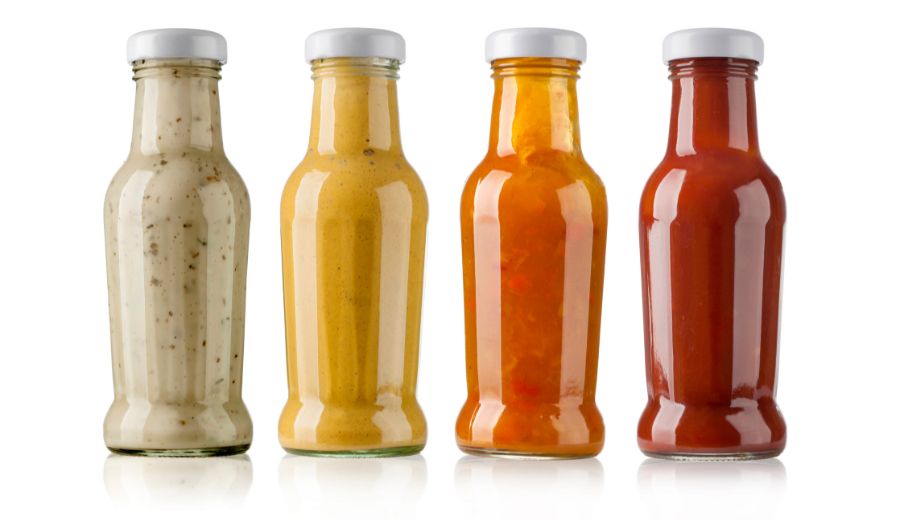
Sauces, simmer sauces and other condiments
If kept sealed and stored in a cool place, these can last past their Best-Before dates. Once opened, these should be refrigerated and kept for days or weeks (depending on package instructions)
Use your senses: Sauces, unopened, in the pantry might separate. They are perfectly safe to eat and just need to be shaken. Like with cans, check for any defects in packaging. Once opened, if they smell and taste fine, they should be good to eat.
Eggs
Eggs can sometimes last weeks longer than their Best-Before date.
Use your senses: Ensure the eggs are crack-free. A float test can then be a great way to tell if your eggs are good or not. Just gently drop them in a glass of water; if they sink, they’re likely still good, if they float, they’re probably bad. This isn’t foolproof, though and cracking the egg open and smelling it is the best strategy. Spoiled eggs have a very characteristic sulphurous, rotten smell.
Bread
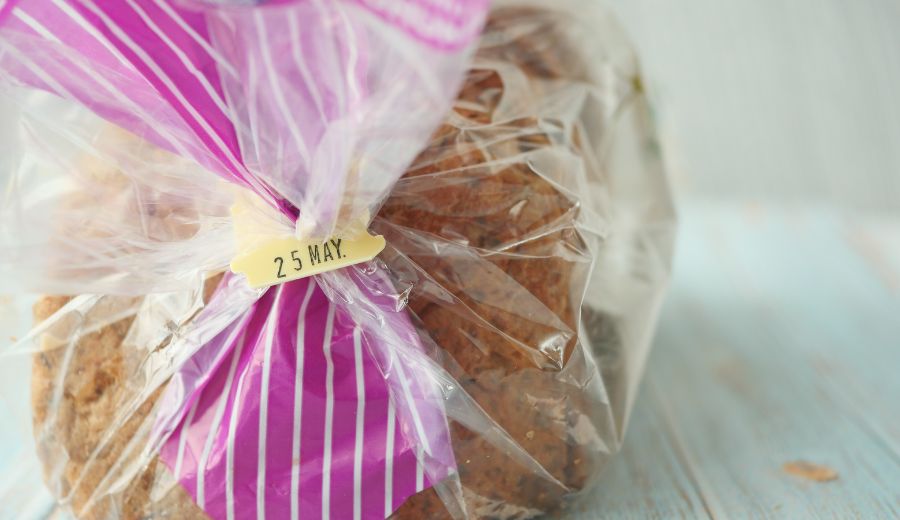
A lot of bread is wasted. While it doesn’t last for long, it can be good for a several days after the Best-Before. Bread that’s been frozen is safe to eat well past its original Best-Before date, as long as it’s been kept continuously frozen. For the best taste and texture, use it within 3 – 6 months.
Use your senses: Mould is the key. When opening a bag of bread, a musty, mouldy smell, can mean there’s mould growing without even seeing it. Even a small amount of mould means the bag is unsafe to eat, as it can spread easily throughout. This can be presented as green or white dots on the bread. Stale, dry bread is fine to eat and can be toasted to bring it back to life.
Milk
Milk can also last for days after the Best-Before, unless it has been kept out in the counter.
Use your senses: Smelling it is the best indicator of whether it’s good to use. It should be fresh and not rancid or sour-smelling. Clumping also means it has spoiled, as it’s on its way to becoming cheese!
Yoghurt
Yoghurt can last for a while past its Best-Before date.
Use your senses: Yoghurt can start to get tangier over time and separate. Both are perfectly fine. Once it starts to smell very cheesy or mould spots form, it should be discarded. Red or orange spots can indicate yeast or unwanted bacteria growth and should not be eaten.
Cheese
Cheese should last the longest out of all dairy products if stored correctly, by wrapping tightly back in its packaging or with a cheese cloth.
Use your senses: If cheese dries out slightly, it’s perfectly fine. Mould growth is fine, depending on the type of cheese. Hard cheeses (blocks of cheddar or parmesan) can be eaten with the mould removed, by cutting off 2cm from the mould. Soft cheeses (feta or mozzarella) should not be eaten if mould is growing. Cheeses with natural mould (like blue cheese, Camembert, or Brie) are safe to eat as long as the mould is normal for that type:
- Camembert and Brie: the white rind is edible and expected. Discard the cheese if you see blue, green, or black mould inside.
- Blue cheese: the blue or green veins are normal, but throw it away if you notice unusual colours (pink, brown, black), a sour or rotten smell, a slimy or unusually dry texture, or a bad taste.
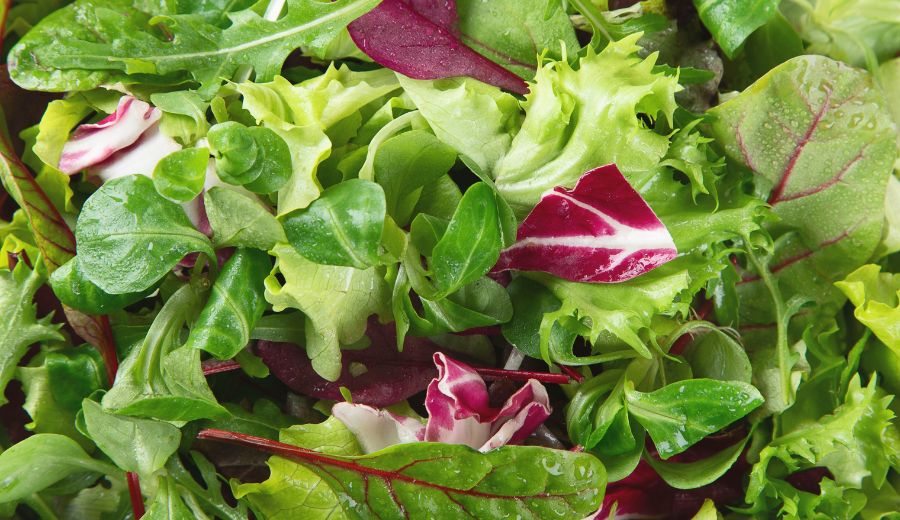
Bagged salads, vegetables and fruits
Many packaged salads, fruits or vegetables have short shelf lives but can often be eaten after the Best-Before date if stored correctly (…in the fridge).
Use your senses: Some bagged salads, such as baby spinach and mesclun salad, have use-by dates which should be followed. These foods are considered high risk as they are eaten raw, provide a favourable environment for harmful bacteria, and can contain dangerous microbes without any obvious signs of spoilage. If the leaves wilt or dry out within this date, they should still be safe to eat. Fruits and vegetables past their best-before date can often be eaten after the date, as long as they haven’t grown mould, turned slimy, or started to smell rotten.
Take Action Today:
Set Up an Eat Me First Shelf: A simple trick to make sure you don’t forget to eat food before it goes off is to create an ‘Eat Me First’ shelf in your fridge or pantry:
- Place items nearing their date or already opened here, at eye level.
- Add a note with ‘use me by date’ or use our FREE reusable Eat Me First stickers.
- Do a quick sweep before you meal plan and create your shopping list.
Use our FREE resources: Download our poster or take our quiz with friends and whānau. They’re both great tools to help you feel confident trusting your senses, save money, and keep perfectly good food out of the bin.
Next time you’re throwing food out past its Best-Before, remember, your senses are the best food safety tool you own! Check it, Smell it and Taste it, so that less food goes to landfill! For quick science-based guidance on common food quirks and what to look out for, visit Eat or Toss.
Teaching your whanau these three steps can help put confidence back in our food decisions and ultimately eat more safely, with less food waste.
Article written by Steffi Thomas & Maxwell Nally
Steffi Thomas is a distant PhD. student in Food Science at the University of Otago, based in New Zealand Institute for Bioeconomy of Science Ltd., Plant and Food Research institute, Auckland. With a background in Microbiology and Biotechnology, her research focuses on innovative ways to improve food safety and reduce waste in food systems. Passionate about sustainability and science communication, she enjoys sharing practical insights that help people value food and make the most of it.
Maxwell Nally is a PhD. student in Food Science at the University of Otago, where he’s been studying for the past five years. Max’s research interests revolve around flavour, microbes, and fermentation. Outside the lab, Max has a love for cooking and training for triathlons.