
Explore ways to reduce waste and save money
Plan
Portion
Eat with the seasons
Maximising your fridge and freezer
Store smart
A-Z Storage guide
Know your dates
Preserve
Love your leftovers
Making the most of what you’ve got
Don’t just eat it – compleat it!
Beyond the kitchen
Order Eat Me First stickers
Globally, around one-third of all food produced is wasted across the supply chain -equivalent to approximately 931 million tonnes each year. This waste has significant consequences: an area of land larger than China is used annually to grow food that is never eaten. At the same time, nearly one in three people worldwide face food insecurity. Producing this wasted food contributes an estimated 8–10% of global greenhouse gas emissions, making food waste a major driver of climate change.
In Aotearoa, 30% of all food waste comes from households, costing the country over $3 Billion each year or around $1,364 per household. It is equivalent to each household throwing away 32kg of avoidable food waste every year, which would be enough to feed the population of Dunedin or Northland for 3 years. Food Waste in Aotearoa’s landfills generate 9% of the country’s methane emissions.
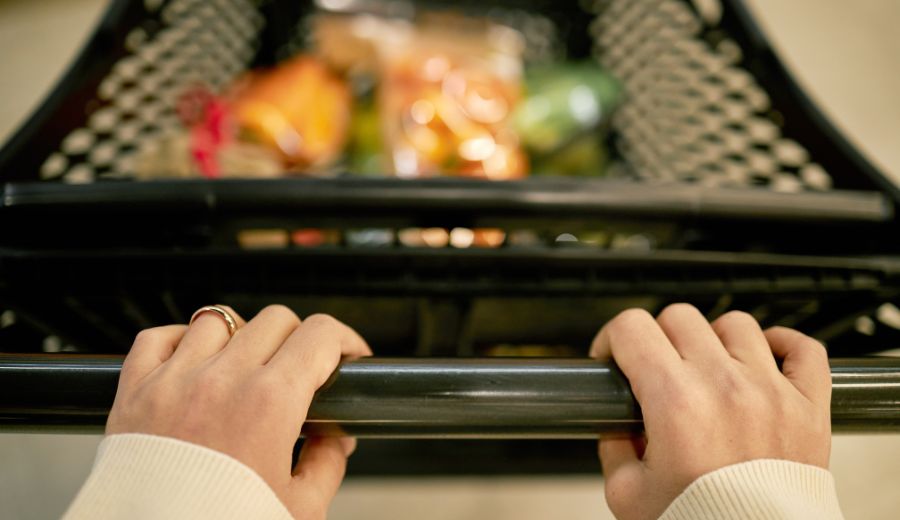
According to scientists at the Project Drawdown, reducing food waste in our homes is the single most impactful action each of us can take to tackle the climate crisis. With the equivalent of three shopping trolleys worth of kai ending up in the bin every year, per household, it is time to take action. With just a few simple changes, you can save food, money and the planet.
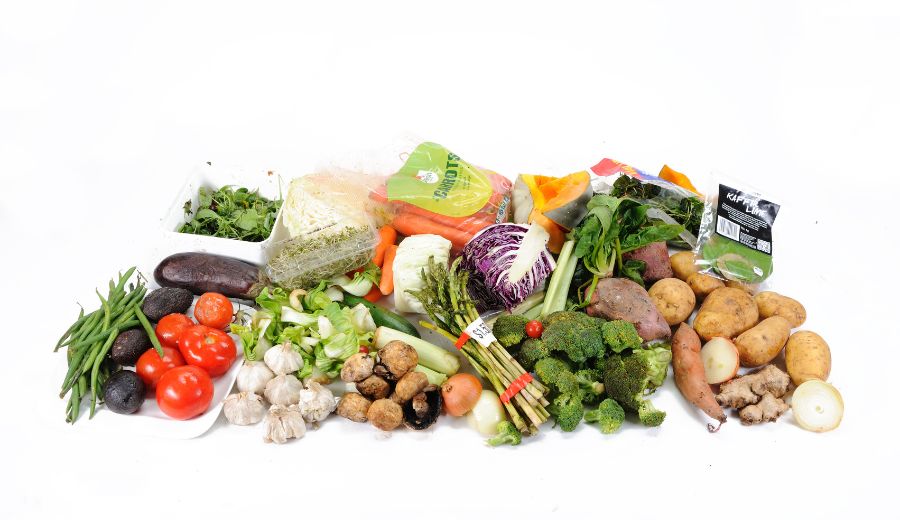
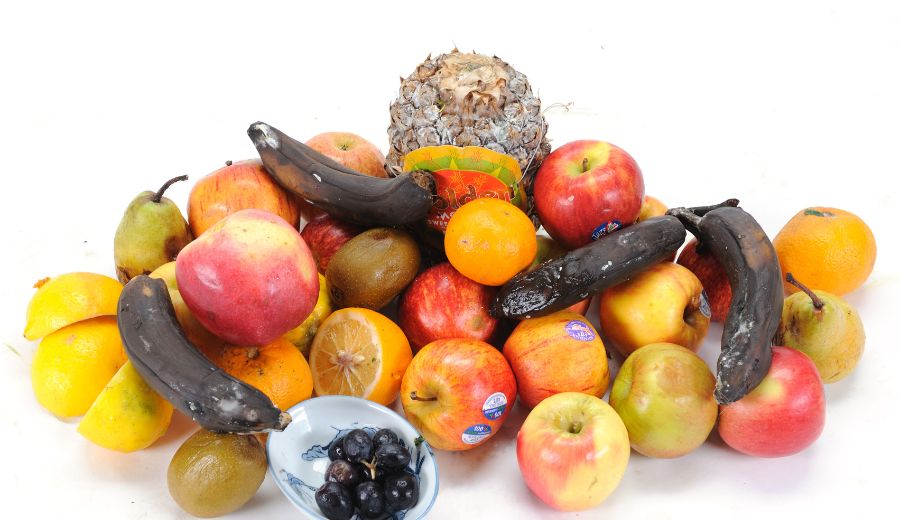
Top wasted food items based on the Rabobank–Kiwi Harvest Food Waste Survey.
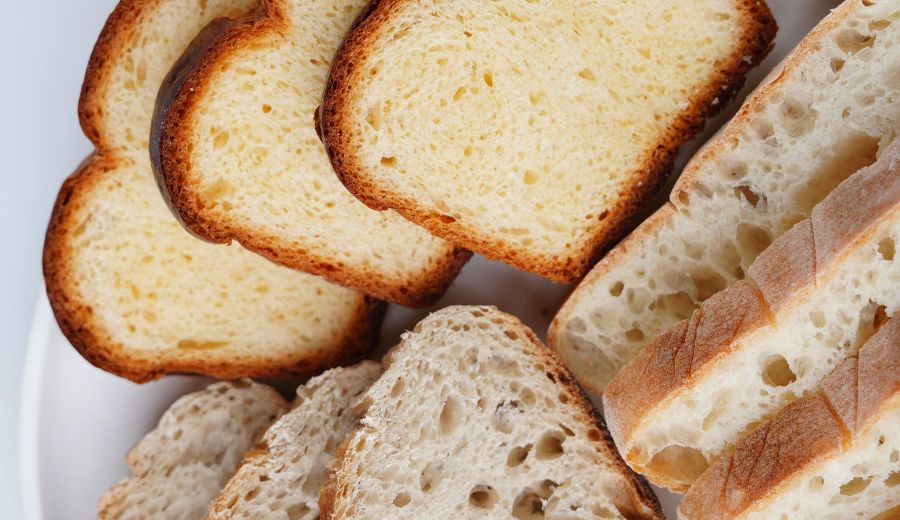



Top reasons we waste food based on the Rabobank–Kiwi Harvest Food Waste Survey.