




What fruit and veggies are cheaper and in season in spring?
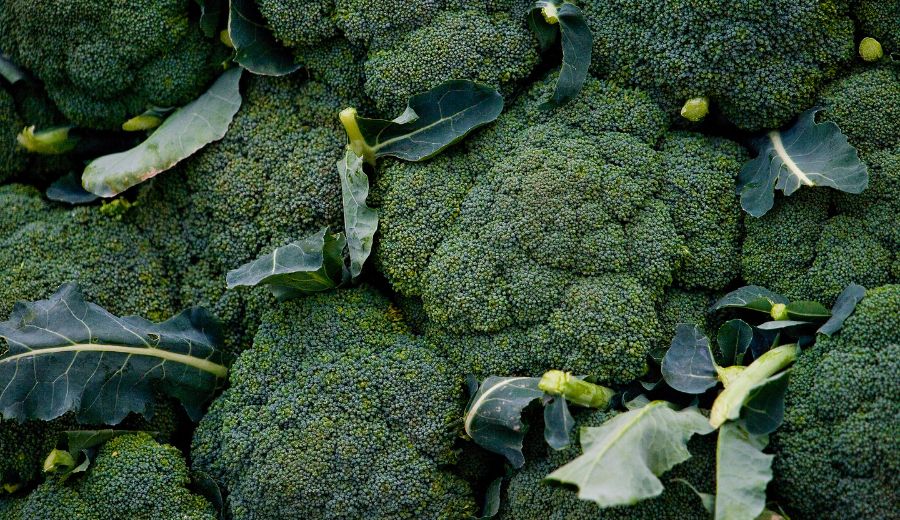
With our supermarkets displaying some produce all year round it can be a challenge to know what’s cheap and in season in spring. The good news is that in late spring many of our favourite vegetables such as broccoli and cauliflower get really cheap. The bad news is that once the citrus season comes to an end, there is a dearth of seasonal fruit until strawberries come into season in mid-November.
So, which Spring produce offers the best value and versatility?
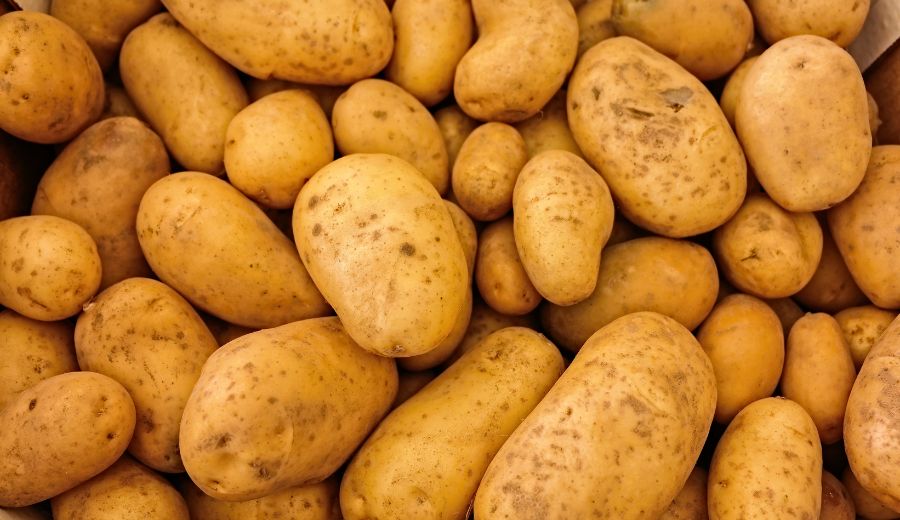
Potatoes
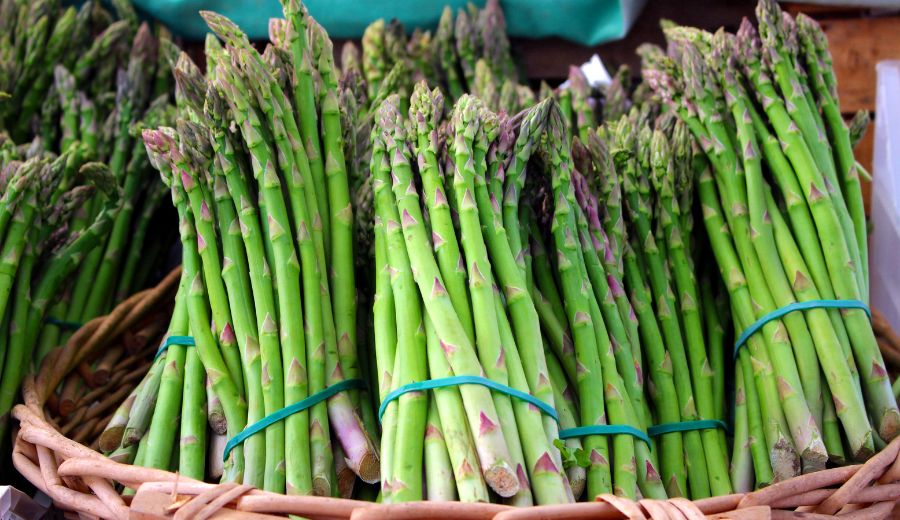
Asparagus
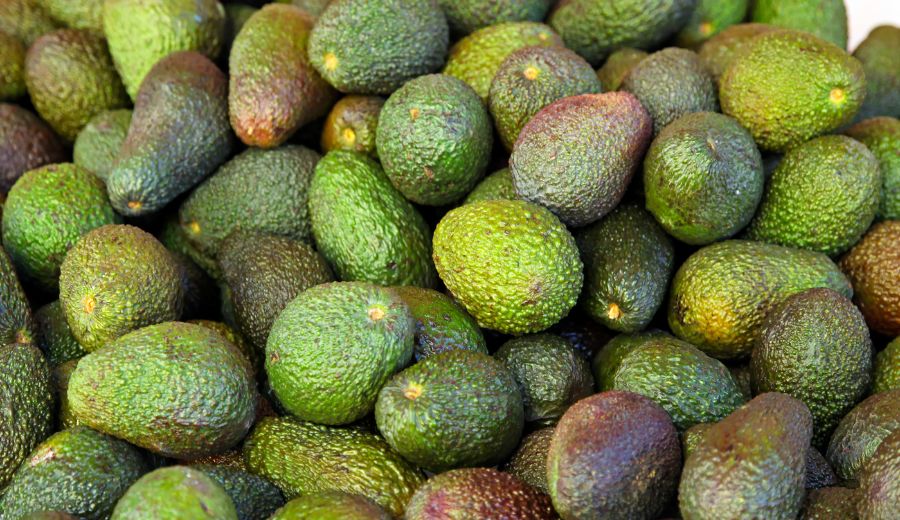
Avocadoes
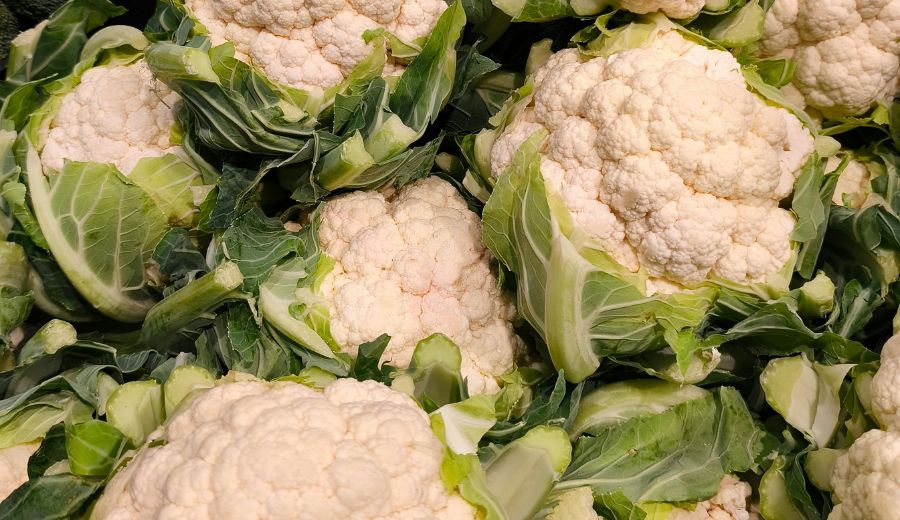
Cauliflower
Celery
Strawberries
Lemons
Broccoli
Vegetables: storage and recipe ideas
Asparagus
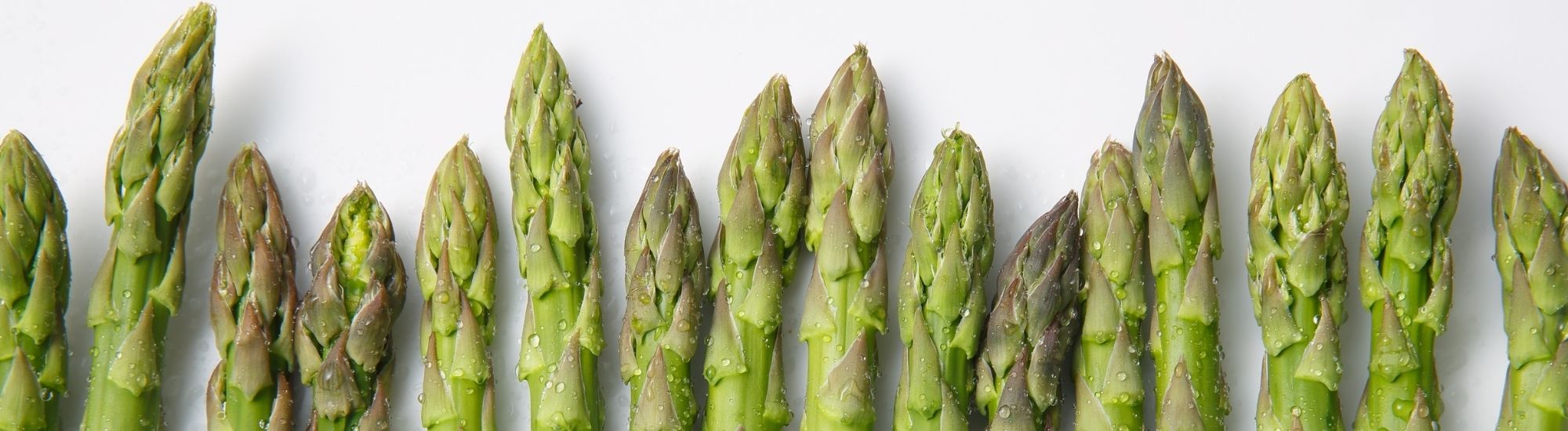
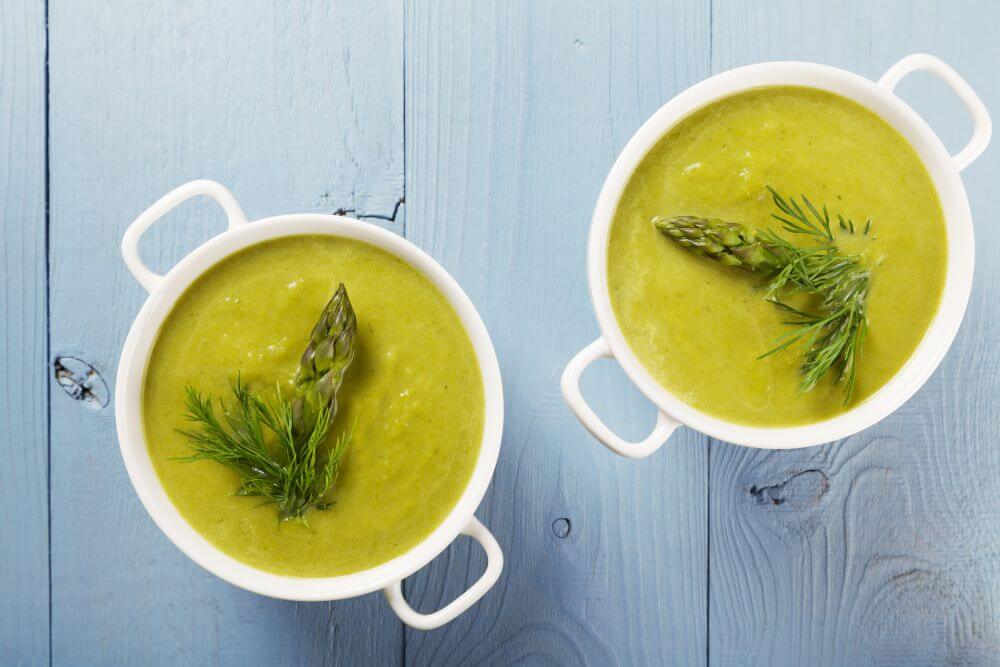
Even though it’s never the cheapest vegetable, asparagus is only in season once a year, so make the most of it. Add it to salads, eat it on its own or make asparagus rolls (don’t forget to use those crusts though). If you are feeling adventurous, try making asparagus stalk pesto. To keep asparagus fresh for longer, store it in the fridge with the ends trimmed and standing upright in a glass with a little water, like a bunch of flowers, or wrap the ends in a damp paper towel.
Avocados
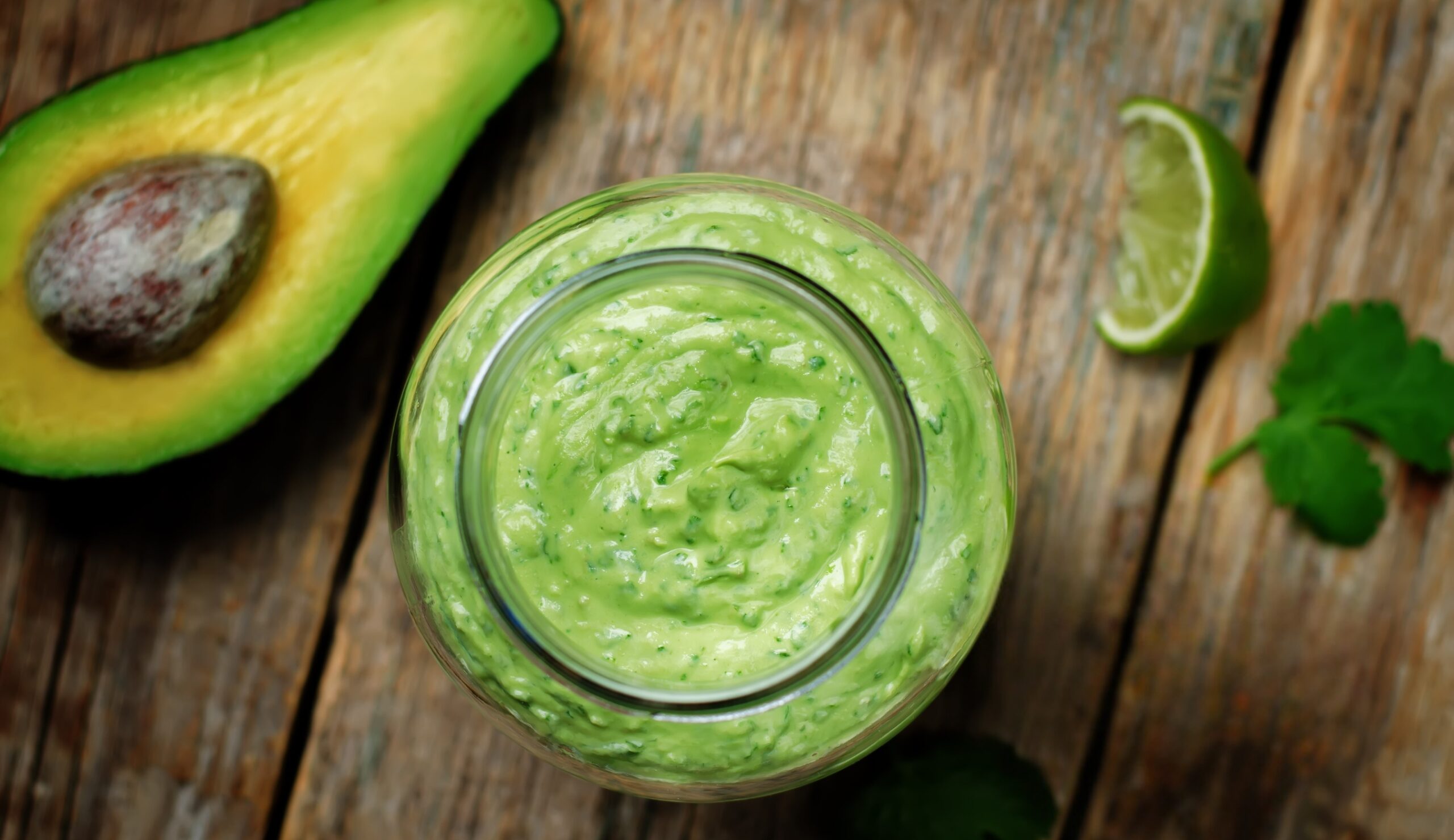
Spring is also the cheapest time of year to buy avocados. To ripen avocados, place them in a paper bag with bananas. The bananas will release ethylene which helps them ripen faster. Once they have reached the correct level of ripeness, store them a fridge. You can also freeze avocados if you plan to use them later on in smoothies or baking. Check out the best way to store half eaten avocados here. Avocados are also great tossed through salad, blended in smoothies or into chocolate mousse, churned into healthy ice creams with berries, baked into cakes and brownies, as well as a filling in savoury pancakes, wraps, and sandwiches.
Cauliflower
In late spring cauliflower comes down in price. You can eat the leaves and the stalk. Blitz them up and make cauliflower rice. That way you can get two meals out of one cauliflower. Check out our 8 ways with cauliflower blog for more ideas. To keep cauliflower fresh for longer, store it in the fridge in a breathable bag or container. If you have extra, cauliflower freezes well, simply cut into florets, blanch briefly, then cool and freeze in portions ready to add straight into cooked dishes.
Celery
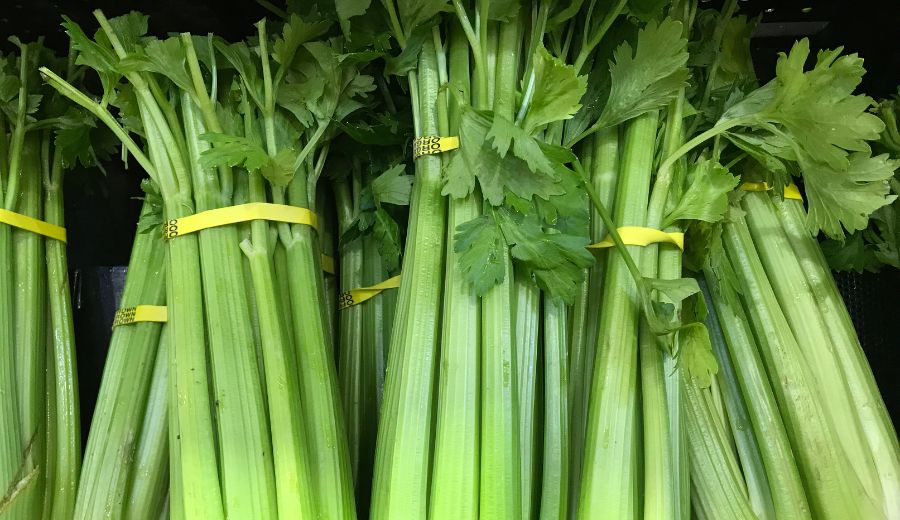
Celery is also good value, especially if you use the whole plant, including the leaves. The leaves can be added to salads, stirred through soups, or used in place of parsley in dishes like tabbouleh, while the stalks add flavour and crunch to soups, stews, and stir-fries. If your celery starts to wilt, you can revive it by trimming the ends and placing it in a bowl or glass of cold water in the fridge for a few hours. To keep celery fresh for longer, store it in the fridge wrapped in a damp tea towel. If you have extra, slice and freeze it for later use in cooked dishes like soups and casseroles, or dry the leaves to make celery salt, which pairs well with salads, tomato-based dishes, and roast pork.
Potatoes
New season potatoes make their arrival in supermarkets in spring. They are delicious baked, mashed, roasted, or boiled. Store them in a cool, dark pantry away from onions to extend their shelf life. If they sprout, just cut off the sprouts. Avoid green potatoes as they can be harmful. You can freeze both roasted and mashed potatoes. Try these twice easy smashed potatoes, potato bombs with leftover mash, or why not try making croquettes? Find more recipe ideas on our 8 ways with potatoes blog.
What to skip?
Summer vegetables such as courgettes, aubergines, peppers and tomatoes will start to come down in price by mid-November so hold off on those till then. Root vegetables such as pumpkin start to get pricier at this time of year.






Fruits: storage and recipe ideas
Strawberries
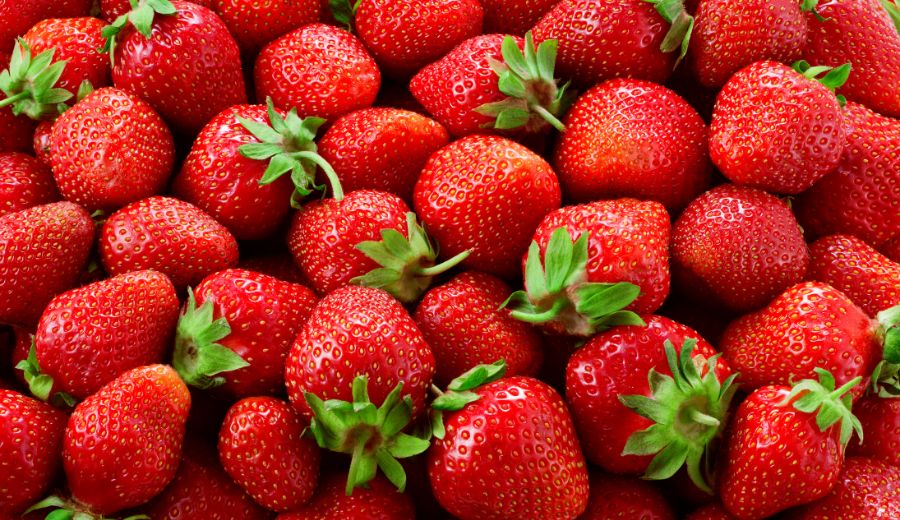
The first strawberries onto the market are usually Australian, so wait a few weeks until you start to see the New Zealand strawberries arrive. The pick your own season doesn’t usually begin until late December. To keep strawberries for longer, try this ‘berry fresh hack’ and store them in the fridge. If they’re starting to soften, freeze them to use up in smoothies and baking, or try this easy one cup jam recipe which only needs three large strawberries.
Lemons and Oranges
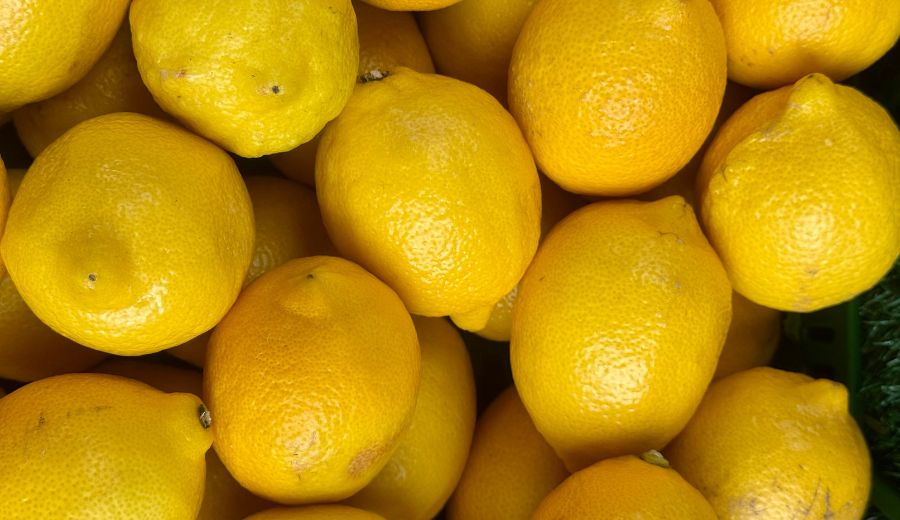
Lemons and oranges are still plentiful in early spring and are a great way to add fresh flavour to both sweet and savoury dishes. Use the juice in dressings, marinades, and drinks, or add zest to baking, sauces, and desserts. To keep citrus fresh for longer, store them in the fridge where they can last several weeks. If you have more than you can use, freeze the juice in ice cube trays for easy portions, and grate and freeze the zest to use later.
Bananas
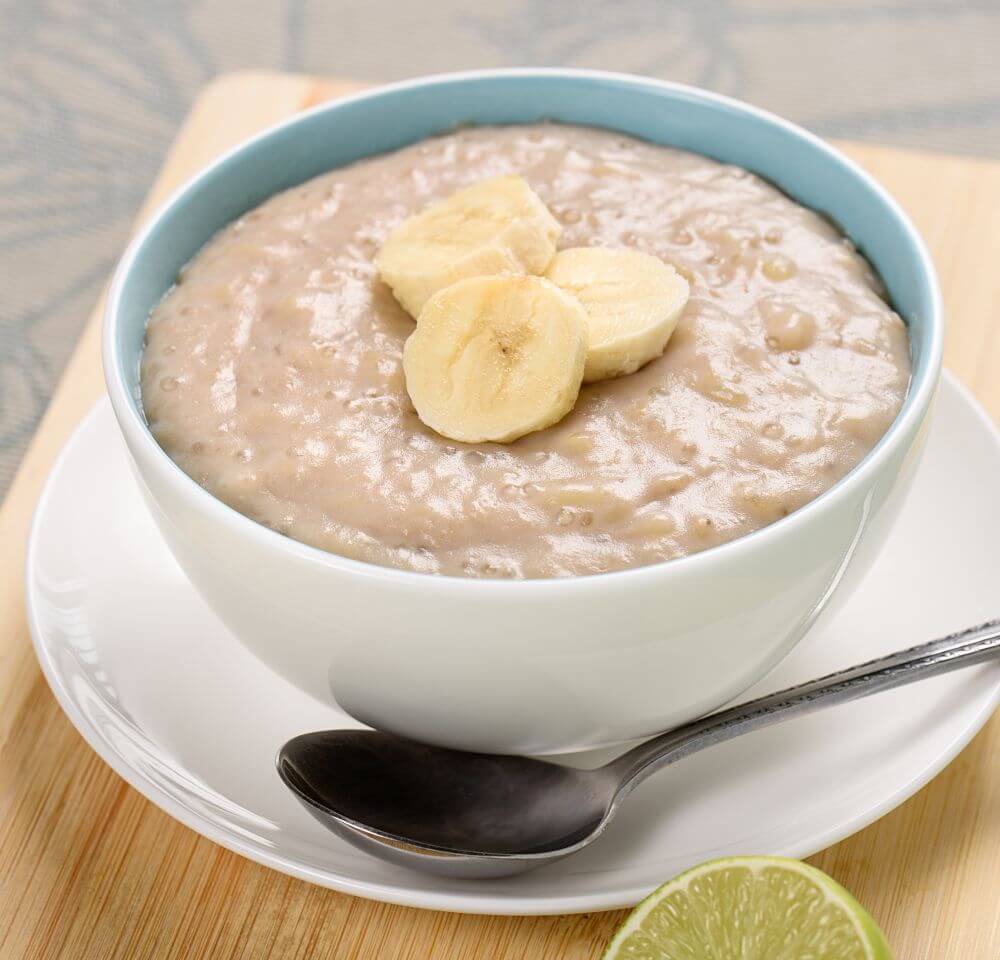
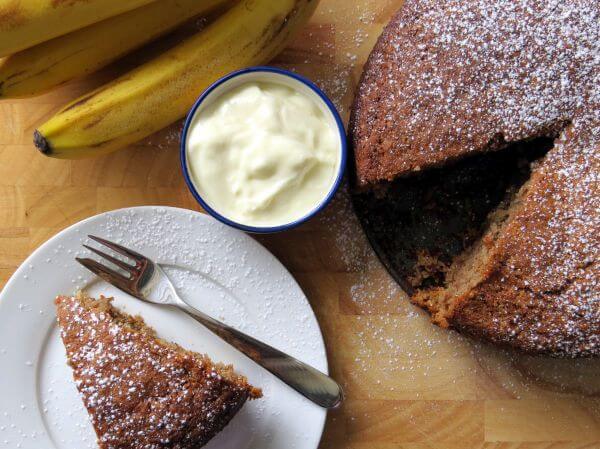
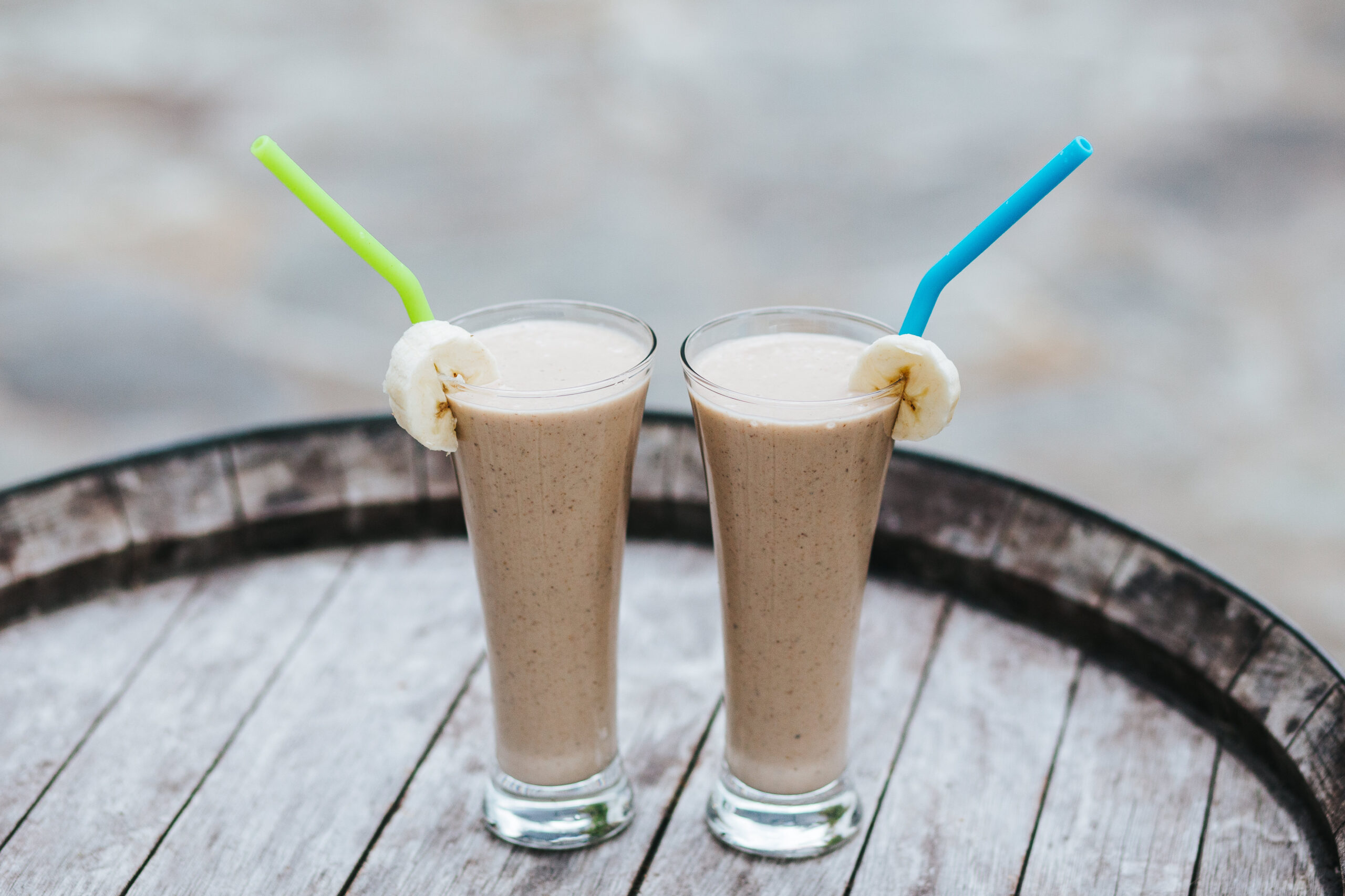
Bananas are a handy fruit to buy at this time of year when seasonal fruit is thin on the ground. Don’t forget to freeze overripe bananas as they can easily be added to cakes and smoothies. Check out our 8 ways with bananas blog and our always controversial 8 recipes using banana peels!
What to skip?
It’s too early for New Zealand stone fruit. Apples, pears and kiwifruit are past their best at this time of year, so choose with care when buying to ensure the apples aren’t floury or the kiwifruit too soft. If you are buying them, store them in the fridge so they will last longer. At this time of year tinned fruit or frozen berries are good options. Look out for when they are on special and stock up.