




What fruit and veggies are cheaper and in season in summer?
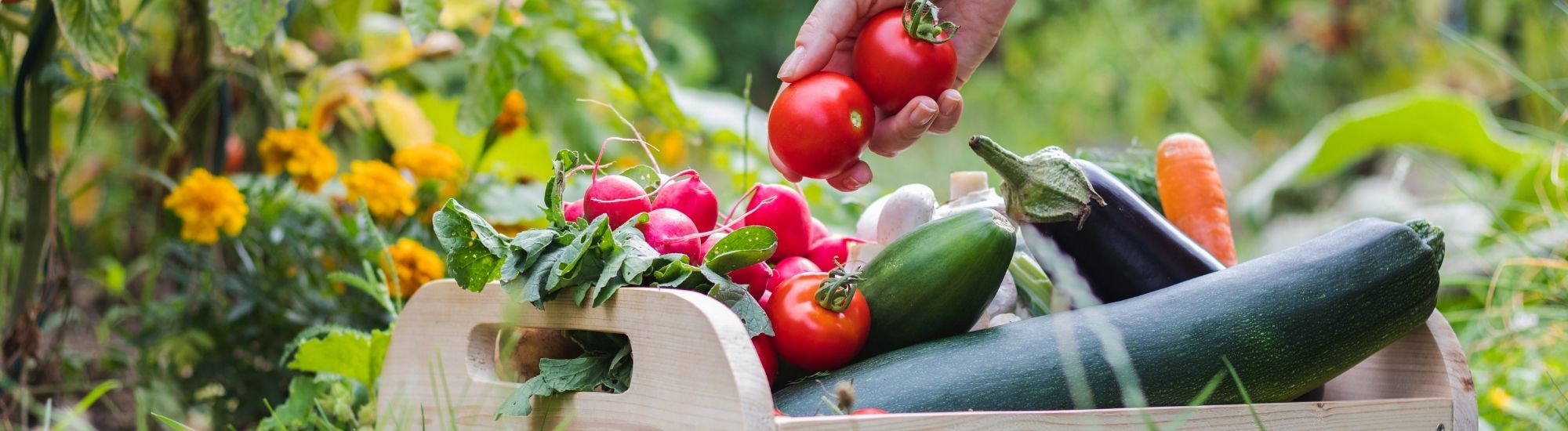
Making the most of seasonal summer produce is an easy way to save money while enjoying fruit and vegetables at their freshest and most flavourful. Summer in-season produce is often more affordable, locally grown, and perfect for barbecues, fresh salads, and lighter meals.
Warmer temperatures can also mean produce spoils faster, so storing it correctly is key to helping it last longer and reducing food waste. Use this guide for simple storage tips and delicious ways to make the most of your summer fruit and vegetables.
So, which Summer produce offers the best value and versatility?
Courgettes
Tomatoes
Sweetcorn
Capsicums
Cucumbers
Stonefruits
Melons
Berries
Radishes
Avocadoes
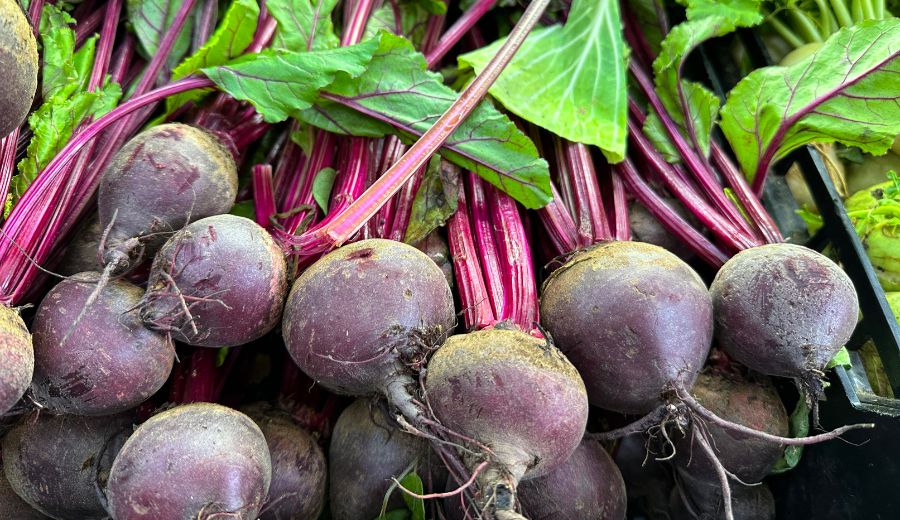
Beetroot
Vegetables: storage and recipe ideas
Cucumbers
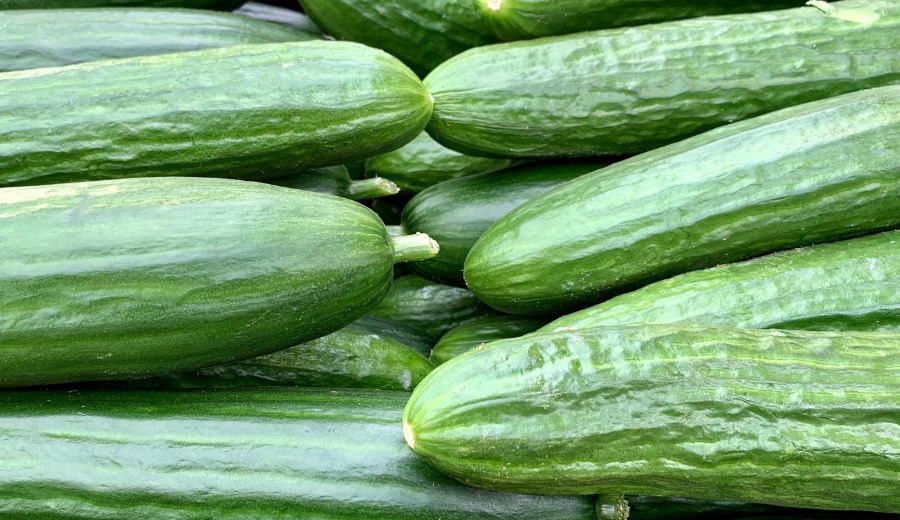
While cucumbers can be purchased year-round, they’re at their cheapest in this season and often available on multi-buy specials. They’re great eaten fresh in a Greek salad, tossed through a chicken noodle salad, or added to a tomato and cucumber salsa. Cooling and refreshing, cucumbers can also be blended into smoothies or turned into sorbets, or used to make tzatziki or a creamy cucumber and avocado dip for platters, sandwiches, and wraps. To keep cucumbers fresh for longer, store them in the fridge, ideally in the crisper drawer. If you have extra, pickling is a great way to extend their shelf life and keep them crunchy.
Capsicums
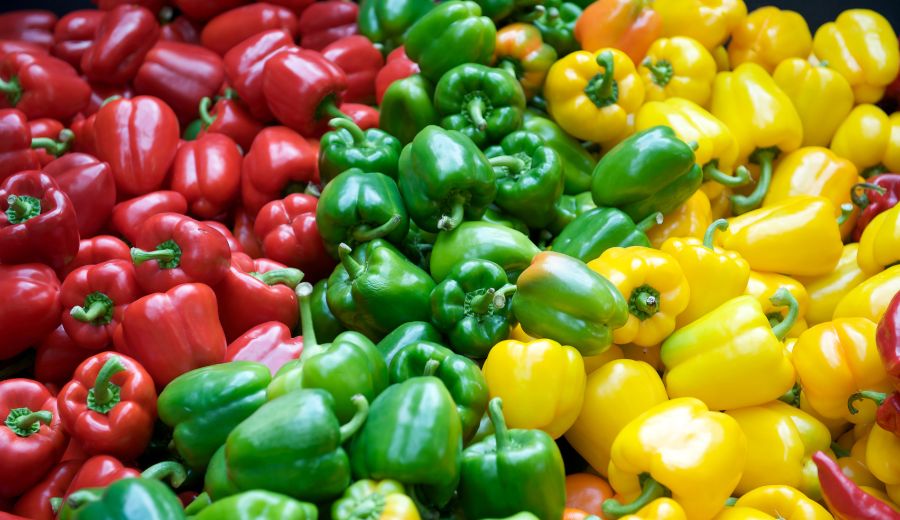
Colourful and crisp, capsicums are best to buy in summer. Roasting capsicums intensifies the sweet flavours of the pepper and are tasty on antipasto platters, in dips, mixed through pasta, or as a pizza topping. To keep capsicums fresh for longer, store them whole in the fridge crisper drawer and avoid washing them until you’re ready to use. If you have extras, capsicums freeze well, simply slice or dice them, remove the seeds, and freeze in portions ready to add straight into cooked dishes. They can also be preserved in a jar with oil and vinegar, so you can enjoy capsicums throughout the year.
Courgette
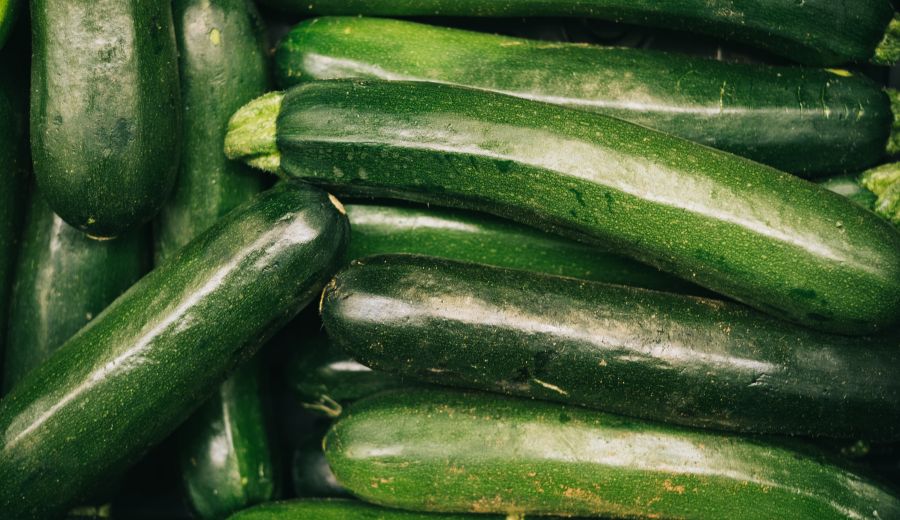
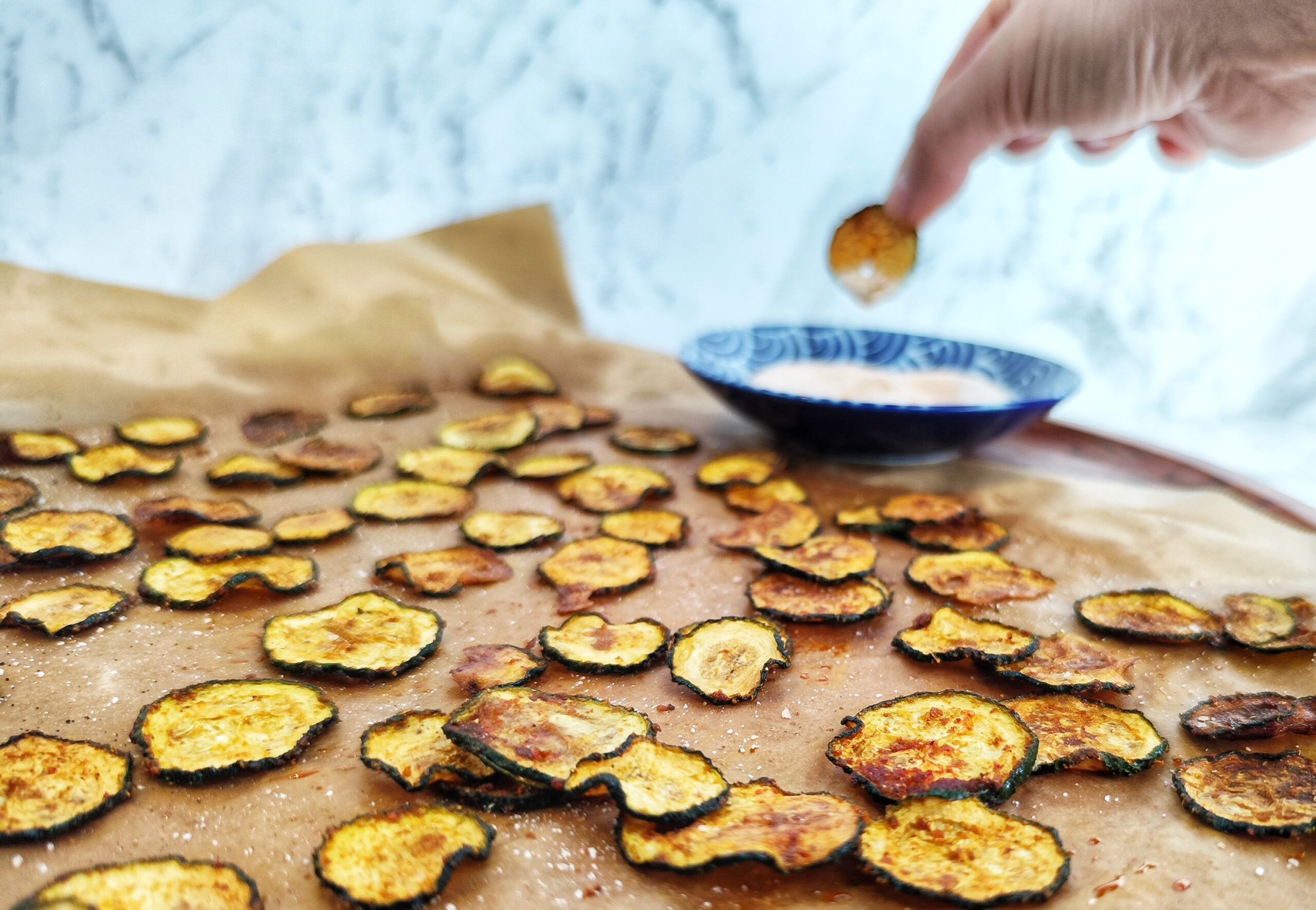
Grill on the barbecue, stir fry with your favourite vegetables and sauces, or roast them seasoned with oil and herbs and spices. You can also turn it into creamy dip, or bake it into a delicious chocolate cake. Make sure to store courgettes in the vegetable drawer in the fridge to keep them fresh. It is best to cook courgettes before freezing them. Check out our 8 ways with courgettes for more ideas.
Tomatoes
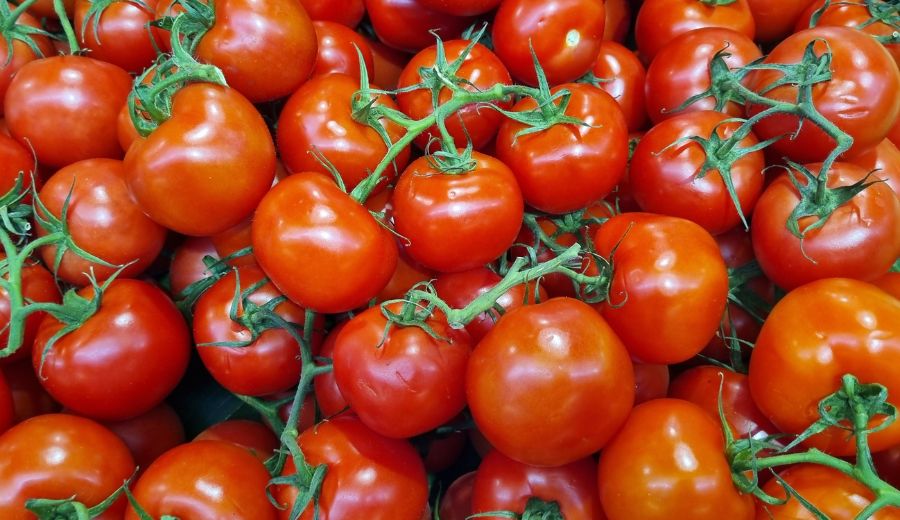
Available in large quantities and a range of varieties, tomatoes are best bought in summer. The fridge is the best place to store tomatoes and keep them fresh for longer. If you plan on eating the tomatoes that day you can bring them out of the fridge for best flavour. When tomatoes are cheap it is the time to make chutneys, tomato passata, and other sauces. For more ideas check out our 8 ways with tomatoes blog.
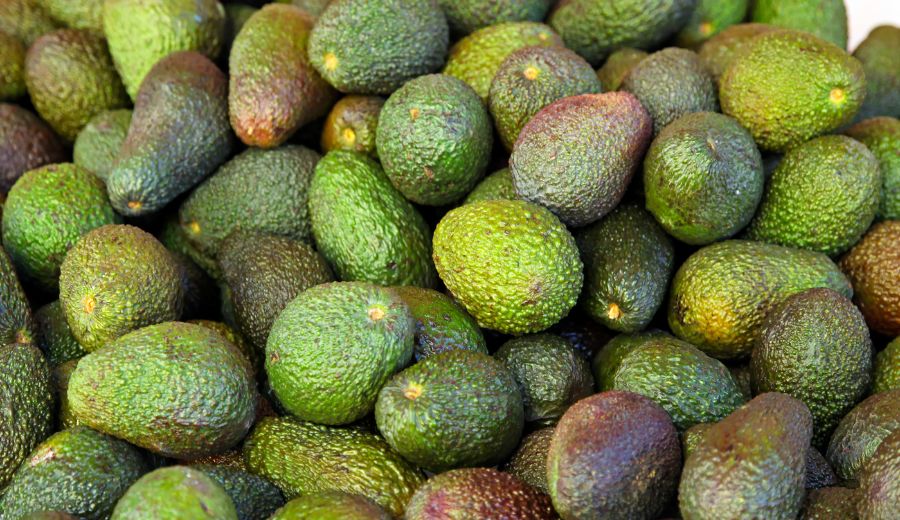
Avocado
The creaminess of avocados makes them perfect in a variety of dishes, desserts, and drinks. A classic favourite smashed on toast, or into guacamole. Avocados are also great tossed through salad, blended in smoothies, churned into healthy ice creams with berries, baked into cakes and brownies, as well as a filling in savoury pancakes, wraps, and sandwiches. Once cut avocados will start to turn brown, check out our guide on the best way to store your cut avocado and freeze excess avocados so they stay fresher for longer.
Sweetcorn
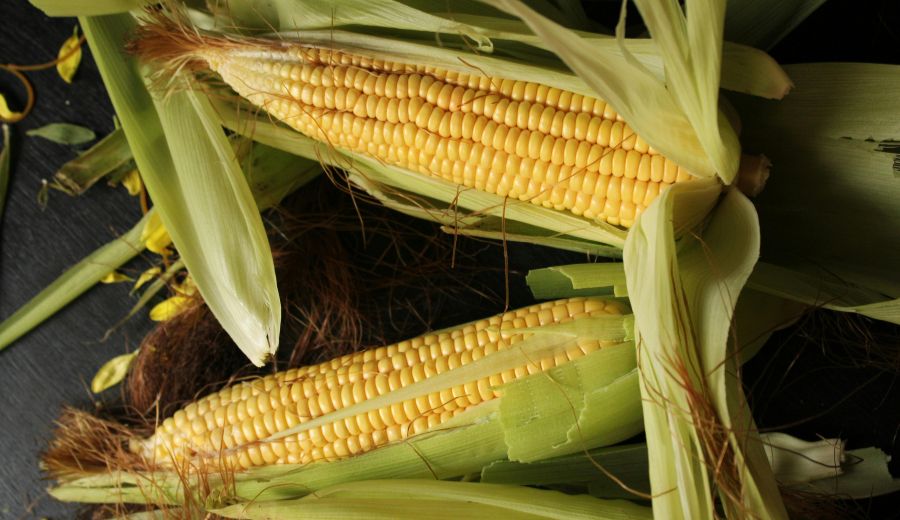
A crowd favourite for flavour and price in summer it can be easy to suddenly have a lot of sweetcorn. Make sure you keep the corn in their husks and store them in the fridge to make them last longer. Before freezing, cook them on the cob or cut the corn kernels off the cob and store them inside a resealable bag, and reheat by boiling or steaming, or just add to soups or stir frys. As an alternative, sweetcorn croquettes or sweetcorn ribs are sure to be a hit with family and friends.
What to skip?
While summer brings plenty of fresh, affordable vegetables, some winter vegetables are out of season and can be more expensive or lower quality. Root vegetables like parsnips and swedes, along with brassicas such as cabbage and cauliflower, may still be available but often won’t be at their best value or freshness. Instead, make the most of summer’s lighter, fresher options and build meals around what’s abundant to save money and reduce waste.








Fruits: storage and recipe ideas
Stonefruits
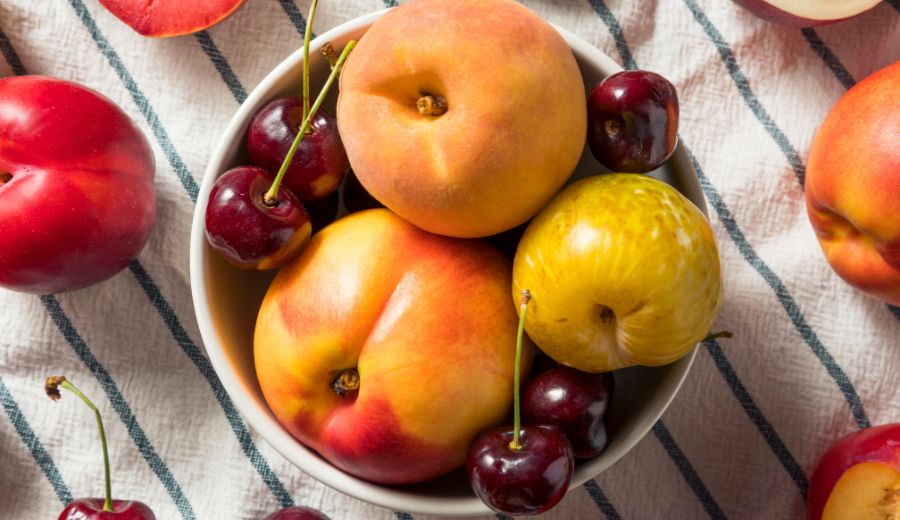
Stone fruits can be spotted in shops as early as late spring to autumn, peaking in summer. Nectarines, cherries, plums, peaches, and apricots are harvested at different times throughout these months. Juicy and refreshing, fresh stone fruits are tasty snacks, great in fruit salads, trifles, or toppings on pavlova. Cooking stone fruits in cake, or in pies, galettes, and tarts are terrific ways to use up large quantities of fruit. When you have a tree full of stone fruits, bottling, and preserving to make a compote or jam is an excellent way to keep them.
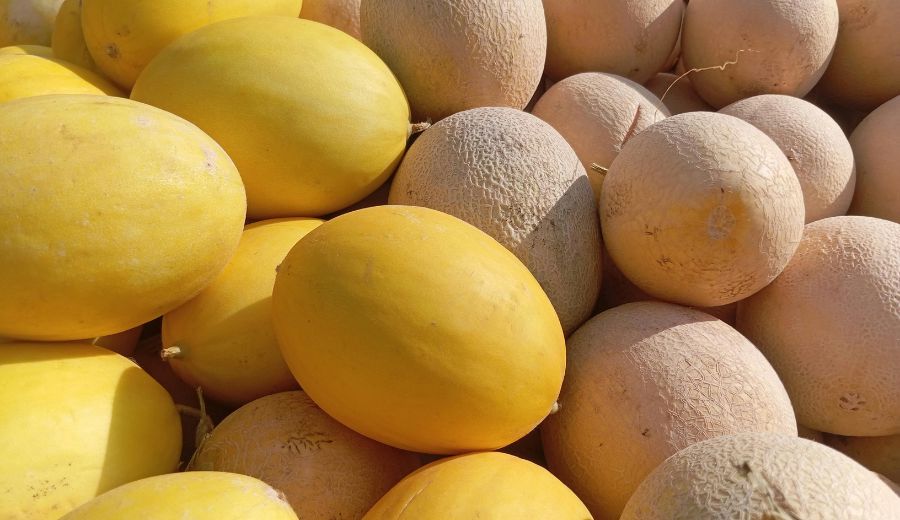
Melons
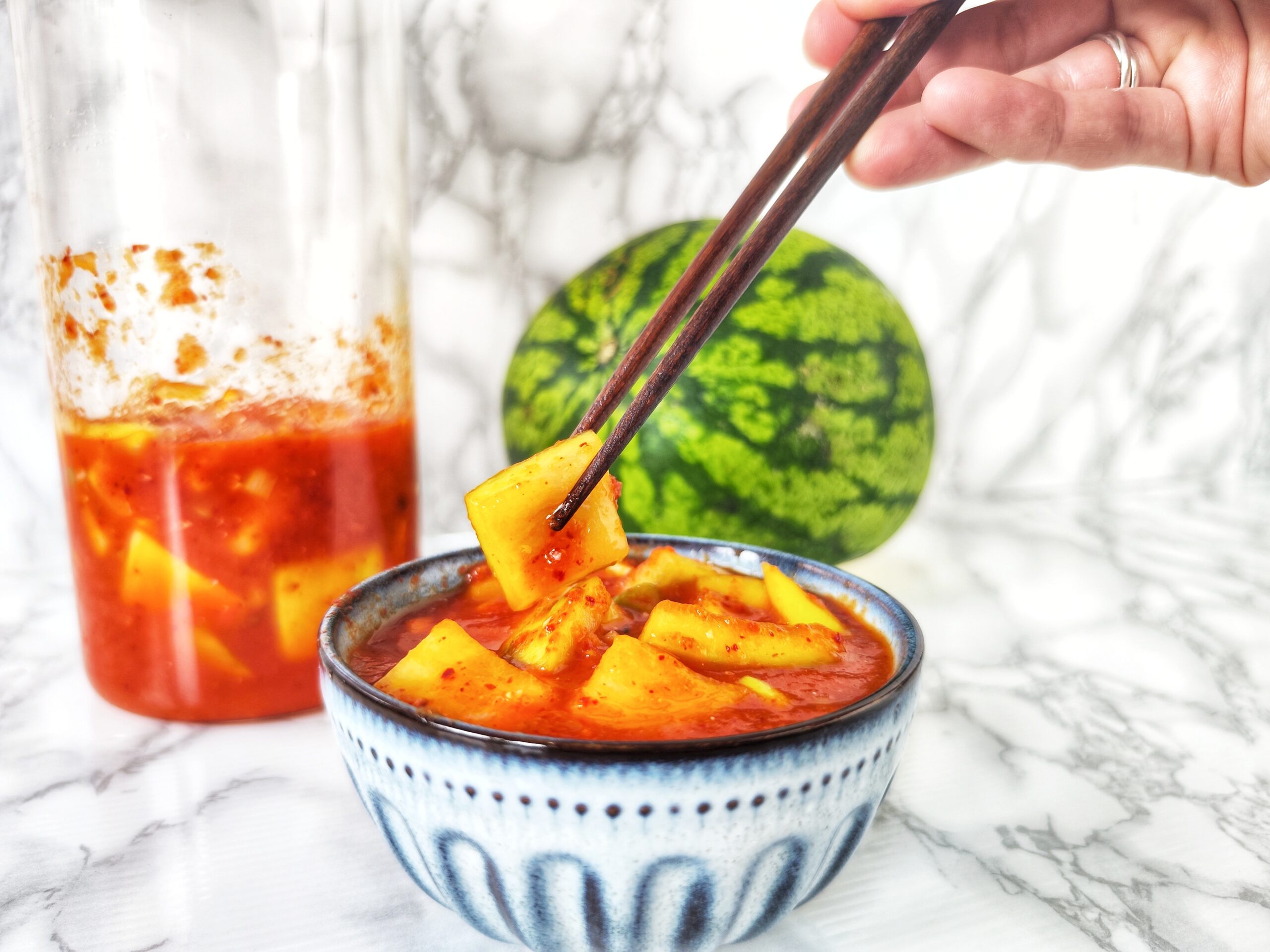
Watermelon, rockmelon, and honeydew are great for snacking, adding to fruit salads, or blending into smoothies and icy drinks. To keep whole melons fresh, store them at room temperature until ripe, then move them to the fridge. Once cut, wrap or store pieces in an airtight container in the fridge and use within a few days. If you have more than you can eat, melon can be cubed and frozen for smoothies, sorbets, or as a refreshing snack straight from the freezer. Knowing how to pick the right melon is the best way to make sure it doesn’t go to waste. Find all you need to know about that with some recipe inspirations here.
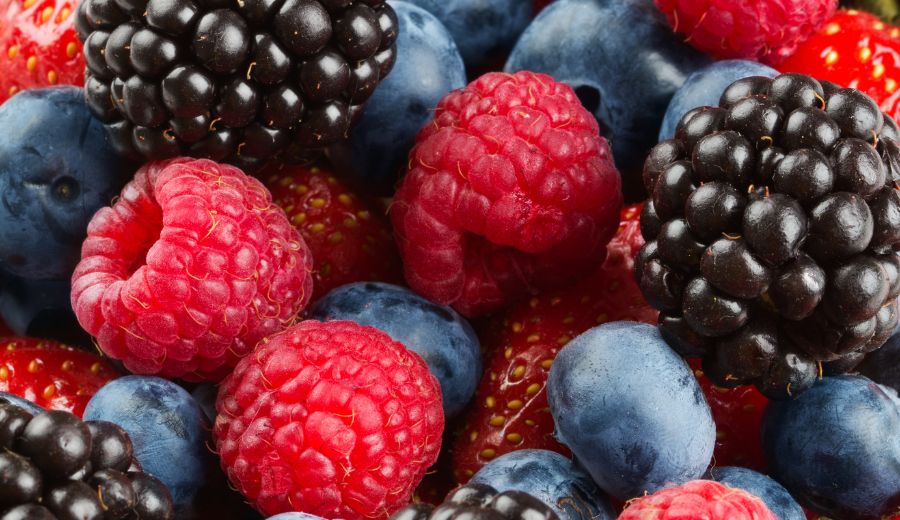
Berries
Summer is the season for fresh berries, and it is important to know how to keep them fresh for longer. Did you know that strawberry tops are edible? Make the most of the whole strawberry! Have some fun and make berry roll ups. Berries contain natural thickeners known as pectin perfect for making tasty jams, try this recipe for 1 cup jam.
What to skip?
Fruits that are out of season, like apples, pears, and citrus may still be available but are often imported, more expensive, and less flavourful. If you’re looking for the best value, stick with in-season fruit and consider frozen or canned options when favourites aren’t in season.